
En la búsqueda de la perfección del audio, la reproducción de altas frecuencias es una frontera crítica. Mientras que los woofers manejan el impacto visceral de los graves, los tweeters son responsables del delicado y brillante extremo superior que define claridad, amplitud y realismo espacial. El diseño y la ingeniería de un tweeter no son meras ocurrencias tardías; son una ciencia precisa que dicta directamente la precisión, dispersión y carácter general del sonido por encima de aproximadamente 2000 Hz. Este análisis profundo explora los elementos de diseño centrales de los tweeters y cómo moldean fundamentalmente la reproducción de audio de alta frecuencia.
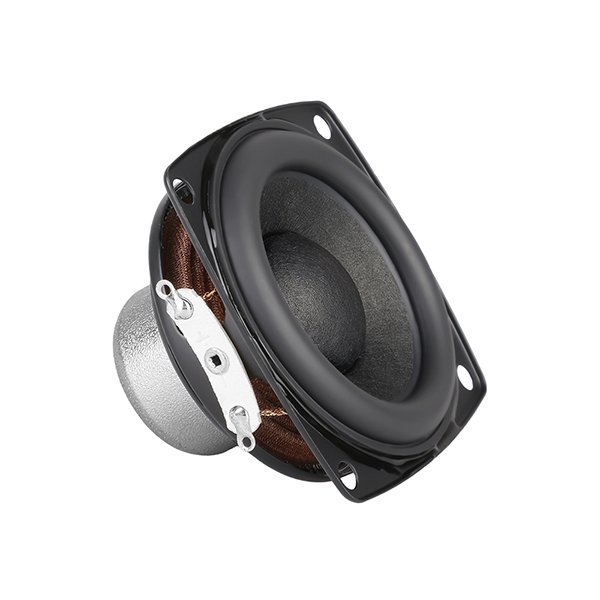
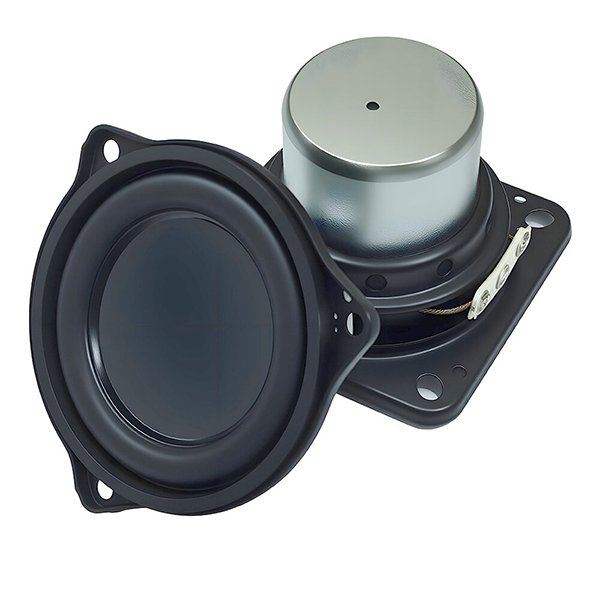
El transductor central: materiales del domo y su firma sonora
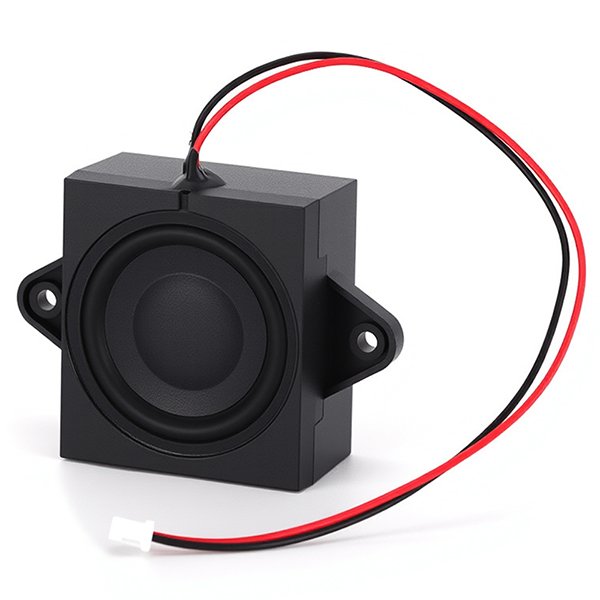
El corazón de cualquier tweeter es su diafragma o domo, el componente que mueve físicamente el aire para crear sonido. El material elegido para este domo es quizás la decisión de diseño más trascendental, ya que influye directamente en la respuesta de frecuencia, la distorsión y el color tonal.
Tweeters de domo blando (textil, seda, poliimida): Tradicionalmente populares, los domos blandos son conocidos por una respuesta de alta frecuencia suave, detallada y a menudo “indulgente”. Materiales como los compuestos de seda amortiguan eficazmente las resonancias inherentes, lo que conduce a una baja distorsión. Tienden a atenuarse muy gradualmente, evitando la aspereza o la “sibilancia”, lo que los convierte en los favoritos para sesiones de escucha prolongadas. Sin embargo, a veces pueden carecer del “brillo” definitivo y del “golpe” dinámico de los materiales más duros, y su salida máxima (SPL) antes de la ruptura es generalmente menor.
Tweeters de domo duro (aluminio, titanio, cerámica, berilio): Estos materiales cuentan con relaciones rigidez-peso superiores. Un domo más rígido puede empujar frecuencias más altas con menos deformación, lo que conduce a una recuperación de detalles excepcional, velocidad transitoria y un alcance extendido de alta frecuencia. Por ejemplo, el berilio, aunque costoso, es excepcionalmente ligero y rígido, ofreciendo posiblemente la respuesta más precisa y extendida. La desventaja es que cualquier resonancia en un domo duro puede ser más pronunciada, lo que conlleva una posible aspereza si no se controla meticulosamente mediante diseño o amortiguación. El aluminio y el titanio son comunes, ofreciendo un sonido brillante y analítico.
Materiales compuestos e innovadores: Los avances modernos han llevado a anillos de materiales como SAM (Magnesio Sónicamente Alineado) o diafragmas recubiertos con carbono similar al diamante. Estos buscan combinar los beneficios de los domos blandos y duros (alta rigidez con amortiguación interna) para un sonido neutro, detallado y no fatigante.
Tabla 1: Características comunes de los materiales del domo del tweeter
| Material | Carácter sonoro típico | Fortaleza clave | Posible inconveniente |
| :— | :— | :— | :— |
| Compuesto de seda/textil | Suave, cálido, detallado | Excelente amortiguación, baja distorsión | Extensión limitada en el extremo muy alto |
| Aluminio | Brillante, preciso, analítico | Buena rigidez, alta eficiencia | Puede exhibir picos de resonancia |
| Titanio | Nítido, dinámico, directo | Alta rigidez y durabilidad | Puede ser demasiado brillante en diseños deficientes |
| Berilio | Ultra detallado, rápido, extendido | Rigidez/peso de clase superior | Costo extremadamente alto |
| Cerámica | Neutro, limpio, articulado | Alta rigidez, buena amortiguación | Puede ser quebradizo |
Más allá del domo: guía de ondas, imán y estructura del motor
El domo no funciona de forma aislada. Su rendimiento está dictado por todo el sistema motor y la estructura circundante.
El imán y la bobina de voz: Un potente conjunto de imán de neodimio con un entrehierro magnético simétrico asegura un control preciso sobre el movimiento de la bobina de voz. Esto reduce la distorsión, particularmente la distorsión de intermodulación (IMD), donde el rendimiento de alta frecuencia se degrada bajo una carga simultánea de baja frecuencia. Bobinas de voz más grandes pueden manejar más potencia pero aumentan la masa móvil. La tendencia es hacia bobinas ligeras y de alta temperatura (por ejemplo, aluminio revestido de cobre) para una mejor eficiencia y manejo de potencia.
El papel crítico de las guías de ondas: Una guía de ondas es un deflector o bocina con forma montada alrededor del tweeter. Su función principal es controlar la directividad: cómo se propaga el sonido horizontal y verticalmente. Un domo de tweeter desnudo tiende a concentrar las altas frecuencias (dispersión estrecha), lo que significa que el "punto óptimo" es muy pequeño. Una guía de ondas bien diseñada (como las pioneras de empresas como Genelec y KEF) iguala la dispersión del tweeter con la del controlador de medios, creando un campo sonoro más consistente y una mejor integración. También mejora la eficiencia y puede reducir la difracción del borde del gabinete. La forma, profundidad y material de la guía de ondas son críticos para su rendimiento. Diseño de la placa frontal y el chasis:El diseño de la placa frontal (o “faceplate”) influye en el flujo de aire y la refrigeración alrededor de la bobina de voz. Piezas polares ventiladas o refrigeración por ferrofluido ayudan a gestionar el calor de altos niveles de potencia, evitando la compresión térmica, donde la salida disminuye a medida que el controlador se calienta. Un chasis rígido y no resonante evita que vibraciones no deseadas coloreen el sonido.
Integración y crossover: la mano invisible Un tweeter nunca opera solo. Su integración con el controlador de medios a través del crossover es primordial. La frecuencia y pendiente del crossover (por ejemplo, 12 dB/octava, 24 dB/octava) deben elegirse para proteger al tweeter de frecuencias bajas dañinas mientras se asegura una fusión acústica perfecta. compresión de potenciaSelección del punto de cruce:.
Colocar el punto de cruce demasiado bajo obliga al tweeter a manejar más energía de medios, arriesgando distorsión y sobrecarga. Colocarlo demasiado alto puede exponer irregularidades en la respuesta fuera del eje del controlador de medios. El punto ideal es donde ambos controladores operan bien dentro de sus rangos óptimos de baja distorsión.
Pendiente acústica vs. eléctrica: bien diseñada La pendiente acústica final (cómo se atenúa realmente el sonido) es lo que importa. Los diseños avanzados utilizan topologías de crossover complejas y posicionamiento de controladores (como el controlador coaxial Uni-Q de KEF) para lograr una alineación de fase perfecta y un frente de onda coherente, haciendo la transición entre controladores acústicamente invisible.
Rendimiento medible vs. percepción subjetiva Las herramientas de medición modernas nos permiten cuantificar con precisión el rendimiento del tweeter. Las métricas clave incluyen:.
Respuesta de frecuencia (en eje y fuera del eje): Una respuesta plana en el eje es deseable, pero una atenuación suave y controlada fuera del eje es igualmente importante para una tonalidad realista en una sala.
Distorsión armónica total (THD): Debe ser excepcionalmente baja (<0.5% en la banda de paso del tweeter) en niveles de escucha típicos.
Decaimiento espectral (gráfico de cascada): Muestra qué tan rápido decaen las resonancias. Un gráfico de cascada "limpio" con decaimiento rápido indica buena respuesta transitoria y ausencia de "manchas".
- Impedancia: Revela características eléctricas y puede indicar problemas de resonancia. Sin embargo, el juicio final es subjetivo. Un tweeter que mide perfectamente plano podría ser percibido como apagado por algunos, mientras que otro con un ligero aumento de presencia (alrededor de 10-15 kHz) podría describirse como "más revelador". La acústica de la sala, el equipo asociado y la preferencia del oyente juegan un papel importante.
- Distorsión Armónica Total (THD): El futuro: innovaciones y ciencia de materiales.
- Gráfico de Cascada/Decaimiento Espectral Acumulativo: El diseño de tweeters está en continua evolución. Las fronteras clave incluyen:“
- Impedance Curve: Grafeno y otros nanocompuestos: prometen una rigidez y autoamortiguación sin precedentes.
Controladores impresos:.
The Future: Innovations and Material Science
Tweeter design is continuously evolving. Key frontiers include:
- Materiales avanzados: Graphene and other nano-composites promise unprecedented stiffness and self-damping.
- Printed Drivers: La impresión 3D permite estructuras complejas e integradas de cúpula-guía de ondas con una geometría optimizada que resulta inalcanzable mediante métodos tradicionales.
- Tweeters MEMS (Sistemas Micro-Electro-Mecánicos): Inspirados en la tecnología de audífonos, estos microcontroladores ofrecen un movimiento pistónico potencialmente perfecto, una distorsión extremadamente baja y una dispersión increíblemente amplia.
En última instancia, el diseño del “mejor” tweeter es un acto de equilibrio holístico. Combina las propiedades inherentes del material elegido con un sistema motor refinado, una guía de ondas inteligente y una integración perfecta del sistema. El objetivo sigue siendo el mismo: traducir la señal eléctrica en la reproducción de alta frecuencia más fiel, atractiva y emocionalmente convincente posible.
Preguntas y respuestas profesionales sobre el diseño de tweeters
P1: ¿Por qué algunos tweeters de alta gama utilizan materiales exóticos como el berilio o el diamante?
A: Estos materiales ofrecen la mayor relación posible entre rigidez y peso (conocida como módulo específico). Un diafragma más rígido y ligero se comporta más como un pistón perfecto a frecuencias altas, minimizando la ruptura y la distorsión. Esto resulta en una respuesta transitoria superior, un alcance extendido en altas frecuencias y una resolución de detalles más fina. Por ejemplo, una cúpula de berilio puede ser tanto más delgada como más rígida que una de aluminio, lo que le permite comenzar y detener su movimiento con mayor precisión según la señal de audio.
P2: ¿Qué tan significativa es una guía de ondas y puedo añadir una a un tweeter existente?
A: Una guía de ondas diseñada adecuadamente es muy significativa. Mejora el control de la directividad, aumentando la consistencia en la sala y, a menudo, mejorando la respuesta de potencia. No es una simple mejora “de acoplamiento”. La geometría de la guía de ondas debe coincidir acústicamente con la forma, el tamaño y la dispersión inherente de la cúpula del tweeter específico. Añadir una guía de ondas arbitraria puede degradar gravemente el rendimiento, provocando reflejos, resonancias y anomalías en la respuesta.
P3: ¿Qué significa “ruptura del tweeter” y cómo la mitigan los diseñadores?
A: La ruptura ocurre cuando el diafragma ya no se mueve como un pistón único y unificado. A ciertas frecuencias altas, diferentes partes de la cúpula comienzan a flexionarse y resonar de forma independiente, causando picos y caídas severas en la respuesta de frecuencia y un sonido áspero. Los diseñadores mitigan esto mediante: 1) La elección de materiales más rígidos para desplazar el nodo de ruptura más allá del rango audible, 2) El uso de tratamientos de amortiguación (como recubrimientos en cúpulas blandas), y 3) La implementación de pendientes de cruce pronunciadas para limitar la operación del tweeter a su rango pistónico.
P4: Con el auge del DSP y los altavoces activos, ¿está quedando obsoleto el crossover pasivo en el diseño de tweeters?
A: No está obsoleto, pero su papel está cambiando. En diseños activos con amplificación dedicada por controlador, el DSP permite un filtrado de cruce, una alineación temporal y una corrección del controlador mucho más precisos y complejos que los componentes pasivos. Esto permite a los diseñadores optimizar digitalmente el rendimiento del tweeter, compensando potencialmente algunas limitaciones inherentes. Sin embargo, la calidad fundamental del motor, el diafragma y la guía de ondas del tweeter sigue siendo la base física sobre la que trabaja el DSP. Los mejores resultados provienen de combinar un excelente diseño físico con una sofisticada corrección DSP.