
Cuando ve “8 ohmios” estampado en la parte posterior de un altavoz, es fácil pensar en ello como una especificación simple y estática, una clasificación nominal que garantiza la compatibilidad con su amplificador. Sin embargo, la verdadera historia de la impedancia es mucho más matizada y dinámica. La impedancia de un altavoz no es una resistencia constante como la de una bombilla; es una oposición compleja y dependiente de la frecuencia a la corriente eléctrica proporcionada por el amplificador. Dentro del marco de una clasificación nominal de 8 ohmios, un diseño que incorpora una impedancia promedio o mínima más alta puede ofrecer beneficios profundos. Estas ventajas van desde un mayor control y eficiencia del amplificador hasta una longevidad mejorada y pureza de sonido, a menudo marcando la diferencia entre un buen altavoz y un transductor verdaderamente refinado y de alto rendimiento.
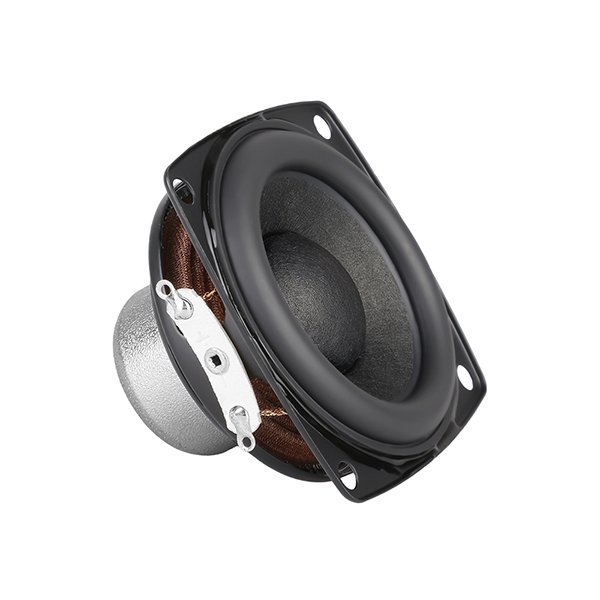
Este artículo profundiza en la ingeniería eléctrica y acústica detrás de la mayor impedancia en sistemas de altavoces de 8 ohmios. Iremos más allá de las especificaciones básicas para explorar cómo esta filosofía de diseño impacta el factor de amortiguamiento, la gestión térmica, la sinergia con el amplificador y, en última instancia, la experiencia auditiva tanto en audio doméstico de alta fidelidad como en aplicaciones profesionales exigentes.
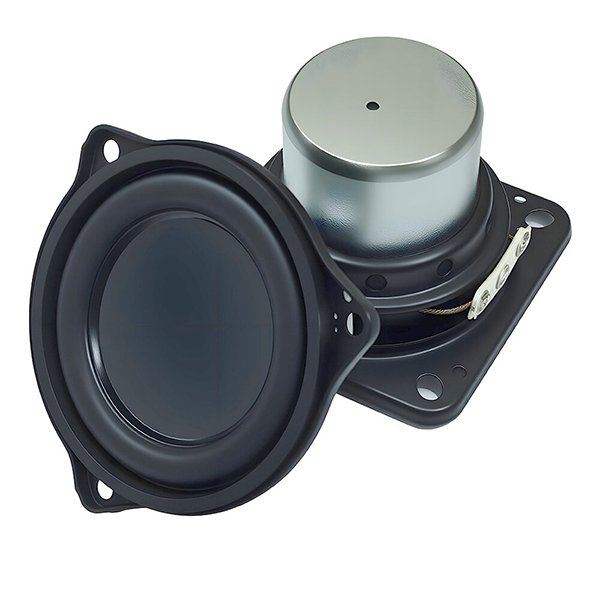
La ventaja fundamental: factor de amortiguamiento mejorado y control del amplificador
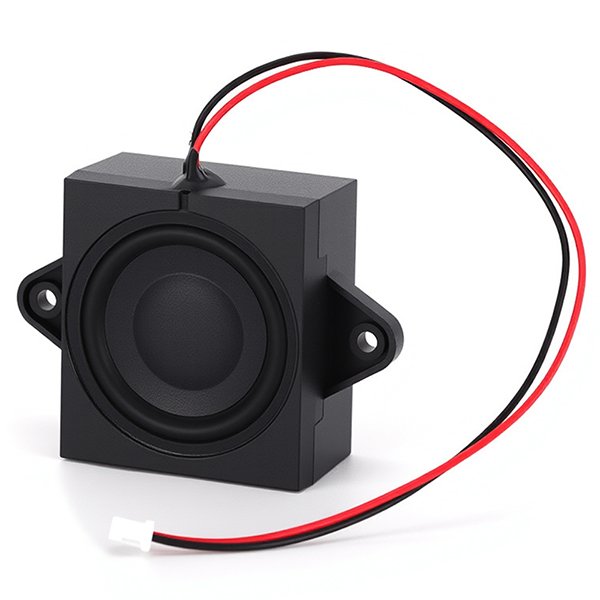
En el corazón del beneficio de la alta impedancia se encuentra el concepto de factor de amortiguamiento (DF). El factor de amortiguamiento es una medida de la capacidad de un amplificador para controlar, o “frenar”, el movimiento del controlador de un altavoz, especialmente una vez que la señal se ha detenido. Se calcula como la impedancia de carga (el altavoz) dividida por la impedancia de salida del propio amplificador.
DF = Impedancia del altavoz / Impedancia de salida del amplificador
Una impedancia de altavoz más alta conduce directamente a un factor de amortiguamiento más alto, asumiendo que la impedancia de salida del amplificador permanece baja y estable. Por ejemplo, considere dos altavoces nominales de 8 ohmios donde el “Altavoz A” tiene una caída de impedancia mínima de 3,2 ohmios a 120 Hz, mientras que el “Altavoz B” está diseñado con una impedancia mínima más alta de 6,4 ohmios a la misma frecuencia. Emparejados con un amplificador que tiene una impedancia de salida de 0,1 ohmios, el factor de amortiguamiento en esa frecuencia crítica sería:
- Altavoz A: DF = 3,2 / 0,1 = 32
- Altavoz B: DF = 6,4 / 0,1 = 64
Esta duplicación del factor de amortiguamiento para el Altavoz B le da al amplificador un control significativamente mayor sobre el movimiento del woofer. El resultado acústico práctico es una reproducción de graves más ajustada y articulada. Las resonancias no deseadas del cono y la prolongación se reducen, lo que lleva a transitorios más limpios: el ataque agudo de un bombo o el punteo preciso de la cuerda de un contrabajo. En contraste, un factor de amortiguamiento bajo puede resultar en graves “retumbantes”, “embarrados” o de “una sola nota”, ya que el controlador oscila más libremente bajo su propia inercia mecánica.
Además, un altavoz con una curva de impedancia generalmente más alta y plana es menos estresante para los circuitos de retroalimentación del amplificador, lo que le permite operar de manera más lineal y con menor distorsión. Esta sinergia crea una base de claridad y precisión que beneficia a todo el espectro de frecuencias.
Eficiencia térmica y manejo de potencia: el camino más frío hacia un mayor SPL
Uno de los beneficios más subestimados de un diseño de mayor impedancia radica en la gestión térmica. En un controlador de altavoz, la bobina móvil es el motor que convierte la energía eléctrica en movimiento y, inevitablemente, en calor. Una parte significativa de la potencia eléctrica del amplificador se disipa como calor en la bobina móvil, no como sonido.
La Ley de Ohm (P = I² R) revela la relación crítica. La potencia (P, calor) generada en la bobina móvil es proporcional al cuadrado de la corriente (I) que fluye a través de ella, multiplicada por su resistencia (R). Un altavoz que presenta una impedancia más alta consume menos corriente del amplificador para un voltaje dado. Este flujo de corriente reducido resulta en un calor exponencialmente menor generado en la bobina móvil para la misma potencia de entrada*.
Examinemos la distribución de potencia en una comparación simplificada, asumiendo dos altavoces con diferentes características de impedancia que reciben 50 vatios de un amplificador estable:
| Parámetro | Diseño típico de “baja Z” de 8 ohmios (mín. 3,2 Ω) | “Diseño de ”alta Z" de 8 ohmios (mín. 6,4 Ω) | Beneficio para el diseño de alta Z |
|---|---|---|---|
| Voltaje de salida del amplificador (Vrms) | ~12,65 V | ~12,65 V | Mismo |
| Consumo de corriente (A) | ~3,95 A | ~1,98 A | ~50% menos de corriente |
| Calor en la bobina móvil (P = I²R) | Mayor | Significativamente menor | Mejor gestión térmica |
| Salida acústica resultante | Puede comprimirse antes | Salida sostenida, menos compresión de potencia | Mayor margen dinámico |
Esta ventaja térmica se traduce directamente en rendimiento. Con una bobina móvil más fría, el altavoz exhibe menos compresión de potencia. compresión de potencia.
. La compresión de potencia ocurre cuando un controlador se calienta, su resistencia aumenta y su eficiencia disminuye, lo que significa que obtiene menos salida de sonido por cada vatio adicional de entrada. Un diseño de alta impedancia mitiga este efecto, permitiendo que el altavoz mantenga su nivel de salida acústica e integridad dinámica durante pasajes musicales complejos y de alto volumen. También contribuye a la fiabilidad a largo plazo, ya que el calor excesivo es la causa principal de la degradación y fallo de la bobina móvil.
Sinergia con el amplificador, estabilidad y compatibilidad en el mundo real.
El panorama del audio moderno presenta una amplia gama de tecnologías de amplificación, desde diseños tradicionales de Clase AB de alta corriente hasta amplificadores compactos de Clase D y amplificadores digitales innovadores. Un altavoz con una carga de impedancia benigna y más alta es inherentemente más compatible y tolerante en este espectro. 1. Amplificadores de estado sólido:.
Aunque muchos amplificadores de estado sólido modernos están clasificados para manejar impedancias bajas (4 ohmios, incluso 2 ohmios), lo hacen suministrando alta corriente. Esta operación de alta corriente empuja al amplificador a un régimen menos eficiente y de mayor estrés, generando más calor en sus propias etapas de salida y potencialmente activando circuitos de protección durante pasajes exigentes. Un altavoz de alta impedancia permite que el amplificador suministre potencia principalmente a través de un voltaje más alto y una corriente más baja, funcionando más frío, de manera más eficiente y con menor distorsión. Esto es particularmente beneficioso para receptores AV multicanal que manejan varios altavoces simultáneamente. 2. Amplificadores de válvulas:.
Los amplificadores de válvulas (tubos) tienen una afinidad especial por las cargas de mayor impedancia. Típicamente utilizan transformadores de salida para adaptar su operación de alto voltaje y baja corriente al altavoz. Un altavoz de 8 ohmios con una curva de impedancia alta y estable proporciona una adaptación óptima para la toma de salida designada del amplificador. Esto asegura la máxima transferencia de potencia, minimiza las anomalías en la respuesta de frecuencia causadas por la impedancia reflejada y permite que el amplificador de válvulas entregue su firma sonora característica con un esfuerzo mínimo. 3. Cables de altavoz largos:.
Aplicación en Audio Profesional y Diseños de Alta Gama
Los principios del diseño de alta impedancia no se limitan al hi-fi doméstico; son de vital importancia en el audio profesional y en productos emblemáticos para el consumidor.
Monitoreo de Estudio: La precisión es primordial en los estudios de grabación y mezcla. Los monitores de estudio diseñados con una impedancia controlada y más alta permiten un rendimiento consistente con diversos equipos externos y salidas de interfaz. Los ingenieros confían en monitores que no coloreen el sonido ni pierdan definición durante sesiones de escucha largas y críticas, una exigencia que se satisface mediante un diseño térmico y eléctrico robusto en el que la alta impedancia juega un papel clave.
Sistemas Hi-Fi y AV de Gran Formato: Los altavoces de suelo de alta gama y los sofisticados sistemas de cine en casa suelen emplear redes de cruce complejas con múltiples controladores. Los diseñadores pueden crear redes que resulten en una impedancia más estable, evitando caídas profundas y difíciles. Esto garantiza que, incluso con bi-cableado o bi-amplificación, cada etapa del amplificador vea una carga manejable, preservando la calidad del sonido y la estabilidad del sistema.
Sistemas de Voltaje Constante (70V/100V): Aunque se trata de una aplicación diferente, el concepto central de usar alta impedancia para minimizar la corriente y las pérdidas en largas distancias es la base de los sistemas de sonido comerciales. Demuestra la eficiencia fundamental y la ventaja práctica de la operación de alta impedancia para el audio distribuido.
En esencia, un altavoz nominalmente clasificado a 8 ohmios pero diseñado con una impedancia alta y estable es una marca de ingeniería reflexiva. Prioriza la sinergia del sistema, la eficiencia eléctrica y la fiabilidad a largo plazo, creando una base transparente y estable para la reproducción musical. Es una elección que beneficia al amplificador, al propio altavoz y, lo más importante, a la experiencia del oyente.
Preguntas y Respuestas Profesionales: Alta Impedancia en el Diseño de Altavoces
P1: ¿Una impedancia más alta en un altavoz de 8 ohmios significa que será más silencioso con mi amplificador?
A: No necesariamente. La sensibilidad (medida en dB a 1 metro con una entrada de 2.83V) es la métrica clave para el volumen. 2.83 voltios a través de una carga de 8 ohmios equivalen a 1 vatio. Un altavoz de alta sensibilidad y alta impedancia puede ser muy ruidoso con una corriente mínima. Su amplificador producirá su potencia nominal a una impedancia más alta con menos esfuerzo, pero la sensibilidad del altavoz determina el nivel de presión sonora final. Muchos diseños de alta impedancia son altamente eficientes, lo que los hace ideales para amplificadores de menor potencia, como los amplificadores de válvulas de un solo extremo.
P2: ¿Existen desventajas en que un altavoz tenga una alta impedancia?
A: La principal “desventaja” es una cuestión de dinámica de mercado, no de rendimiento. Diseñar un altavoz para alta sensibilidad y una impedancia estable y alta a menudo requiere imanes más grandes y costosos, así como componentes de cruce más sofisticados. Esto puede aumentar el costo y el tamaño físico. No hay ningún inconveniente sonoro inherente; de hecho, los beneficios de control y gestión térmica son abrumadoramente positivos. El desafío radica en lograr una respuesta de frecuencia amplia y plana simultáneamente con estos objetivos eléctricos.
P3: ¿Cómo puedo saber si mi altavoz “de 8 ohmios” tiene un diseño de impedancia alta o baja?
A: La clasificación nominal por sí sola no cuenta la historia. Es necesario examinar la curva de impedancia, curva de impedancia del altavoz, que a menudo se encuentra en documentos técnicos detallados o mediciones de publicaciones de audio de buena reputación. Busque dos cosas: 1) El valor de impedancia mínima . Un diseño con un mínimo por encima de 5-6 ohmios generalmente se considera benigno y de “alta Z” para un altavoz nominal de 8 ohmios. 2) La forma de la curva. Una curva más plana con menos caídas severas indica una carga más estable que es más fácil de manejar para los amplificadores.
P4: ¿Los amplificadores modernos de Clase D disminuyen los beneficios de los altavoces de alta impedancia?
A: Si bien los amplificadores modernos de Clase D son excepcionalmente eficientes y pueden suministrar alta corriente, los beneficios eléctricos y acústicos fundamentales permanecen. Aún se benefician de un factor de amortiguamiento más alto para un control superior de los graves. Además, las ventajas térmicas para el propio altavoz (menor compresión de potencia y mayor fiabilidad) son completamente independientes de la tecnología del amplificador. Un altavoz de alta impedancia permite que cualquier amplificador, incluido el Clase D, opere en su región más eficiente y lineal.
P5: Para mi próxima compra de altavoces, ¿debería priorizar la impedancia sobre otras especificaciones?
A: La impedancia debe considerarse como un indicador clave de la filosofía de diseño y la compatibilidad del sistema, no de forma aislada. Úsela como una lente para comprender las prioridades de ingeniería. Un altavoz con una impedancia estable y alta sugiere un diseño centrado en la sinergia con el amplificador, el control y la baja distorsión. Siempre coteje esto con mediciones de respuesta en frecuencia, sensibilidad y, lo más importante, pruebas de escucha dentro del contexto de su sistema. Es una señal positiva y sólida en una evaluación integral.