
The pursuit of perfect sound in small speaker design—from premium headphones and portable Bluetooth speakers to micro soundbars and studio monitors—is fundamentally a battle of materials. At the heart of this battle lies the speaker cone, or diaphragm, the critical component responsible for pushing air to create sound waves. The choice of cone material directly shapes a speaker’s sonic signature, durability, and application. For decades, paper has been the traditionalist’s choice, revered for its natural acoustic properties. In contrast, Mylar (a brand name for Polyethylene Terephthalate, or PET film) represents a modern synthetic approach, prized for its consistency and resilience. This in-depth analysis explores the technical nuances, performance trade-offs, and ideal applications of Mylar and paper cones in contemporary small speaker manufacturing.
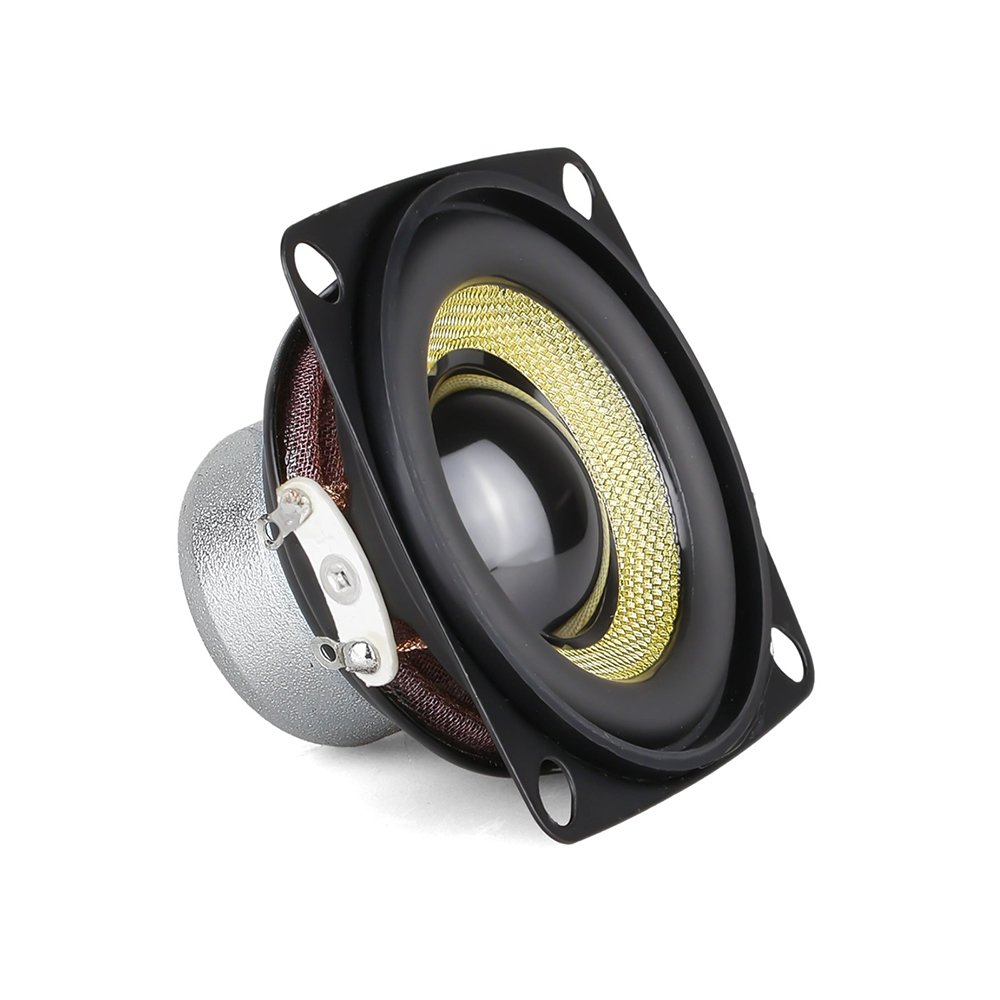
Material Properties and Acoustic Fundamentals
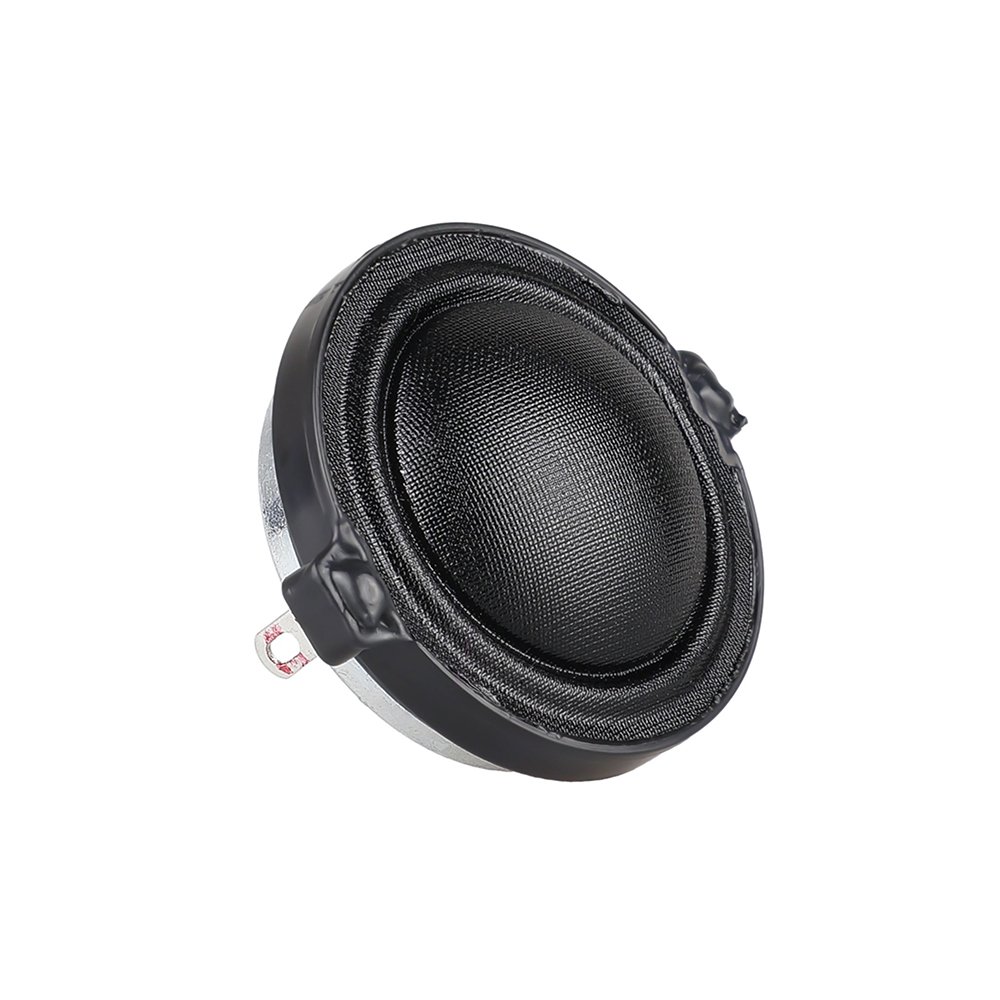
To understand how these materials behave, we must first examine their inherent physical and acoustic properties.
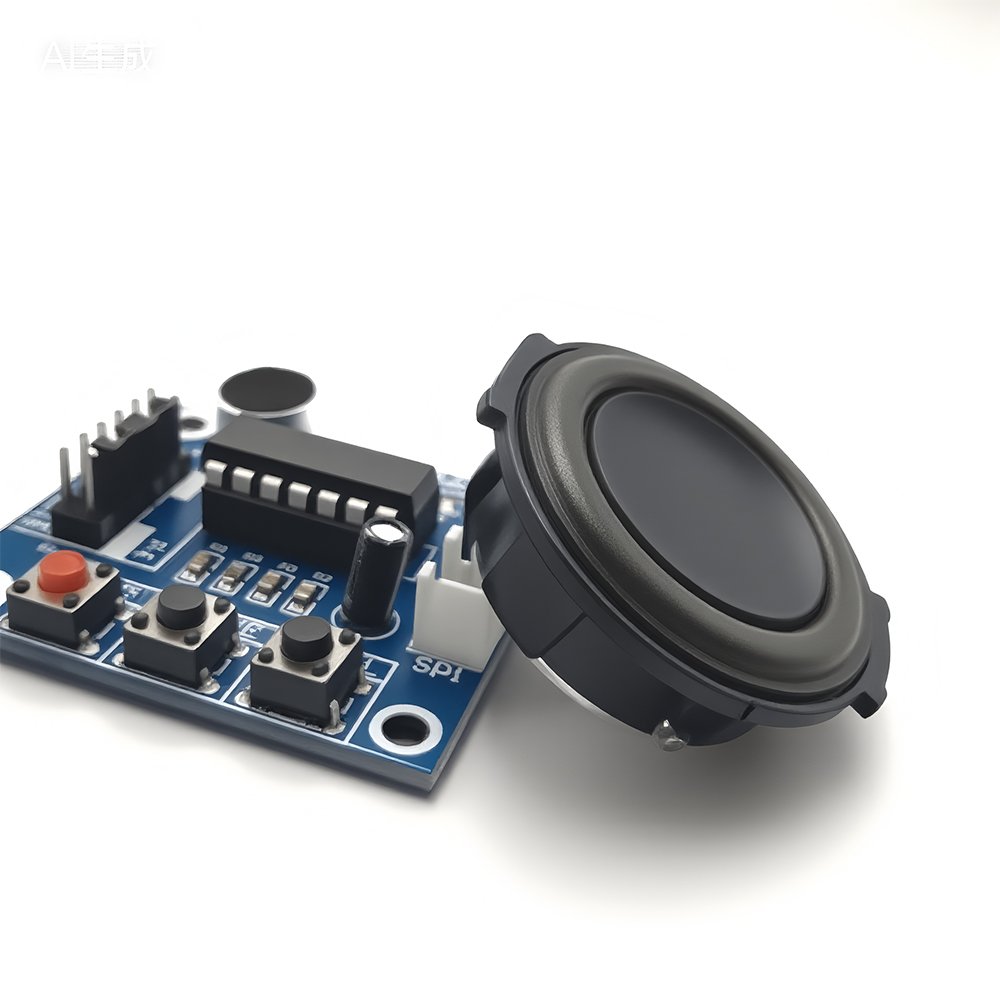
Paper Cones: Typically crafted from a blend of wood pulp, fibers, and binding agents, paper cones are a composite material. Their manufacturing can include treatments with resins or coatings to improve moisture resistance and rigidity. The key acoustic advantage of paper is its internal damping. Paper naturally absorbs and dissipates vibrational energy quickly, which results in a smooth, natural frequency response with minimal “ringing” or resonance after the signal stops. This often translates to a warm, well-balanced tonal character. However, paper is highly sensitive to environmental factors like humidity and temperature, which can alter its mass and stiffness, affecting performance. Consistency in mass and geometry can also be a challenge across high-volume production runs.
Mylar (PET) Cones: Mylar is a form of biaxially-oriented PET film—a lightweight, strong, and highly consistent synthetic polymer. Its primary strengths are high tensile strength, low mass, and exceptional environmental stability. It does not absorb moisture and is impervious to most climate-induced changes. In acoustic terms, Mylar tends to have lower internal damping than treated paper. This can lead to sharper, more detailed transient responses (the “attack” of a sound) but may also allow for narrower, sharper resonance peaks if not properly controlled in the design. Its low mass is excellent for high-frequency extension and efficiency.
Table 1: Fundamental Properties of Paper vs. Mylar Cone Materials
| Property | Paper Cone | Mylar (PET) Cone |
| :— | :— | :— |
| Primary Composition | Wood pulp/fiber composite | Biaxially-oriented Polyester Film |
| Internal Damping | High (Natural, varies with treatment) | Low to Medium (Requires additive treatments) |
| Environmental Stability | Low (Sensitive to humidity/temp) | Very High (Humidity and temperature invariant) |
| Mass Consistency | Moderate (Can vary batch-to-batch) | Excellent (High manufacturing precision) |
| Tensile Strength | Moderate | Very High |
| Typical Cost (Raw Material) | Lower | Slightly Higher |
Performance Analysis: Frequency Response, Distortion, and Durability
The theoretical properties of these materials manifest in measurable and audible performance differences.
Frequency Response and Tonality: A paper cone’s high damping typically yields a smoother roll-off at the high-frequency limits. This can reduce harshness or “sibilance,” contributing to the classic “warm” audio signature many audiophiles associate with vintage or high-end speakers. Its performance is often less peaky in the upper midrange. Conversely, a well-designed Mylar cone can achieve exceptional high-frequency extension due to its low mass and rigidity, offering detailed and “crisp” treble. However, without careful engineering—using specific shapes, coatings, or corrugations—the lower damping can sometimes introduce colorations or resonances in the midrange.
Distortion and Transient Response: Transient response refers to a driver’s ability to start and stop moving instantly with the audio signal. Mylar’s stiffness and low mass often give it an edge here, resulting in fast, precise transients that are desirable for percussive sounds and complex musical passages. Paper, while still capable of excellent performance, may have a slightly slower, more “rounded” transient character, which some listeners perceive as more natural or less fatiguing. In terms of harmonic distortion, both materials can achieve very low levels when incorporated into a well-designed motor system (magnet, voice coil, and suspension).
Durability and Longevity: This is a clear differentiator. Mylar is virtually indestructible in normal operating environments. It won’t degrade with age, humidity, or temperature swings, making it ideal for portable speakers, automotive audio, and any application subject to varying climates. Paper cones can degrade over time, especially if untreated. They are susceptible to mold, warping from moisture, and even material fatigue. High-quality treated papers mitigate these issues but rarely match the absolute robustness of a polymer film.
Application in Modern Small Speaker Design
The choice between Mylar and paper is rarely about which is universally “better”; it’s about which is better for the specific application.
Paper Cones are predominantly found in:
- High-Fidelity Home Audio: Bookshelf and tower speakers where sound quality in a controlled environment is paramount.
- Studio Monitoring: Certain classic monitor designs rely on paper cones for their trusted, uncolored midrange reference.
- Audiophile-Grade Headphones: Where nuanced, natural timbre is critical.
Mylar Cones dominate in:
- Portable & Bluetooth Speakers: Their resistance to humidity, heat, and physical shock is non-negotiable.
- Automotive Speakers: Must withstand extreme temperature cycles and humidity.
- True Wireless Stereo (TWS) Earbuds & Micro-speakers: The ultra-low mass and strength allow for powerful sound from minuscule drivers.
- PA and Commercial Speakers: Where reliability and consistency over time and across units are key.
A significant trend in 2024 is the use of advanced composites and hybrids. Manufacturers are blending materials (e.g., paper pulp with Kevlar or carbon fiber strands, or coating Mylar with specific damping gels) to create cones that attempt to capture the benefits of both worlds: the natural damping of paper and the strength, consistency, and low mass of synthetics.
Market Trends and Manufacturing Considerations
From a manufacturing perspective, the choice impacts cost, scalability, and sustainability.
Production Scalability and Cost: Mylar film cones can be mass-produced with injection molding or precision stamping with extremely high consistency and minimal waste. This aligns perfectly with the high-volume, automated production of consumer electronics. Paper cone manufacturing, while also scalable, often involves more variables in the pulp mixture and forming process, potentially leading to slightly higher unit-to-unit variance that requires tighter quality control. Raw material costs for basic paper are lower, but achieving high-performance, treated paper can narrow that gap.
Sustainability: This is an increasingly important factor. Traditional paper cones from sourced pulp raise questions about sustainable forestry. Some manufacturers now use recycled materials or cellulose from alternative sources. Mylar/PET is a plastic derived from petrochemicals, posing challenges for end-of-life recycling within a complex speaker assembly. The industry is seeing R&D into bio-based polymers and more easily recyclable mono-material designs as of late 2023.
Consumer Perception: Marketing plays a role. “Paper” often carries an aura of traditional, hand-crafted, acoustic purity. “Polymer” or “Composite” suggests modern, durable, and high-tech. Educated consumers are increasingly aware of these material choices and their implications for sound and longevity.
Conclusión
The debate between Mylar and paper cones in small speaker manufacturing is a testament to the complex interplay between physics, material science, and subjective listening pleasure. Paper cones offer a classic, naturally damped sound with a warm tonal balance but require careful engineering to overcome environmental vulnerabilities. Mylar cones provide robust durability, excellent consistency, and detailed high-frequency response, demanding design expertise to manage their resonant characteristics.
For the manufacturer, the decision hinges on the target market, performance priorities, and production realities. For the listener, it ultimately comes down to preference: the organic, textured reproduction often associated with paper, or the precise, resilient performance of advanced polymers. In today’s market, the most exciting developments lie not in choosing one over the other, but in the innovative composite materials and sophisticated engineering that seek to transcend the limitations of both, pushing the boundaries of what small speakers can achieve.
Preguntas y respuestas profesionales
Q1: For a high-end portable Bluetooth speaker designed for both indoor and outdoor use, which cone material would likely be the better engineering choice in 2024, and why?
A: In this application, Mylar or an advanced polymer composite is unequivocally the superior engineering choice. The primary reasons are environmental robustness and consistency. A portable speaker faces humidity, rain splashes, temperature swings from a cold car trunk to a hot patio, and physical jostling. Mylar’s immunity to moisture and dimensional stability ensures the speaker’s performance and reliability won’t degrade under these conditions. Furthermore, modern polymer cones can be treated with damping coatings to tailor their sound, closely matching the acoustic performance of paper while retaining all durability advantages.
Q2: Is the “warmth” of a paper cone something that can be accurately measured, or is it purely subjective?
A: The “warmth” is both measurable and subjective. Objectively, it often correlates with a slightly elevated fundamental bass response, a smooth roll-off in the upper treble (around 12-18kHz), and a specific distortion profile dominated by lower-order even harmonics (2nd, 4th). Measurements will show paper cones generally have higher internal damping, reducing resonant peaks in the midrange (1-5kHz) that can cause “listening fatigue.” Subjectively, this combination of measurements is interpreted by many human ears as “warm,” “natural,” or “smooth,” especially for acoustic instruments and vocals. However, preference for this signature is subjective and varies among listeners.
Q3: What are the latest material innovations challenging both traditional paper and plain Mylar in small speaker cones?
A: The cutting edge as of 2024 focuses on novel composites and sustainable materials:
- Bio-based Polymers: Films made from polylactic acid (PLA) or other renewable sources, aiming for Mylar-like performance with a reduced carbon footprint.
- Nano-Cellulose Composites: Paper cones reinforced with cellulose nanofibers, offering incredible strength-to-weight ratios and stiffness far beyond traditional paper.
- Graphene and Carbon-Nanotube Coatings: Ultra-thin layers applied to Mylar or paper to drastically increase stiffness and improve damping control, enabling lighter, faster cones.
- Multi-Layer Laminates: Combining layers of different materials (e.g., foam core between two Mylar skins) to create cones with exceptionally high damping and stiffness—essentially creating a “material suspension system.”