
En la búsqueda de la perfección acústica, el corazón de cualquier sistema de altavoces de alta fidelidad reside en sus unidades de altavoces. Estos motores electroacústicos —woofers, tweeters y medios— transforman las señales eléctricas en los paisajes sonoros ricos y detallados que definen la experiencia Hi-Fi. Para fabricantes OEM, fabricantes de altavoces a medida y entusiastas del bricolaje ambiciosos, el abastecimiento de las unidades de altavoces adecuadas es un desafío crítico y multifacético que equilibra rendimiento, costo, fiabilidad e innovación. Esta guía completa navega por la compleja cadena de suministro global, proporcionando un marco estratégico para identificar, evaluar y asociarse con los proveedores ideales de unidades de altavoces para sus proyectos Hi-Fi.
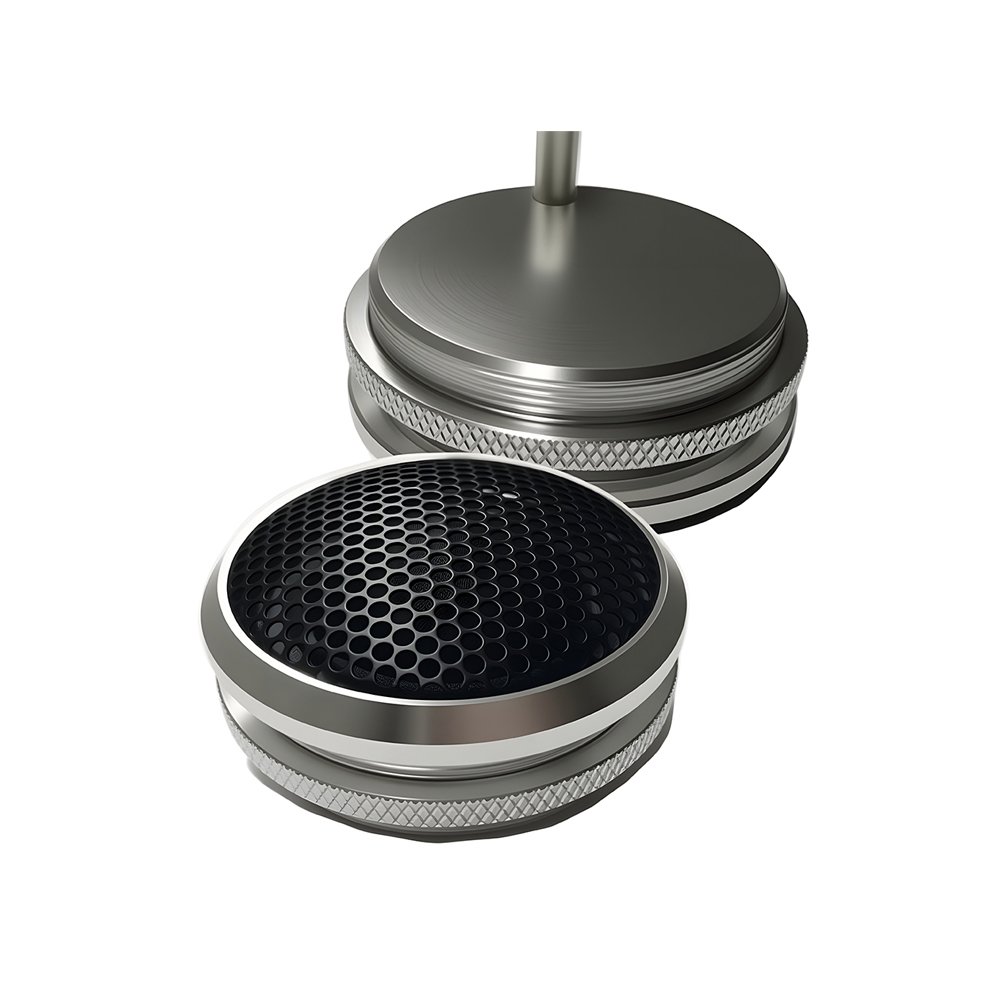
El Panorama Global de la Fabricación de Unidades de Altavoces
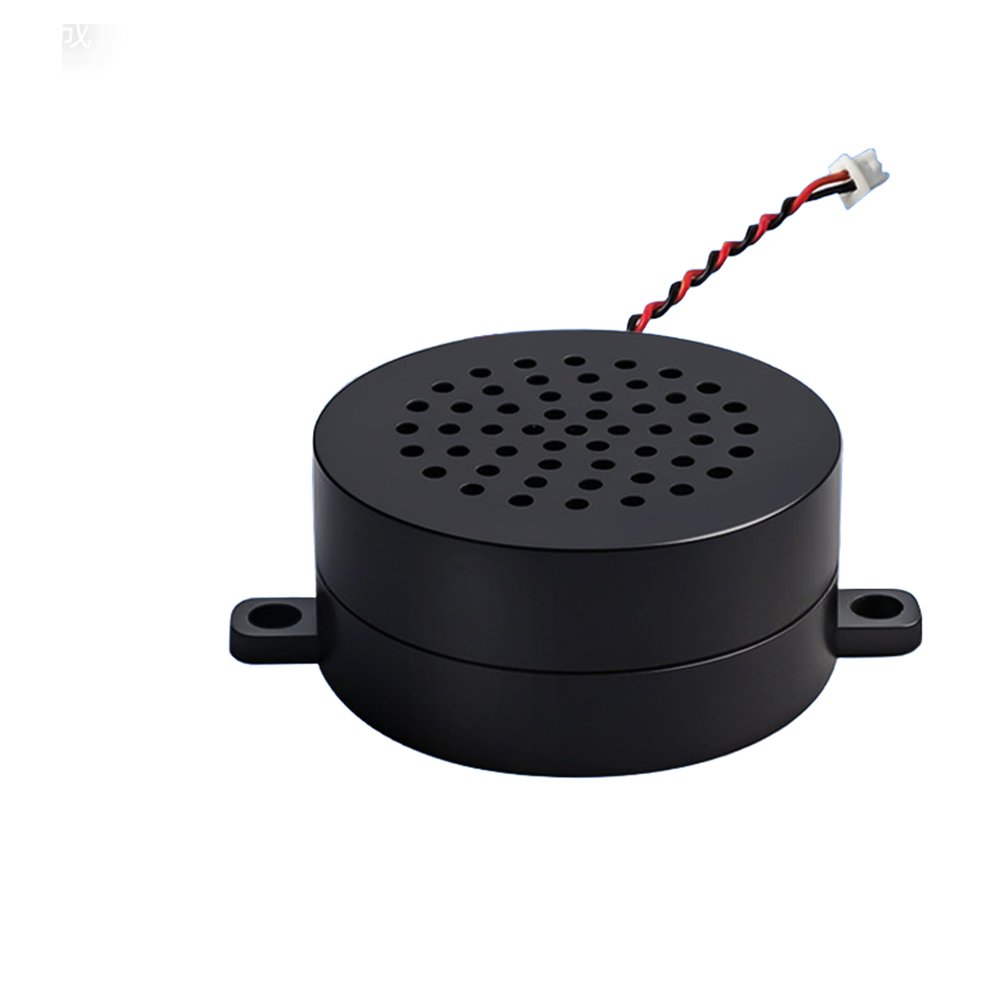
La cadena de suministro de unidades de altavoces es un ecosistema globalizado y estratificado. Comprender esta geografía es el primer paso para un abastecimiento estratégico.
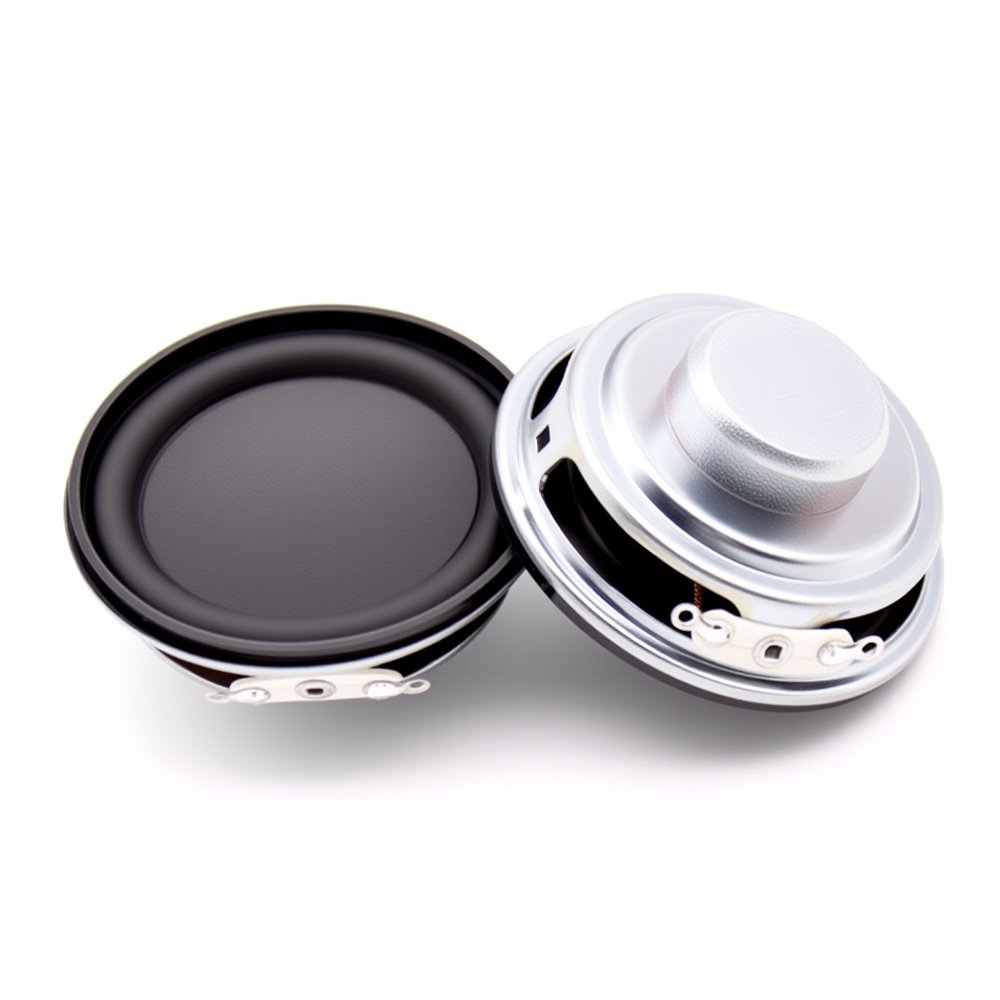
En la cúspide se encuentran las marcas occidentales establecidas (por ejemplo, Scan-Speak (Dinamarca), SEAS (Noruega), Tymphany (que posee Peerless, Vifa y Dayton Audio (EE. UU./China)) y Focal (Francia)). Estas empresas son reconocidas por ser pioneras en materiales avanzados (como diafragmas de berilio, conos de polímero de silicato de magnesio), estructuras de motor innovadoras y por ofrecer unidades excepcionalmente consistentes y de alto rendimiento. Atienden principalmente a mercados de bricolaje de alta gama y marcas de audio de lujo, ofreciendo tanto productos estándar como servicios significativos de personalización (OEM). Sin embargo, esto tiene un precio elevado y, a menudo, plazos de entrega más largos.
La fuerza dominante en la fabricación por volumen es Asia, particularmente China. Regiones como el Delta del Río Perla (Dongguan, Zhongshan) y la provincia de Zhejiang son centros neurálgicos. Este segmento de mercado es increíblemente diverso:
- OEM Asiáticos de Nivel 1: Son fábricas grandes y sofisticadas que a menudo producen unidades para marcas internacionales reconocidas bajo contrato. Poseen capacidades avanzadas de I+D, herramientas internas completas para cestas, imanes y conos, y un riguroso control de calidad. Empresas como Usher Audio (Taiwán) y ciertas fábricas especializadas en Corea del Sur entran en esta categoría.
- Fabricantes por Volumen: Miles de fábricas producen unidades rentables y de buena calidad para los mercados de audio de consumo general, cine en casa y profesional. Destacan en la ingeniería de valor y la consistencia en altos volúmenes.
- Proveedores Asiáticos Boutique/Especialistas: Un segmento creciente de talleres más pequeños en China y Vietnam ahora se centra en replicar o innovar sobre diseños clásicos occidentales, ofreciendo rendimiento de alto valor a la comunidad global de bricolaje a precios accesibles.
Regiones emergentes como Vietnam y Europa del Este están ganando terreno, ofreciendo a menudo una combinación atractiva de costos laborales más bajos que China y una creciente competencia técnica, atrayendo a fabricantes que buscan diversificar su cadena de suministro.
Tabla: Perfil General de Proveedores por Región
| Región/Tipo | Fortalezas Típicas | Consideraciones Típicas | Mejor Para |
| :— | :— | :— | :— |
| Alta Gama Europea | Rendimiento máximo, innovación, prestigio de marca, OEM personalizado | Costo más alto, plazos de entrega más largos, cantidades mínimas de pedido (MOQ) pueden ser altas para trabajos personalizados | Marcas de audio de lujo, bricolaje sin concesiones |
| OEM Asiático de Nivel 1 | Excelente relación tecnología-costo, capacidad de personalización total, escalabilidad | MOQ pueden ser sustanciales, requiere una verificación profunda y comunicación clara | Marcas establecidas escalando producción, buscando diseños personalizados avanzados |
| Volumen Asiático | Eficiencia de costos excepcional, fiabilidad en alto volumen | Menor enfoque en especificaciones de ultra alta gama, personalización limitada | Hi-Fi convencional, marcas centradas en el valor, iniciadores de proyectos |
| Boutique/Especialista | Alto valor, diseños únicos, operaciones ágiles | Calidad variable, fiabilidad de marca menos conocida | Bricolaje entusiasta, marcas de lotes pequeños, creación de prototipos |
Categorías Clave de Proveedores y Cómo Evaluarlas
No todos los proveedores son iguales. Los objetivos de su proyecto determinarán la categoría con la que se relacione.
1. Proveedores para el Mercado de Bricolaje/Estándar: Empresas como Parts Express (Dayton Audio), Madisound, y SoundImports agregan unidades de varios fabricantes globales (incluyendo Tymphany, SEAS, Scan-Speak) para la venta directa. Esto es ideal para prototipos, lotes pequeños o proyectos de bricolaje donde los costos de herramientas son prohibitivos. Criterios de Evaluación: Amplitud del catálogo, calidad del soporte técnico, documentación (parámetros Thiele/Small) y consistencia del inventario.
2. Fábricas OEM/ODM Directas: Relacionarse directamente con una fábrica para diseños personalizados. Esto requiere una inversión significativa en comunicación, colaboración en ingeniería (JAE – Joint Acoustic Engineering) y herramientas. Criterios de Evaluación:
- Capacidad Técnica: ¿Tienen I+D interna, cámaras anecoicas, analizadores Klippel y sistemas de medición láser?
- Competencia de Fabricación: Solicite informes de auditoría de fábrica (como ISO 9001), pregunte por detalles de su proceso de control de calidad (por ejemplo, pruebas al 100% de parámetros clave como Fs, Re y rub/buzz).
- Abastecimiento de Materiales: ¿Pueden obtener componentes especializados (por ejemplo, imanes de neodimio, anillos de cortocircuito de cobre, resinas específicas para diafragmas)?
- Protección de la Propiedad Intelectual (IP): Claramente definidos en los contratos, especialmente crítico para diseños innovadores.
3. Especialistas en Componentes: Algunos proveedores destacan en componentes específicos: Amphenol o JST para conectores, 3M o Dupont para adhesivos, fundiciones especializadas para cestas de aluminio o magnesio fundido. Para piezas críticas, es vital adquirirlas directamente o asegurarse de que su proveedor principal utilice subcomponentes de calidad.
Uso de datos en tiempo real en la evaluación: En 2024, aproveche los datos más allá de las hojas de especificaciones. Utilice plataformas como Panjiva o ImportYeti para analizar el historial de envíos y el volumen de un proveedor. Verifique Hikvision’s plataforma B2B o Alibaba.com’s ‘Pasaporte del Proveedor’ para obtener datos de auditoría y transacciones verificados. En el segundo trimestre de 2024, los costos de envío globales se han estabilizado desde los máximos de la pandemia, pero las tensiones regionales sugieren considerar la volatilidad logística y estrategias de doble abastecimiento.
Criterios críticos de selección técnica y comercial
Más allá de la geografía y el tipo, profundice en estos filtros esenciales:
A. Métricas de rendimiento técnico:
- Parámetros Thiele/Small: La biblia innegociable. La consistencia en Fs, Qts, Vas y BL es fundamental para un diseño de recinto predecible.
- Respuesta en frecuencia y distorsión: Revise gráficos de respuesta verificados en el eje y fuera del eje. Examine los gráficos de distorsión (2.º y 3.º armónico) en toda la banda operativa. Un buen proveedor proporciona datos verificados por Klippel.
- Manejo de potencia y gestión térmica: Busque características de diseño como piezas polares ventiladas, tapas de cobre y bobinas móviles grandes. Las clasificaciones de potencia RMS reales son más valiosas que la potencia máxima musical.
- Calidad de construcción y materiales: ¿Conos de papel, polipropileno, aluminio, fibra de carbono o cerámica? ¿Imanes de ferrita o neodimio? Cada elección de material impacta el carácter sonoro, el peso y el costo.
B. Factores comerciales y operativos:
- Cantidad Mínima de Pedido (MOQ): Puede variar desde 10 unidades para productos estándar hasta 10,000 para un diseño personalizado. Comprenda los precios escalonados.
- Estructura de precios: Precio unitario, costos de utillaje/NRE (Ingeniería no recurrente), términos de pago (p. ej., 30% de depósito, 70% antes del envío).
- Plazo de entrega: Desde 4 semanas para artículos estándar hasta más de 20 semanas para utillajes personalizados nuevos. Nota actual (2024): Los plazos de entrega globales han mejorado, pero considere un margen para el Año Nuevo chino y posibles retrasos logísticos.
- Certificaciones: Las certificaciones de seguridad (CE, RoHS, REACH) y calidad (ISO 9001) relevantes son requisitos básicos.
- Política de muestras: Siempre pruebe muestras de preproducción. Espere pagar por ellas, pero un proveedor de buena reputación acreditará el costo de las muestras contra su primer pedido al por mayor.
Estrategia paso a paso de abastecimiento y negociación
- Especificación interna: Defina sus requisitos técnicos exactos, costo objetivo (costo de la lista de materiales – BOM), pronósticos de volumen anual y tolerancias aceptables. Lista larga:.
- Utilice plataformas B2B (Alibaba, Global Sources), directorios de la industria (Directorio de miembros de AES) y ferias comerciales (IFA, Feria Internacional de Audio de Guangzhou) para crear una lista de 15 a 20 proveedores potenciales. Proceso de RFQ:.
- Envíe una solicitud de cotización detallada y estandarizada. Incluya dibujos técnicos, parámetros T/S objetivo, materiales deseados y solicite términos comerciales completos. Preselección y verificación:.
- Reduzca a 3-5 según las respuestas. Realice reuniones por video, solicite recorridos virtuales de fábrica y pida referencias de clientes occidentales existentes. Narrow to 3-5 based on responses. Conduct video meetings, request virtual factory tours, and ask for references from existing Western clients.
- Evaluación de Muestras: Solicite muestras de sus 2-3 principales proveedores. Realice pruebas internas rigurosas, no solo de escucha. Mida parámetros y evalúe la durabilidad (exposición prolongada a potencia, ciclos climáticos).
- Negociación y Contratación: Negocie el costo total de importación, no solo el precio unitario. Incluya cláusulas clave para: Garantía de Calidad (Niveles de Calidad Aceptable – estándares AQL, por ejemplo, 0.65% para defectos críticos), Garantía (generalmente de 1 a 2 años para defectos de fabricación), y Propiedad Intelectual titularidad.
- Pedido Piloto: Realice una pequeña tirada de producción (por ejemplo, del 5% al 10% de su previsión) antes de comprometerse con el volumen total. Esto prueba la consistencia de su producción y su cadena logística.
Mitigación de Riesgos y Garantía de Éxito a Largo Plazo
- Aseguramiento de la Calidad: Exija informes de inspección previa al envío de un tercero como SGS, Bureau Veritas o Intertek. Planifique auditorías periódicas in situ.
- Resiliencia de la Cadena de Suministro: El panorama post-pandémico y geopolítico hace que el abastecimiento dual de componentes críticos (como los imanes) sea una estrategia inteligente. Considere mantener un stock de seguridad.
- Comunicación y Relación: Construya una relación más allá del departamento de compras. El contacto directo con los líderes de ingeniería previene malentendidos. Utilice un inglés claro y sencillo y confirme todos los detalles por escrito.
- Logística y Aranceles: Considere Incoterms (FOB, EXW, DAP), transporte de carga, derechos de importación (como los aranceles de la Sección 301 de EE. UU. sobre productos de origen chino, que, a partir de 2024, siguen vigentes para muchos componentes de audio) e impuestos locales.
El abastecimiento de drivers de altavoces Hi-Fi es una combinación de ciencia técnica, comercio global y gestión de relaciones. Al navegar metódicamente por el panorama de proveedores, insistir en datos empíricos y construir alianzas basadas en la transparencia y el éxito mutuo, puede asegurar los componentes fundamentales que darán vida a su visión de audio con fidelidad y fiabilidad.
Preguntas y respuestas profesionales
P1: Somos una startup diseñando un altavoz de estantería de alta gama. Queremos un woofer personalizado pero no podemos cumplir con el MOQ de 5000 unidades de la mayoría de las fábricas asiáticas de primer nivel. ¿Cuáles son nuestras mejores opciones?
A: Tiene varias vías viables. Primero, acérquese a talleres boutique más pequeños en Asia que se especializan en unidades de bajo volumen y alto rendimiento; a menudo tienen MOQ en los cientos. Segundo, explore la modificación de una plataforma existente de un proveedor como Tymphany o SEAS; sus divisiones OEM a menudo ofrecen opciones “semi-personalizadas” (por ejemplo, cambiar el recubrimiento del cono, la capa antipolvo o el surround) con un MOQ mucho más bajo que un diseño completamente nuevo. Tercero, considere usar un driver estándar excepcional y diseñar su crossover y acústica de la caja en torno a él; este es un enfoque clásico y respetado en Hi-Fi. La clave es ser transparente con los proveedores potenciales sobre sus proyecciones de crecimiento para encontrar un socio dispuesto a escalar con usted.
P2: ¿Qué tan críticas son las mediciones del Analizador Klippel al evaluar un proveedor, y qué datos específicos debería solicitar?
A: En 2024, el Analizador Klippel es el estándar de oro para la caracterización de transductores y es un fuerte indicador de un proveedor serio. Lleva la evaluación más allá de los parámetros T/S básicos. Debería solicitar:
- Parámetros de Señal Grande (LPM): Esto revela el comportamiento del driver a la potencia de operación real, mostrando componentes de distorsión, compresión de potencia y curvas no lineales de Bl(x) y Kms(x). Esto es crítico para predecir el rendimiento en el mundo real.
- Datos del Analizador de Distorsión (DA): Proporciona mapas detallados de distorsión armónica y de intermodulación en frecuencia y excursión.
- Escaneo del Patrón de Vibración: Visualiza los modos de ruptura en el diafragma.
Solicitar estos datos separa a los proveedores con profunda competencia en ingeniería de aquellos que simplemente ensamblan piezas. Una fábrica con un sistema Klippel puede resolver proactivamente problemas de diseño y garantizar la consistencia del rendimiento.
P3: Con los precios fluctuantes de los imanes de neodimio y las preocupaciones geopolíticas de abastecimiento, ¿qué deberíamos especificar en el diseño de nuestro driver para mitigar el riesgo futuro?
A: Esta es una consideración comercial y de diseño crucial. Tiene algunas estrategias:
- Diseño para la Flexibilidad: Trabaje con su proveedor para desarrollar un driver que pueda funcionar según las especificaciones con ambas Neodimio y Ferrita estructuras de imán. Esto puede implicar ligeros cambios en el bobinado de la bobina móvil o la geometría del entrehierro, pero proporciona un respaldo probado.
- Abastecimiento Dual de Imanes: Especifique que los imanes deben provenir de al menos dos productores certificados (por ejemplo, que no dependan únicamente de una sola región). Algunos proveedores ahora se abastecen de productores emergentes en Vietnam o África.
- Acuerdos de Precios a Largo Plazo: Para proyectos de alto volumen, negocie una fórmula de precios con su proveedor que incluya una cláusula de índice de materias primas para los elementos de tierras raras de los imanes, compartiendo parte del riesgo de volatilidad de costos. En la planificación de costos de su BOM, mantenga un margen de aproximadamente el 15-20% para las fluctuaciones de precios de materias primas críticas durante el ciclo de vida del producto.