
Unmatched Durability and Reliability in Demanding Environments
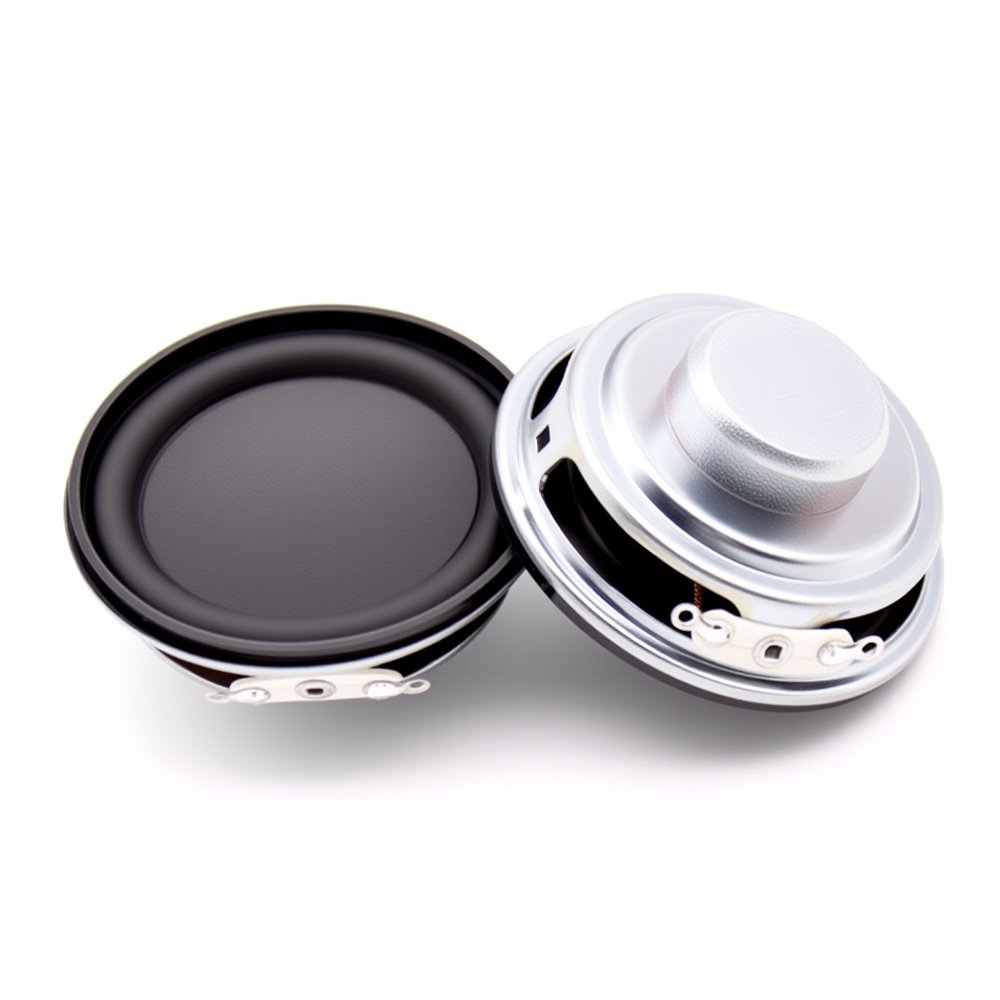
Box speakers, often referred to as loudspeaker enclosures, continue to be the bedrock of professional audio in commercial settings for one fundamental reason: they are built to last. Unlike consumer audio equipment or many contemporary, sleekly designed alternatives, traditional box speakers are engineered with industrial-grade components and ruggedized cabinets that withstand the rigors of 24/7 operation. In environments like airports, convention centers, hotels, and retail stores, audio systems must perform flawlessly for years, often in less-than-ideal conditions involving temperature fluctuations, dust, and constant use.
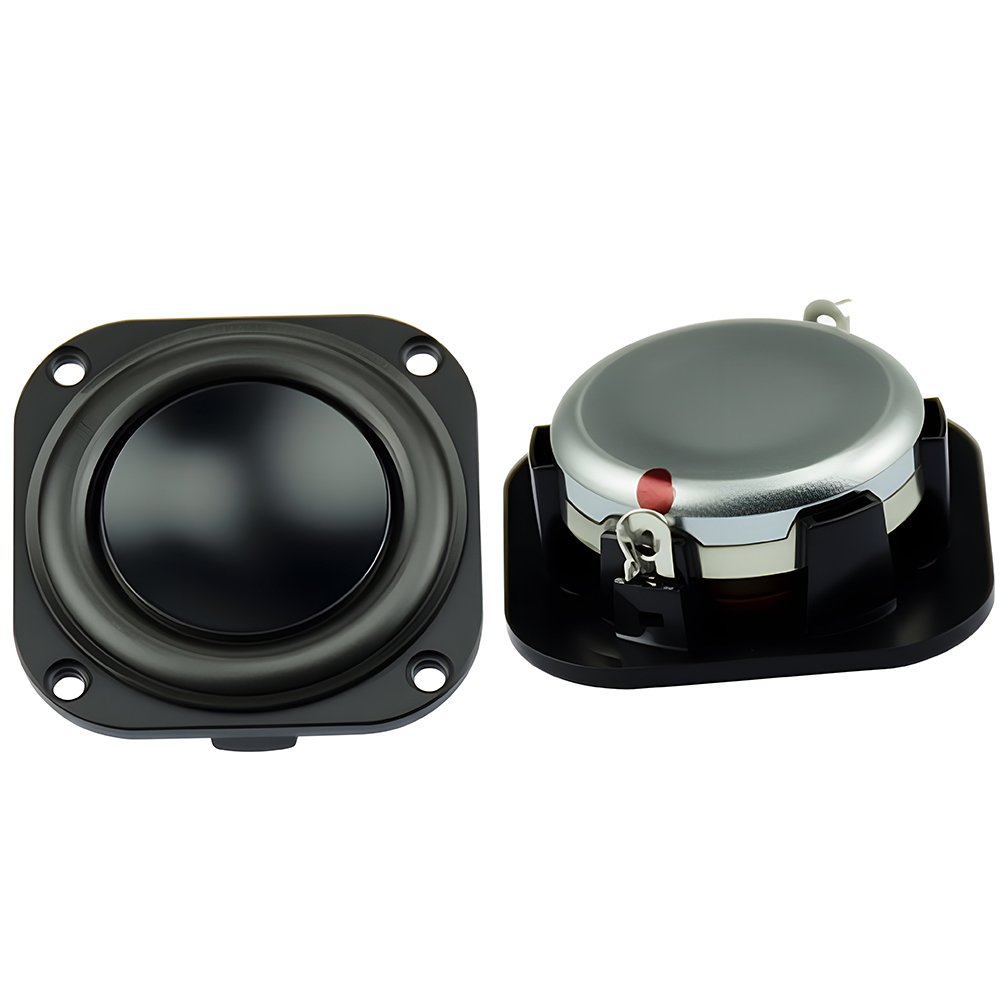
The construction of a quality commercial box speaker involves thick, void-free plywood or composite enclosures with robust bracing to eliminate unwanted resonance and provide a solid foundation for sound projection. Components such as high-temperature voice coils, weather-resistant cones (often treated or made from materials like polypropylene), and sturdy grilles protect the internal workings from physical damage and environmental factors. According to a 2023 market analysis by Futuresource Consulting, the global market for professional audio equipment, where robust install-type speakers dominate, is projected to grow at a CAGR of 4.8% through 2026, driven by sustained demand from the commercial installation sector. This durability translates directly to a lower total cost of ownership (TCO). While the initial investment might be comparable to some alternatives, the extended lifespan and reduced failure rates of box speakers mean fewer replacements and maintenance interventions, a critical factor for facility managers and system integrators.
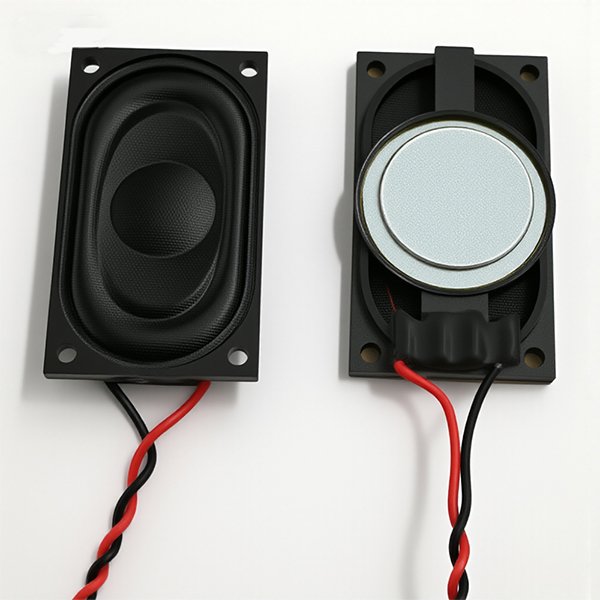
Table: Key Durability Features of Commercial Box Speakers vs. Common Alternatives
| Feature | Commercial Box Speaker | Thin-Profile/Wall-Mounted Speaker | Consumer Bluetooth Speaker |
| :— | :— | :— | :— |
| Primary Cabinet Material | 15-18mm Plywood/MDF with Internal Bracing | Plastic or Thin Composite | Plastic or Lightweight Metal |
| Grille Protection | Heavy-duty steel or powder-coated metal | Perforated fabric or thin plastic | Fabric or minimal metal mesh |
| Driver Durability | High-temp voice coils, treated cones | Standard voice coils, lighter cones | Consumer-grade, not for sustained high output |
| Typical IP Rating | Often IP44 or higher for indoor/outdoor models | Rarely rated (indoor only) | Varies, rarely suited for commercial use |
| Expected Service Life | 10+ years with proper installation | 5-7 years | 2-4 years under commercial load |
Superior Acoustic Performance and Predictable Coverage
The physics of sound reinforcement favors enclosed, properly tuned cabinets. Box speakers allow for precise engineering of acoustic parameters, which is paramount in commercial installations where consistent, intelligible sound coverage is non-negotiable. The enclosure design—whether bass-reflex (ported), sealed, or horn-loaded—allows audio engineers to control low-frequency response, maximize efficiency, and direct sound accurately over designated zones.
This predictability is crucial. When a system integrator designs an audio system for a large hotel lobby or a corporate auditorium, they rely on the manufacturer’s published polar plots (showing sound dispersion) and sensitivity ratings (measuring output per watt) to model the soundfield using software like EASE or AFMG. The standardized shapes and well-documented performance data of box speakers make these calculations reliable. Modern box speakers incorporate advanced technologies such as precision waveguides for controlled high-frequency dispersion and composite driver designs for clearer vocal reproduction, ensuring announcements and background music are delivered with clarity even in acoustically challenging, reverberant spaces. The Audio Engineering Society (AES) consistently publishes research underscoring the importance of controlled directivity in speech intelligibility—a box speaker’s forte—which remains the top priority for paging and emergency notification systems, a legal requirement in most commercial buildings.
Installation Flexibility and System Integration
The very form factor of the box speaker, which some may perceive as a limitation, is its greatest asset in terms of flexibility. These speakers are designed for permanent, secure installation via integrated brackets or rigging points, allowing them to be mounted high on walls or ceilings, flown from trusses, or placed on stages. This versatility ensures they can be positioned optimally for acoustic performance and out of the way of public traffic.
Furthermore, box speakers are the most compatible components in a larger, integrated AV ecosystem. They feature standardized input terminals (like screw terminals or NL4 connectors) that interface seamlessly with commercial amplifiers, DSPs (Digital Signal Processors), and centralized control systems from manufacturers like Q-SYS (QSC), Biamp, or Dante. This ecosystem approach is standard in commercial installations, where audio is just one part of a network that may include lighting, video, and environmental controls. A 2024 report from AVIXA indicates that over 70% of commercial AV projects now involve some level of networked audio, and traditional box speakers with Dante-enabled amplifiers are at the heart of many of these systems. Their passive design (in most cases) separates the amplifier from the speaker, allowing for easy upgrades, centralized amplifier rack management, and the use of robust 70V/100V line systems for distributing audio over long cable runs with multiple speakers—a technology that is almost synonymous with commercial sound and intrinsically linked to box-style form factors.
Cost-Effectiveness and Proven Technology
In the commercial world, “proven” is a powerful term. Box speaker technology is mature, thoroughly understood by installers and engineers worldwide, and represents a lower-risk specification. This familiarity reduces design time, installation complexity, and training costs. The market for these speakers is highly competitive, with established brands like Bose Professional, JBL Professional, and Yamaha offering extensive product lines at various price points, ensuring a solution for almost every budget and performance requirement.
The cost-effectiveness extends beyond the unit price. The simplicity of their design often makes field repairs, such as driver replacement, straightforward and economical compared to replacing an entire proprietary, sealed-unit speaker. For large-scale projects—such as chain restaurants, school districts, or nationwide retail stores—this serviceability and the ability to source reliable, interchangeable components from multiple suppliers are significant logistical and financial advantages. While aesthetically minimalist speakers have their place in executive boardrooms or high-design boutiques, the vast majority of commercial spaces prioritize performance, longevity, and operational cost over making the speaker itself a design statement.
The Evolution Amidst Stability: Embracing Modern Demands
It is a misconception that box speakers are technologically stagnant. Leading manufacturers continuously innovate within this trusted form factor. Today’s commercial box speakers increasingly feature:
- Integrated Amplification & DSP: “Powered” or “active” box speakers with built-in, finely tuned amplifiers and sophisticated DSP for room correction, limiting, and filtering are becoming more common, simplifying installation and optimizing performance.
- Networked Audio Ready: Many are designed as perfect partners for networked audio protocols, easily connecting to digital audio networks via attached amplifiers or onboard electronics.
- Advanced Materials: Developments in driver diaphragm materials (like carbon fiber or coaxial designs) and enclosure composites continue to improve sound quality, efficiency, and weight.
This evolution ensures that the box speaker adapts to modern technical standards while retaining its core strengths. It remains the reliable, high-performance workhorse, now capable of seamlessly joining the digital, networked AV landscape that defines contemporary commercial installations.
Professional Q&A on Commercial Box Speakers
Q: With the rise of architectural and in-wall speakers, aren’t box speakers becoming obsolete for high-end commercial projects?
A: Not at all. While architectural speakers are excellent for spaces where aesthetics are paramount and acoustic demands are moderate (e.g., luxury suites, intimate dining areas), box speakers are specified for areas requiring high output, maximum reliability, and precise coverage control. Large atriums, sports facilities, live performance venues, and any space requiring robust paging will almost always use box speakers or their larger format cousins (line arrays). They are tools chosen for a specific job; one does not replace the other.
Q: How critical is the IP rating for an indoor commercial installation?
A: More critical than often assumed. An IP rating (Ingress Protection) certifies resistance to dust and moisture. In indoor environments like swimming natatoriums, kitchens, warehouses, or even climate-controlled spaces with regular cleaning, moisture and dust are present. An IP-rated speaker (e.g., IP44 or higher) ensures longevity by protecting sensitive components from humidity, spray, and particulate buildup, which can degrade performance and cause failure.
Q: For a large, distributed sound system (e.g., across a hotel), why are 70V/100V systems used with box speakers?
A: Constant-voltage (70V/100V) systems are a cornerstone of commercial audio. They allow multiple box speakers to be connected in parallel on a single, long cable run from an amplifier without concern for impedance mismatches that would damage a standard low-impedance (8-ohm) system. This significantly reduces cable costs and installation complexity. Each speaker on the line has a built-in transformer tap to set its power level (e.g., 2W, 5W, 10W), allowing for easy zoning and volume balancing. This practical, cost-effective technology is a perfect match for the simplicity and robustness of passive box speakers.
Q: What is the single most important specification to look for when selecting a box speaker for voice announcement clarity?
A: While several factors matter, controlled directivity is paramount. Look for speakers with well-designed high-frequency waveguides or horns. The specification sheet should show smooth, consistent polar plots, indicating the speaker directs sound evenly where it’s needed and minimizes spill onto reflective surfaces (like walls and ceilings) that cause reverb and muddle speech. High sensitivity (dB @ 1W/1m) is also key, as it means less amplifier power is needed to achieve high, clear volume levels.