
The global Bluetooth speaker market is booming, projected to reach USD 12.5 billion by 2030, growing at a CAGR of over 10% from 2024. For entrepreneurs and audio enthusiasts, this presents a tangible opportunity to build a beloved brand. Moving from concept to shelf is a multifaceted journey of engineering, design, marketing, and strategic business planning. This guide provides a comprehensive, step-by-step roadmap to launching your own successful Bluetooth speaker brand in today’s competitive landscape.
Market Analysis & Defining Your Niche
Before sketching your first design, you must understand the battlefield. The Bluetooth speaker market is densely populated, from giants like JBL (27% market share in portable audio), Sony, and Bose to disruptive DTC (Direct-to-Consumer) brands like Ultimate Ears (owned by Logitech) Und Tribit.
Successful new entrants don’t compete on volume alone; they dominate a niche. Conduct thorough market research to answer:
- Who is underserved? Are there specific customer pain points (e.g., ultra-ruggedness for industrial workers, hi-fi sound for audiophiles on a budget, sustainable materials for eco-conscious consumers)?
- What are the current price brackets? Where is there white space?
- What are the trending features? Voice assistant integration, multi-speaker pairing (like PartyBoost or Stereo Pairing), waterproof standards (IP67 vs. IPX7), and app-controlled EQ are now often expected.
Actionable Step: Create a competitor matrix. Analyze 5-10 competing products for their price, key features, design language, marketing messaging, and customer review sentiments (scour Amazon, Reddit, specialist forums). This will visually reveal gaps you can exploit.
Table: 2024 Bluetooth Speaker Market Segments & Opportunities
| Market Segment | Price Range | Key Players | Customer Priority | Potential Niche Opportunity |
| :— | :— | :— | :— | :— |
| Budget/Entry-Level | $20 – $50 | Anker Soundcore, DOSS, OontZ | Affordability, Basic Durability | Superior battery life at price point, unique compact design |
| Mid-Range Mainstream | $50 – $150 | JBL Flip/Charge, Ultimate Ears BOOM, Sony XB series | Brand, Balanced Sound, Portability | Focus on pro-grade materials, exceptional microphone clarity for calls |
| Premium/ Audiophile | $150 – $300+ | Bose SoundLink, Marshall, Sonos (Roam) | Sound Quality, Brand Prestige, Design | Hybrid analog/digital tuning, modularity, open-source app control |
| Specialty (Rugged/Outdoor) | $70 – $200 | JBL Extreme, Ultimate Ears MEGABOOM | Extreme Durability, Loudness, Battery | Integrated power bank for devices, solar charging, adventure-specific mounts |
Product Development: From Concept to Prototype
This is the core of your venture. A great brand is built on a great product.
Define Specifications & Features: Based on your niche, decide on:
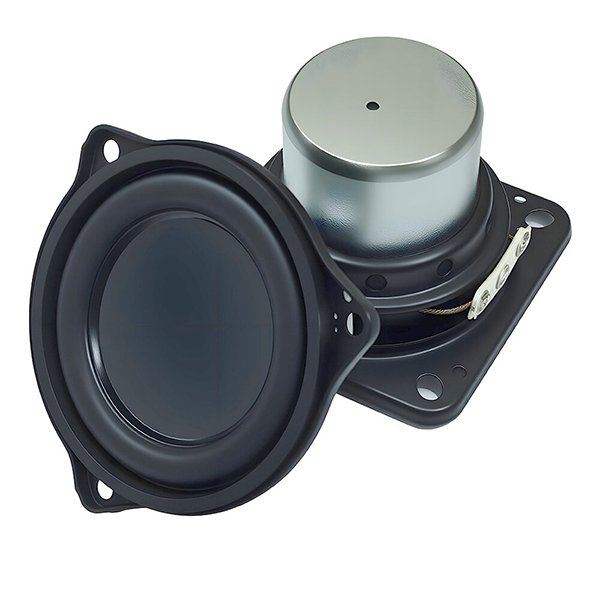
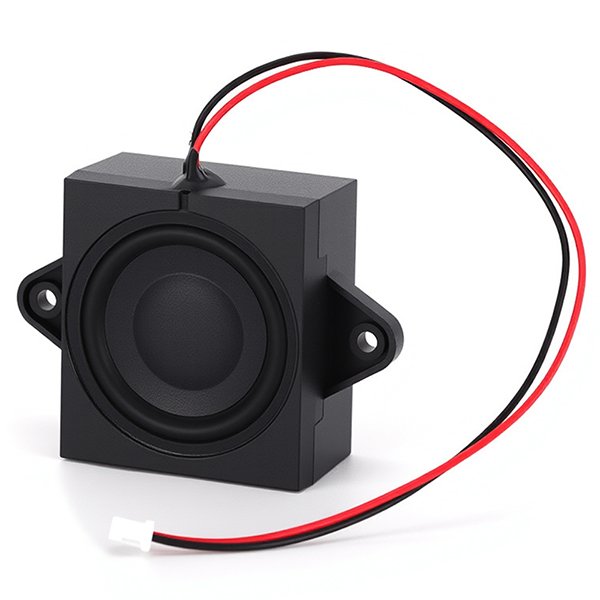
- Driver Configuration: Single full-range vs. dual-driver + passive radiator for bass.
- Battery Life: Target playtime (e.g., 12hrs, 24hrs). Real-world testing is key.
- Connectivity: Bluetooth 5.3 (now standard for better range and stability), potential auxiliary input, USB-C charging.
- Durability: IP rating (IP67 for full dust/water immersion), drop-test height.
- Software: Consider if you need a companion app for firmware updates, custom EQ, or lighting control.
Design & Engineering: This stage requires expert partners.
- Industrial Design (ID): Creates the look, feel, and user experience. Use 3D modeling software.
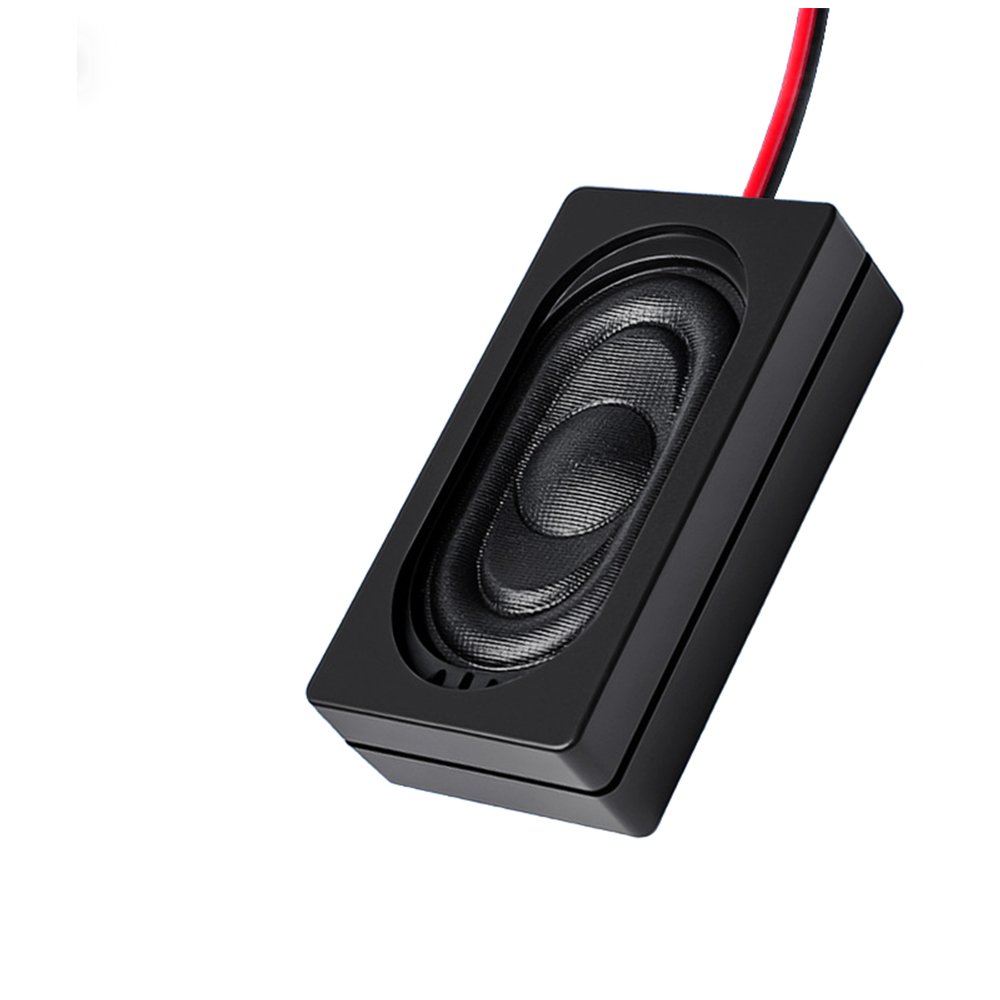
- Electronic Design: Sourcing the core components: Bluetooth SoC (System on Chip – Qualcomm QCC series and Actions chips are common), amplifier IC, battery management system, drivers (speakers). Component shortages in 2024 make working with a knowledgeable partner crucial.
- Acoustic Tuning: This is where sound quality is born. It requires an anechoic chamber and expert engineers to tune the drivers, enclosure, and DSP (Digital Signal Processing) for your desired sound signature.
Prototyping & Testing: Build multiple prototype rounds (EVT, DVT, PVT). Test rigorously for acoustic performance, battery drain, Bluetooth stability, button fatigue, and environmental stress. Certifications are non-negotiable: FCC (USA), CE (Europe), Bluetooth SIG qualification, and any regional safety marks.
Manufacturing, Supply Chain & Logistics
You will likely work with an ODM (Original Design Manufacturer) or OEM (Original Equipment Manufacturer) in Asia, with Shenzhen, China being the global hub for audio electronics.
- Finding a Manufacturer: Use platforms like Alibaba, Globalsources, or attend trade shows like the Canton Fair. Due diligence is critical: conduct factory audits, request samples from existing lines, and check references.
- Minimum Order Quantity (MOQ): This is your biggest initial hurdle. MOQs for a custom speaker can range from 500 to 5,000 units per model. Be prepared for this capital outlay.
- Supply Chain Management: Ensure your manufacturer has resilient supply chains for key components (chips, batteries). Consider inventory financing.
- Quality Control (QC): Hire a third-party QC firm to inspect production runs before shipment. Agree on an AQL (Acceptable Quality Level) standard.
Logistics: Plan for shipping (sea freight for cost, air for speed), import duties, warehousing (in your region or via a 3PL like ShipBob or Amazon FBA), and last-mile delivery.
Branding, Marketing & Sales Launch
Your product is ready. Now, the world needs to know it exists.
- Brand Identity: Develop a compelling brand name, logo, story, and visual language. Why do you exist? (e.g., “Audio for Adventures,” “Studio-Quality Sound, Unleashed”).
- Go-to-Market Strategy:
- DTC Website: Build a Shopify/WooCommerce site with high-quality content (blogs, videos) to drive SEO and build community.
- Marketplace Presence: Amazon is essential. Optimize your listing with keyword-rich titles/bullets, A+ Content, and a strategy to garner positive reviews early.
- Social Proof & Influencers: Send pre-launch units to audio reviewers on YouTube and Instagram. Micro-influencers in your niche (e.g., camping, design) can be highly effective.
- PR & Content Marketing: Target tech and lifestyle publications. Create valuable content about audio technology to build authority.
- Pricing Strategy: Factor in COGS (Cost of Goods Sold: ~30-40% of retail), shipping, marketing, platform fees (15%+ on Amazon), and desired margin to arrive at your MSRP.
Post-Launch: Building a Lasting Business
Launch is just the beginning. Focus on:
- Customer Support: Excellent service turns buyers into evangelists.
- Community Building: Engage with customers on social media, create a user group, and solicit feedback for V2.
- Iteration: Use customer data and reviews to plan firmware updates and next-generation products.
- Scaling: Explore wholesale channels (retailers), expanding into new product categories (headphones, soundbars), or new geographic markets.
Professional Q&A: Navigating the Bluetooth Speaker Industry
Q1: What are the most critical technical certifications needed to sell in the US and EU, and what do they cost?
A: For the USA, FCC certification is mandatory, covering electromagnetic interference. For the EU, CE marking is required, encompassing safety, EMC, and RoHS (hazardous substances). Each certification, depending on the lab and product complexity, can range from $2,000 to $10,000 USD. You also must be a qualifed member of the Bluetooth SIG to use the Bluetooth trademark and technology, which involves declaring your product and paying associated listing fees.
Q2: How much should I realistically budget to develop and launch my first speaker?
A: Excluding inventory, budget $50,000 – $200,000+. This covers industrial/acoustic design engineering ($15k-$50k), prototyping and testing rounds ($5k-$20k), certification ($5k-$15k), tooling for mass production (molds for plastic/enclosure – $10k-$50k+), initial marketing/website ($10k-$30k), and legal/administrative costs. The largest capital requirement will be for your first production run to meet MOQ.
Q3: What is the single biggest mistake new audio hardware startups make?
A: Underestimating the complexity of acoustic tuning and manufacturing quality control. You cannot just slap good drivers into a box and get great sound. Poor tuning leads to harsh, boomy, or flat sound that will be panned in reviews. Similarly, skipping rigorous factory QC results in unacceptable failure rates (dead batteries, Bluetooth pairing issues) that can kill your brand reputation with your first batch of customers.
Q4: Is there still room for innovation in Bluetooth speakers, or is it just about branding now?
A: While core functionality is mature, innovation continues in key areas: battery technology (fast charging, alternative sources like solar), connectivity (LE Audio and Auracast broadcast audio are emerging Bluetooth features for 2024-2025), material science (new sustainable composites, advanced waterproofing), and smart integration (better AI voice assistants, contextual awareness). Innovation in user experience and sustainability are powerful differentiators beyond pure audio specs.
Disclaimer: The data and market projections cited are based on industry reports from sources like Grand View Research, Statista, and Bluetooth SIG as of early 2024. Costs, MOQs, and technical standards are subject to change, and independent due diligence is essential before making financial commitments.