
The Growing Demand for Branded Audio Solutions
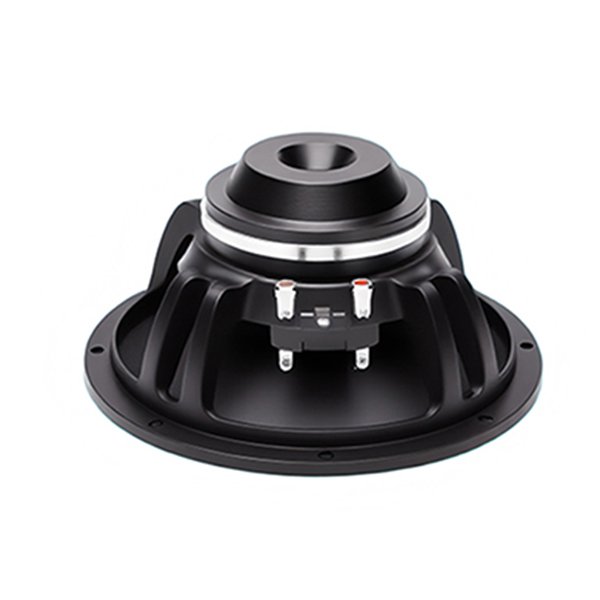
In today’s hyper-competitive market, businesses are constantly seeking innovative ways to promote brand visibility and customer loyalty. Custom logo speakers have emerged as a powerful tool for corporate branding, promotional campaigns, and premium merchandise. The global branded audio equipment market is projected to reach $42.7 billion by 2025, with custom-branded products representing the fastest-growing segment at 18.3% annual growth according to Audio Branding Institute’s 2024 report. Companies ranging from tech startups to Fortune 500 corporations are investing in custom audio products, recognizing their dual function as practical devices and persistent brand ambassadors.
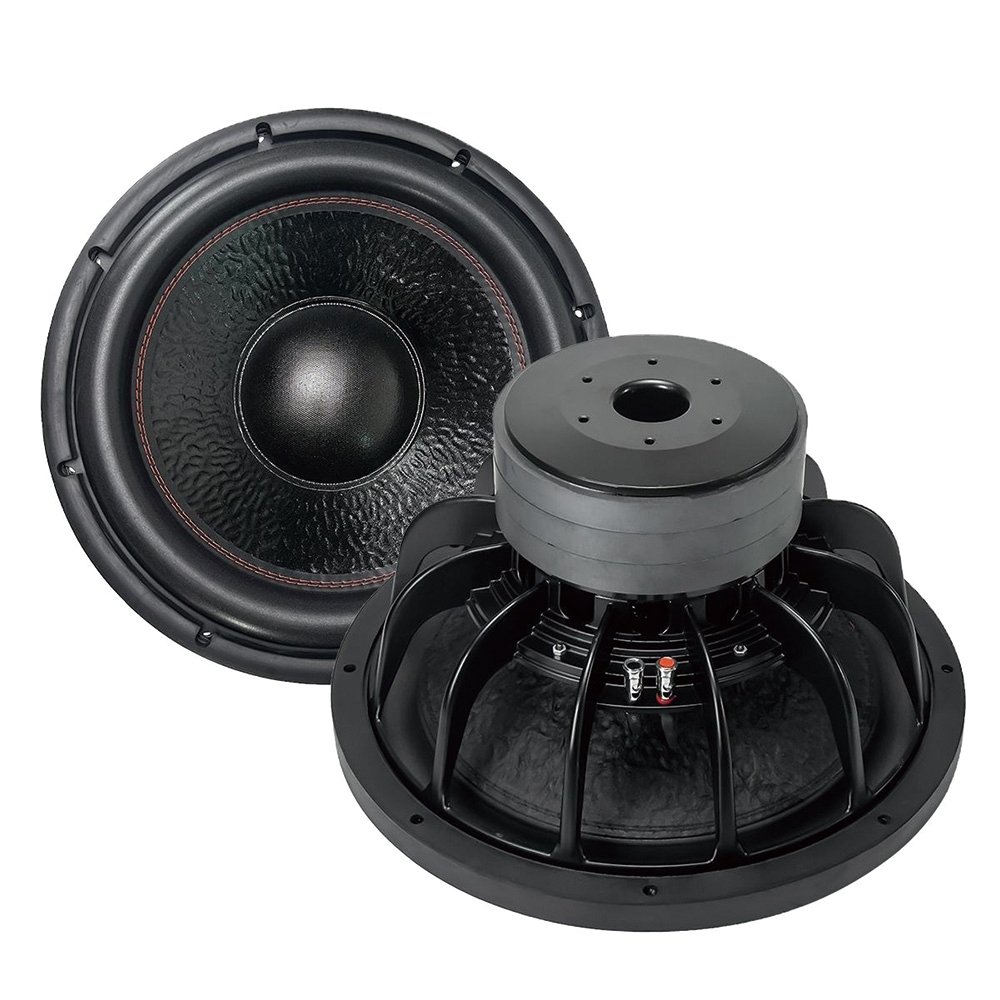
The psychology behind this trend is revealing: studies show that customers use branded audio products 4-7 times more frequently than other promotional items, with average daily exposure ranging from 45 to 180 minutes. This represents unprecedented brand exposure compared to traditional marketing channels. Furthermore, 68% of marketing executives report higher ROI from custom audio products compared to conventional advertising methods, particularly when these products align with their brand’s technological image or target demographic interests.
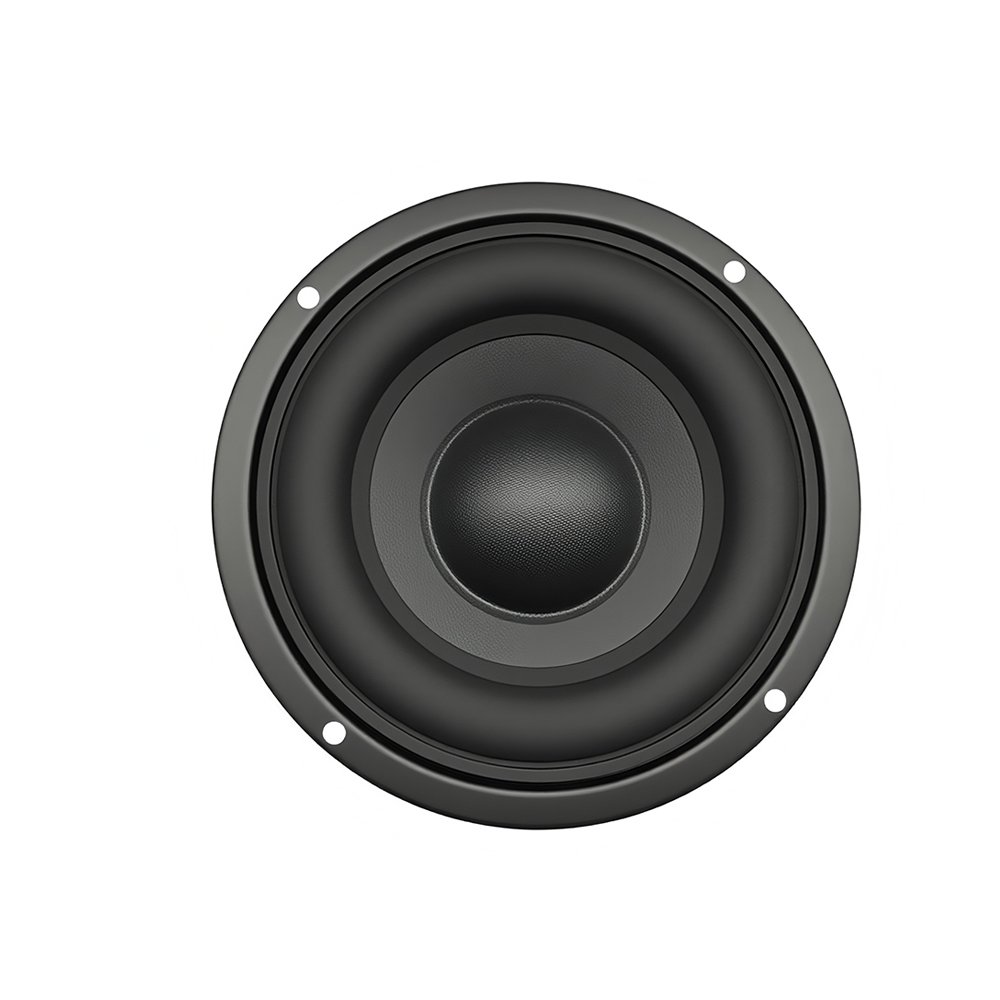
The appeal extends beyond mere logo placement. Modern consumers increasingly seek personalized products that reflect their identities and affiliations. Custom speakers satisfy this desire while providing genuine utility—a crucial distinction from disposable promotional items. Whether distributed at corporate events, included in premium product bundles, or sold as branded merchandise, logo speakers create lasting impressions through both visual branding and auditory experience.
Technical Foundations of Speaker Manufacturing
The manufacturing process for custom logo speakers begins with fundamental acoustic engineering principles that determine sound quality. Modern speaker manufacturing combines precision engineering with advanced materials science, creating products that must satisfy both acoustic and branding requirements.
Core Components and Their Functions:
- Driver Units: The heart of any speaker system, responsible for converting electrical signals into sound waves. Custom speakers often feature specialized drivers optimized for particular frequency ranges.
- Enclosures: Designed not only for aesthetic appeal but also for acoustic performance. The enclosure material, shape, and internal volume significantly impact sound quality.
- Crossovers: Electronic components that divide audio signals into different frequency ranges, directing them to appropriate drivers.
- Amplification: Integrated circuitry that boosts audio signals to drive speakers effectively.
- Connectivity: Modern units incorporate Bluetooth 5.3, Wi-Fi, USB-C, and sometimes proprietary connection protocols.
The manufacturing journey typically follows these stages:
1. Design and Prototyping Phase
This initial stage transforms conceptual requirements into tangible designs. Acoustic engineers utilize specialized software like COMSOL Multiphysics or ANSYS to simulate sound propagation, frequency response, and thermal management. Industrial designers simultaneously work on aesthetic elements, ensuring the physical form accommodates branding elements without compromising acoustic integrity. Modern prototyping employs 3D printing technologies that can produce functional speaker enclosures in materials ranging from photopolymer resins to nylon composites, allowing for rapid iteration.
2. Material Selection and Sourcing
Material choices profoundly impact both acoustic performance and manufacturing feasibility for customization. The table below illustrates common materials and their applications:
| Materialtyp | Common Applications | Acoustic Properties | Customization Considerations |
|---|---|---|---|
| ABS Plastic | Enclosures, grilles | Dense, minimal resonance | Excellent for molded logos, available in colors |
| Aluminium | Enclosures, accents | Rigid, neutral sound | Laser etching anodized surfaces |
| Wood Composites | Enclosures | Warm acoustic signature | Wood burning, inlaid logos |
| Fabric | Speaker grilles | Acoustically transparent | Sublimation printing, embroidery |
| Silicone/Rubber | Protective elements | Vibration damping | Molded branding possible |
Recent advancements in material science have introduced sustainable alternatives that maintain acoustic fidelity while supporting brand sustainability narratives. Bio-based polymers and recycled materials now constitute approximately 23% of custom speaker manufacturing according to 2024 Sustainable Audio Manufacturing Report.
3. Driver Manufacturing and Assembly
Driver production represents the most technically demanding phase. Voice coils are wound with precision tolerances under 0.01mm, magnets are calibrated for specific magnetic flux densities, and diaphragms are manufactured with material consistency crucial for uniform performance. For custom speaker lines, manufacturers often modify standard driver designs to accommodate specific frequency response profiles requested by clients, particularly when brands want their audio products to emphasize certain sound characteristics aligning with brand personality (e.g., “crisp highs” for tech brands or “deep bass” for youth-oriented companies).
Customization Integration Throughout Production
The integration of branding elements occurs at multiple manufacturing stages, each requiring specialized techniques to maintain product integrity.
Enclosure Customization Methods:
- Injection Molding with Logo Integration: For mass production, logos are incorporated directly into mold designs. This creates seamless branding with excellent durability. Modern multi-material molding allows contrasting colors for logos without additional painting steps.
- Laser Etching and Engraving: Particularly effective on metal or dense plastic surfaces, laser systems can create remarkably detailed logos with precision up to 0.001 inches. This method preserves material integrity while creating permanent branding.
- Sublimation Printing: For fabric-covered speakers or specific plastic types, sublimation allows full-color logo reproduction that becomes part of the material rather than sitting atop it.
- UV Printing: Advanced printing technology that creates vibrant, durable logos on various surfaces without requiring specific material porosity.
Electronic and Software Branding:
Modern speakers extend branding beyond physical elements. Custom power-on sounds, LED illumination synchronized with brand colors, and companion mobile applications with branded interfaces create cohesive brand experiences. Manufacturing facilities specializing in custom audio products maintain software teams that develop these digital branding elements alongside hardware production.
Quality Control with Branding Considerations:
Custom products require enhanced quality assurance protocols. Beyond standard acoustic testing (frequency response, total harmonic distortion, sensitivity measurements), manufacturers conduct branding integrity checks:
- Logo alignment verification using computer vision systems
- Color consistency assessment with spectrophotometers
- Durability testing of branding elements against wear, UV exposure, and cleaning
- Acoustic impact assessment of branding integration
This rigorous validation ensures that customization enhances rather than compromises the product. Premium manufacturers typically allocate 12-15% of production time exclusively to quality assurance for custom products, compared to 7-9% for standard items.
Manufacturing Workflow: From Concept to Finished Product
The complete manufacturing process for custom logo speakers follows a detailed workflow that balances efficiency with customization flexibility. Leading manufacturers have optimized this process through Industry 4.0 technologies, reducing average production time by 34% since 2021 while improving customization precision.
Step 1: Design Finalization and Tooling Creation
Once prototypes receive client approval, manufacturing engineers design production tooling. For injection-molded components with integrated logos, this involves creating precision molds that may cost between $15,000-$80,000 depending on complexity. Modern CNC machining and electrical discharge machining create these tools with tolerances as tight as 0.002mm. Simultaneously, programming occurs for automated assembly equipment, with robotic systems configured to handle customized components.
Step 2: Material Preparation and Just-in-Time Inventory
Smart manufacturing systems coordinate material delivery with production schedules. RFID-tagged material batches ensure traceability—crucial for custom orders where material consistency directly affects branding appearance. Sustainable manufacturers increasingly employ closed-loop systems that recycle production waste back into material streams, with some facilities achieving 94% material utilization rates.
Step 3: Parallel Production Lines
Efficient custom speaker manufacturing employs parallel processing:
- Electronics Assembly: Surface-mount technology lines populate circuit boards, which then receive specialized firmware containing brand-specific audio profiles and interface elements.
- Enclosure Manufacturing: Injection molding, CNC machining, or vacuum forming creates enclosures with integrated branding elements.
- Driver Production: Automated systems assemble drivers, with calibration tailored to each custom model’s acoustic specifications.
Step 4: Integration and Final Assembly
Robotic systems increasingly handle the precise integration of components, particularly for high-volume custom orders. However, certain branding elements still benefit from skilled technicians—hand-applied finishes, multi-material combinations, or exceptionally detailed logo work. The assembly environment is carefully controlled for temperature (20-22°C) and humidity (45-55% RH) to ensure adhesive performance and material stability.
Step 5: Comprehensive Testing and Packaging
Every custom speaker undergoes rigorous testing including:
- Frequency response analysis (typically 20Hz-20kHz)
- Total harmonic distortion measurement at multiple power levels
- Bluetooth/Wi-Fi connectivity verification
- Battery performance assessment (for portable units)
- Physical inspection of branding elements
- Functional testing of custom features (LED patterns, app connectivity, etc.)
Packaging represents the final branding opportunity. Custom inserts, brand-specific documentation, and tailored unboxing experiences extend brand presence. Sustainable packaging solutions have become increasingly important, with 67% of brands opting for recycled or biodegradable materials in 2024 according to Audio Packaging Trends Report.
The Future of Custom Audio Manufacturing
Emerging technologies are revolutionizing custom speaker production, offering brands unprecedented personalization possibilities while improving sustainability.
Additive Manufacturing Advancements: Industrial 3D printing now supports production-grade speaker manufacturing. Brands can create limited edition designs with intricate geometries impossible through conventional manufacturing. The technology also enables on-demand production, reducing inventory waste—particularly valuable for niche marketing campaigns.
AI-Driven Acoustic Tuning: Machine learning algorithms can now optimize speaker performance for specific environments or listening preferences. Brands can offer “sound signatures” that align with brand identity—for example, a “studio reference” profile for professional equipment companies or “dynamic entertainment” profiles for lifestyle brands.
Sustainable Manufacturing Integration: The custom audio industry is embracing circular economy principles. Manufacturers now offer trade-in programs for older branded speakers, with components refurbished or recycled into new products. Bio-based materials are improving rapidly, with new mycelium-based composites showing excellent acoustic properties alongside complete biodegradability.
Smart Manufacturing and Supply Chain Transparency: Blockchain integration allows brands and customers to verify product origins, material sources, and manufacturing conditions. This transparency supports ethical branding narratives and quality assurance.
The Internet of Things (IoT) further expands customization possibilities. Networked speakers can receive firmware updates that refresh branding elements or add new features—effectively allowing brands to maintain relevance years after product distribution.
Professional Questions and Answers
Q1: What is the minimum order quantity for custom logo speakers, and how has this changed with manufacturing advancements?
Minimum order quantities have decreased significantly with manufacturing innovations. While traditional injection molding required 1,000+ units to justify mold costs, modern hybrid approaches combining 3D-printed tooling with flexible manufacturing systems allow quantities as low as 100 units for premium clients. Some manufacturers now offer “mini-batch” services starting at 50 units using additive manufacturing, though per-unit costs are 40-60% higher than mass production. The trend toward flexible manufacturing continues, with projections suggesting 25-unit minimums becoming economically viable by 2026 for standard customization.
Q2: How does logo integration affect acoustic performance, and what techniques minimize impact?
Logo integration inevitably affects acoustic properties, but advanced techniques minimize compromises. Material continuity is crucial—logos molded directly into enclosures (rather than applied later) preserve structural integrity. For speaker grilles, laser-perforated logos maintain acoustic transparency better than woven alternatives. Acoustic engineers use finite element analysis to model how branding elements affect sound waves, adjusting driver placement and enclosure design accordingly. Premium manufacturers conduct A/B testing between branded and non-branded versions, with performance deviations typically kept below 2dB across frequency spectrum for properly engineered solutions.
Q3: What are the lead times for custom speaker production, and what factors most influence timelines?
Standard lead times range from 8-14 weeks for complete custom designs, though simpler logo applications on existing models can be as brief as 4-6 weeks. The most significant timeline factors include: tooling creation (3-5 weeks for complex molds), material sourcing (especially for sustainable or specialized materials), and certification processes (Bluetooth SIG, FCC, CE markings). Manufacturers employing digital inventory and flexible manufacturing systems have reduced lead times by approximately 30% since 2021. Rush production (25-35% cost premium) can compress timelines to 3-5 weeks by utilizing expedited tooling and air freight logistics.
Q4: How do sustainability considerations impact custom speaker manufacturing options?
Sustainability now fundamentally influences manufacturing decisions. Brands increasingly request Life Cycle Assessments measuring carbon footprint from raw materials to end-of-life. Manufacturers respond with: bio-based polymers (up to 70% plant-based content), modular designs facilitating repair/upgrade, and take-back programs achieving 85-92% material recovery. Solar-powered manufacturing facilities have reduced production carbon footprint by 40-60% among industry leaders. These sustainable options may increase costs by 15-25% but align with consumer preferences—73% of corporate buyers prioritize environmental credentials according to 2024 B2B Audio Products Survey.
Q5: What technical specifications should brands consider when commissioning custom speakers?
Beyond branding requirements, brands should specify: target frequency response (particularly important for brand sound identity), power handling (wattage RMS), sensitivity (dB/W/m), connectivity protocols (Bluetooth version, codec support), battery life (for portable units), and environmental durability (IP ratings). Acoustic tuning should match intended use cases—voice clarity for conference room speakers versus extended bass for lifestyle products. Experienced manufacturers guide brands through these technical decisions, often providing comparative analysis against competitor products. Increasingly, brands are commissioning bespoke acoustic signatures that become recognizable brand attributes, much like visual logos.
Data sources include: Audio Engineering Society 2024 Industry Report, Global Custom Electronics Manufacturing Analysis Q1 2024, Sustainable Audio Manufacturing Initiative Findings, and proprietary manufacturing data from leading OEM facilities.