
Die Hotellerie durchläuft einen tiefgreifenden technologischen Wandel, an dessen Spitze die Integration Künstlicher Intelligenz steht. Maßgeschneiderte KI-Lautsprecher, die über herkömmliche Smart-Home-Geräte hinausgehen, entwickeln sich zu einem Eckpfeiler des modernen, vernetzten Gästeerlebnisses. Für Hoteliers geht es bei der Entwicklung eines individuell angepassten KI-Assistenten nicht nur darum, eine Neuheit hinzuzufügen; es geht darum, die betriebliche Effizienz neu zu gestalten, neue Einnahmequellen zu erschließen und zutiefst personalisierte Aufenthalte zu schaffen, die die Loyalität fördern. Dieser ultimative Leitfaden bietet eine umfassende Roadmap für die Entwicklung und Bereitstellung maßgeschneiderter KI-Lautsprecher, die zum zentralen Nervensystem des Gästeerlebnisses in Ihrem Hotel werden.
Die Marktnotwendigkeit: Warum maßgeschneiderte KI die Zukunft der Hotellerie ist
Die Nachfrage nach nahtlosen, technologieintegrierten Aufenthalten ist kein Nischenwunsch mehr – sie ist eine allgemeine Erwartung. Ein Bericht von Voicebot Research aus dem Jahr 2023 zeigte, dass über 45 % der Reisenden eher ein Hotelzimmer buchen, das mit einem Sprachassistenten ausgestattet ist. Darüber hinaus ergab eine J.D. Power-Studie , dass Hotels mit erfolgreichen Technologieintegrationen in Gästezufriedenheitsindizes um 35 % höhere Werte erzielen. Herkömmliche Smart-Lautsprecher sind in diesem Umfeld unzureichend, da sie für das Zuhause und nicht für das komplexe Ökosystem eines Hotels konzipiert sind.
Ein maßgeschneiderter KI-Lautsprecher schließt diese Lücke direkt. Er dient als einheitliche Schnittstelle für den Gast, steuert die Raumumgebung (Beleuchtung, Temperatur, Vorhänge), erleichtert Serviceanfragen (Housekeeping, Concierge, Zimmerservice), bietet kuratierte lokale Informationen und übernimmt Multimedia-Unterhaltung – alles über natürliche Sprachbefehle. Für das Hotel wird er zu einem leistungsstarken operativen Werkzeug, das Routineaufgaben automatisiert, wertvolle Daten zu Gästepräferenzen sammelt, das Anrufaufkommen an der Rezeption um bis zu 60 % reduziert und gezielte, kontextbezogene Upselling-Möglichkeiten ermöglicht (z. B. “Möchten Sie eine Flasche Champagner bestellen, um Ihren Jahrestag zu feiern?”). Die Notwendigkeit ist klar: Um bei Erlebnis und Effizienz zu konkurrieren, wandelt sich eine maßgeschneiderte KI-Lösung von einem Unterscheidungsmerkmal zu einer Notwendigkeit.
Architektonischer Bauplan: Kernkomponenten eines KI-Lautsprechersystems für Hotels
Die Entwicklung eines maßgeschneiderten KI-Lautsprechers umfasst eine mehrschichtige Architektur, wobei jede Schicht spezifisches Fachwissen und strategische Entscheidungen erfordert. Das System geht weit über die physische Hardware auf dem Nachttisch hinaus.
1. Hardware & Akustik: Das physische Gerät muss robust, sicher und für die Hotellerie ausgelegt sein. Wichtige Überlegungen umfassen:
- Fernfeldmikrofone: Fähig zur präzisen Spracherfassung in unterschiedlichen Raumakustiken, selbst bei Umgebungsgeräuschen durch HLK oder Fernseher.
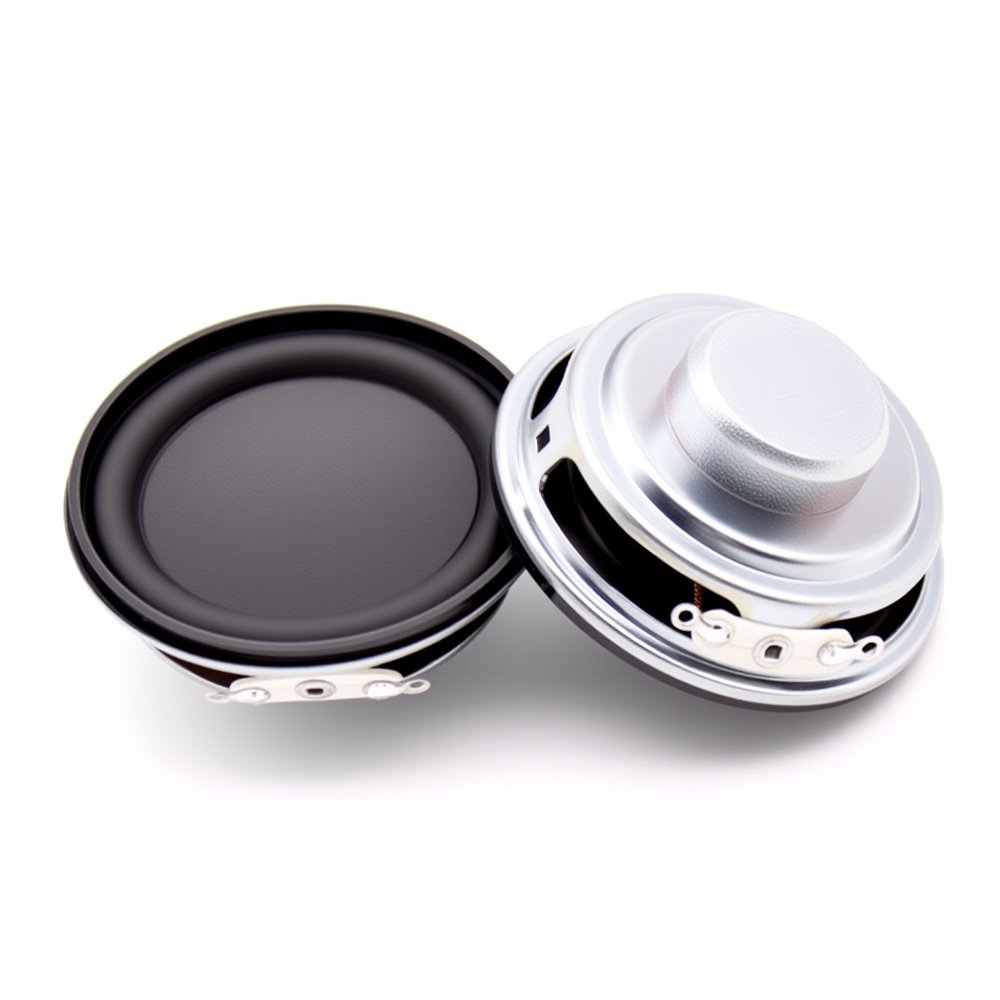
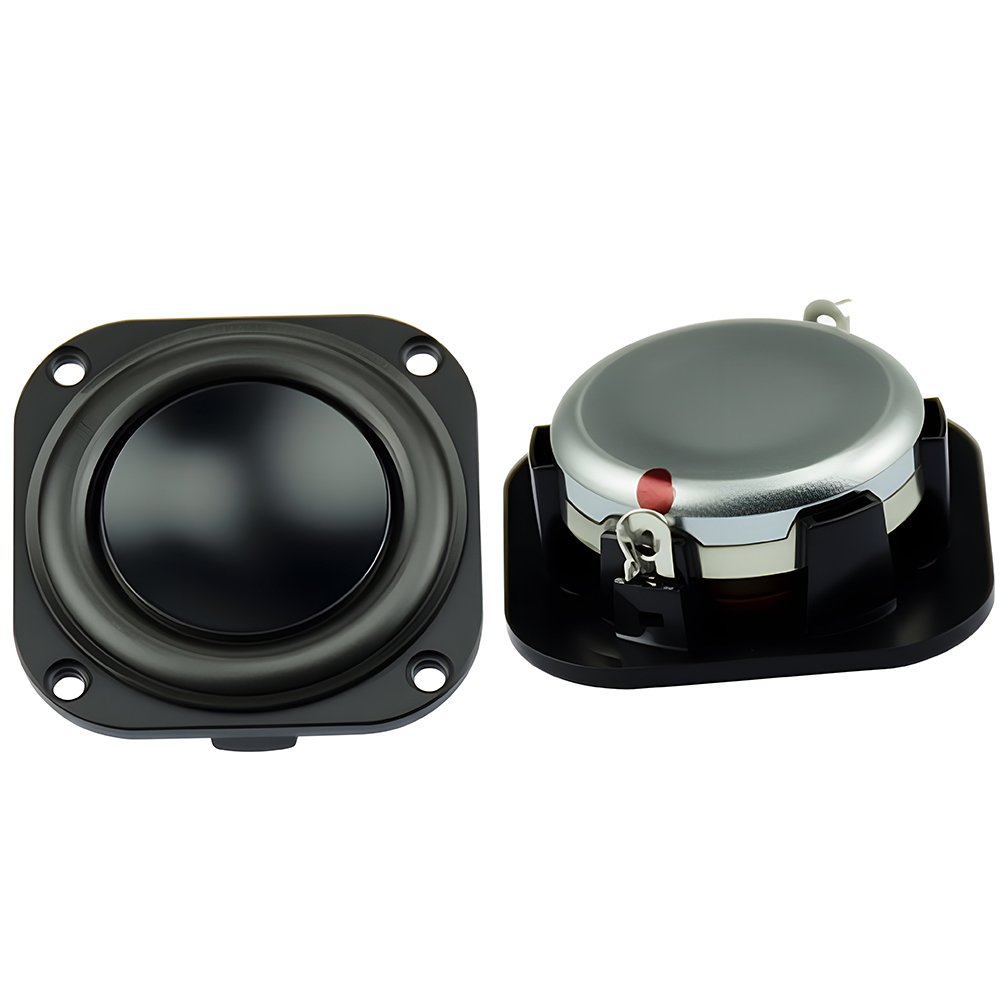
- Hochwertiger Lautsprecher: Audioqualität für Musik, Radio und klare Antworten ist von größter Bedeutung.
- Datenschutzorientiertes Design: Ein physischer Stummschalter und/oder eine auffällige Datenschutz-LED, die nicht softwaremäßig deaktiviert werden kann, sind für das Vertrauen der Gäste unverhandelbar.
- Konnektivität: Robuste Konnektivität:.
- Robustes Wi-Fi (Unterstützung hotelgerechter Authentifizierung), Bluetooth zur Kopplung von Gästegeräten und potenziell Zigbee oder Z-Wave zur direkten Steuerung von IoT-Geräten im Raum. Formfaktor:.
Ästhetische Integration in das Raumdesign, sichere Montage zur Diebstahlprävention und einfache Reinigung durch das Housekeeping.
2. Die Intelligenzschicht: NLP, KI und Integration.
- Dies ist das Gehirn des Betriebs. Ein hybrides KI-Modell funktioniert oft am besten. Automatische Spracherkennung (ASR):.
- Wandelt Sprache in Text um. Muss mehrere Akzente und Sprachen unterstützen sowie hotelspezifische Terminologie verarbeiten. Natürliches Sprachverständnis (NLU):.
- Interpretiert die Absicht des Gastes. Ein maßgeschneidertes Training mit hotelspezifischen Korpora (z. B. „Ich brauche mehr Handtücher“, „Wann ist der Check-out?“) ist für eine hohe Genauigkeit entscheidend. Dialogmanagement:.
- Behält den Kontext während eines Gesprächs bei (z. B. Gast: „Ist der Pool geöffnet?“ KI: „Bis 22 Uhr.“ Gast: „Und das Spa?“). Backend-Integrationen (Die kritische Verbindung):.
Der Wert der KI wird durch ihre Verbindungen zu den bestehenden Hotelsystemen über APIs (Anwendungsprogrammierschnittstellen) realisiert.
| Die folgende Tabelle skizziert wesentliche Systemintegrationen: | Systemtyp (PMS, CRM, IoT usw.) | Integrationszweck |
|---|---|---|
| Wichtiger Datenaustausch | Property-Management-System (PMS) | Zentraler operativer Knotenpunkt. |
| Gästename, Zimmernummer, Aufenthaltsdaten, Check-out-Zeit, Serviceanfragen, Abrechnung. | Customer-Relationship-Management (CRM) | Personalisierungsmaschine. |
| Gästepräferenzen, vergangene Aufenthaltshistorie, besondere Anlässe, Treuestufe. | IoT- & Raumsteuerungsplattform | Steuerung des Raumerlebnisses. |
| Befehle für intelligente Beleuchtung, Thermostat, Jalousien, Fernseher und Türschlösser. | Point-of-Sale (POS) & Bestellsystem | Umsatzgenerierung & Service. |
| Speisekarten, Bestellungen für Gastronomie, Spa, Annehmlichkeiten; direkte Belastung des Zimmerkontos. | Concierge- & Service-Ticketing | Erstellt, weist zu und verfolgt Haushalts-, Wartungs- und Concierge-Anfragen. |
| Content-Management-System (CMS) | Dynamische Informationsbereitstellung | Aktualisierungen zu Hotelveranstaltungen, Annehmlichkeiten, lokalen Attraktionen und Werbeaktionen. |
3. Software & Sicherheit: Ein dediziertes Admin-Portal ist erforderlich, damit das Hotelpersonal den Gerätestatus überwachen, Anfrageanalysen einsehen, Inhalte aktualisieren und Einstellungen verwalten kann. Sicherheit muss grundlegend sein, mit Ende-zu-Ende-Verschlüsselung, regelmäßigen Penetrationstests und strikter Einhaltung von Datenschutzbestimmungen wie DSGVO und CCPA.
Gestaltung des Gästeerlebnisses: Vom Check-in bis zum Check-out
Die Benutzererfahrung muss intuitiv, hilfreich und subtil markengeprägt sein. Die erste Interaktion gibt den Ton an. Eine personalisierte Willkommensnachricht (“Willkommen zurück, Frau Smith. Wir hoffen, Sie genießen Ihren Aufenthalt bei uns.”) personalisiert das Erlebnis sofort. Die KI sollte proaktiv Orientierung bieten: “Sie können mich bitten, den Raum anzupassen, Frühstück zu bestellen oder Empfehlungen für Restaurants in der Innenstadt zu erhalten.”
Das Design der Sprachpersönlichkeit ist entscheidend. Soll es formell oder freundlich sein? Passt es zur Markenstimme des Hotels (luxuriös, trendig, familienfreundlich)? Das Erstellen und Testen Tausender Dialogpfade für häufige und Randfälle gewährleistet Zuverlässigkeit. Das System muss auch mit Unklarheiten elegant umgehen (“Es ist zu hell hier” sollte die Jalousien auslösen, nicht das Licht).
Personalisierung ist das ultimative Ziel. Durch die Verknüpfung mit dem CRM kann sich die KI Präferenzen merken: “Guten Morgen, John. Möchten Sie, dass ich den Thermostat auf Ihre bevorzugten 22 Grad einstelle und Ihre Morgennachrichten-Playlist abspiele?” Sie kann auch intelligente, genehmigungsbasierte Vorschläge machen: “Ich habe gesehen, dass Ihnen der Malbec beim letzten Besuch gefallen hat. Unser Sommelier hat gerade eine neue argentinische Auswahl zur Lounge-Karte hinzugefügt.”
Bereitstellung, Herausforderungen und Messung des ROI
Eine erfolgreiche Einführung erfordert sorgfältige Planung. Beginnen Sie mit einem Pilotprogramm in einem kontrollierten Flügel oder Anwesen, um technische und verfahrenstechnische Probleme zu beheben. Die Schulung des Personals ist unerlässlich – Rezeption, Hauswirtschaft und IT müssen die Fähigkeiten und Grenzen des Systems verstehen, um Gäste effektiv zu unterstützen.
Zu erwartende Herausforderungen umfassen die Sicherstellung einer stabilen WLAN-Abdeckung, den transparenten Umgang mit Datenschutzbedenken der Gäste und die Wartung des Systems durch regelmäßige Software-Updates und Hardware-Überprüfungen.
Die Messung des Return on Investment (ROI) sollte vielschichtig sein:
- Betriebseffizienz: Verfolgung der Reduzierung von Anrufen an der Rezeption, schnellere Erfüllung von Serviceanfragen und Energieeinsparungen durch automatisierte Raumsteuerung.
- Gästezufriedenheit: Überwachung von direktem Feedback, Bewertungen, die den KI-Assistenten erwähnen, und Verbesserungen der NPS/GSS-Werte.
- Umsatzauswirkungen: Messung des zusätzlichen Umsatzes durch sprachgesteuerten Zimmerservice, Bestellungen von Annehmlichkeiten und Premium-Upgrades.
- Wert des Datenvermögens: Die aggregierten, anonymisierten Daten zu Gästepräferenzen sind für zukünftiges Marketing, Servicedesign und strategische Planung von unschätzbarem Wert.
Der Weg nach vorne: KI und der hyper-personalisierte Hotelaufenthalt
Die Zukunft maßgeschneiderter KI-Lautsprecher für Hotels ist tief integriert und antizipierend. Wir bewegen uns in Richtung Der Weg nach vorne: KI und Ambient Computing:, wo Sensoren (mit ausdrücklicher Zustimmung) es dem Raum ermöglichen, sich ohne Sprachbefehl an den Gast anzupassen – zum Beispiel das Dimmen des Lichts, wenn sie ins Bett gehen. Tiefere Integration mit mobilen Apps wird ein nahtloses multimodales Erlebnis schaffen, das es Gästen ermöglicht, eine Anfrage per Sprache zu starten und auf ihrem Telefon abzuschließen.
Darüber hinaus werden Fortschritte in generativer KI und großen Sprachmodellen (LLMs) natürlichere, flüssigere und kontextbewusstere Gespräche ermöglichen. Die KI könnte basierend auf den geäußerten Interessen eines Gastes eine personalisierte Reiseroute erstellen oder eine einzigartige Geschichte für ein Kind zur Schlafenszeit generieren. Der maßgeschneiderte KI-Lautsprecher wird sich von einer transaktionalen Schnittstelle zu einem intelligenten, empathischen Gastgeber entwickeln und das Wesen der Gastfreundschaft grundlegend neu definieren.
Professionelle Fragen und Antworten
F1: Wie können wir den Datenschutz und die Sicherheit der Gästedaten bei einem ständig zuhörenden Gerät im Raum gewährleisten?
A: Dies ist das oberste Anliegen. Eine robuste Strategie ist mehrschichtig: Erstens muss, die Hardware einen physischen, unmissverständlichen “Datenschutzschalter” haben,” der das Mikrofon mechanisch trennt, mit einer hellen LED-Anzeige. Zweitens sollten, Daten minimal verarbeitet und wo möglich anonymisiert werden. Sprachaufnahmen sollten nicht langfristig gespeichert werden; nur das Texttranskript und die Absicht zur Erfüllung der Anfrage sollten aufbewahrt werden. Drittens ist, eine klare, transparente Kommunikation entscheidend. Stellen Sie eine einfache Datenschutzbroschüre im Zimmer bereit, die erklärt, welche Daten gesammelt werden, wie sie verwendet werden und wie der Gast sie kontrollieren kann. Stellen Sie schließlich sicher, dass Ihr Anbieter und Ihre Systeme alle relevanten Vorschriften einhalten (DSGVO, CCPA) und regelmäßigen unabhängigen Sicherheitsaudits unterzogen werden.
F2: Was sind die typischen Kosten und der Zeitrahmen für die Entwicklung und Bereitstellung einer maßgeschneiderten KI-Lautsprecherlösung in einem Hotel mit 300 Zimmern?
A: Die Kosten variieren erheblich je nach Anpassungsgrad, Hardwareauswahl und Integrationskomplexität. Ein grober Rahmen für eine vollständig maßgeschneiderte Lösung mit proprietärer Hardware, tiefer PMS-Integration und einer markengeprägten Sprachpersönlichkeit liegt bei 500 bis 1.500 € pro Zimmer für anfängliche Hardware, Software und Bereitstellung. Dies umfasst die Lautsprechereinheiten, die Entwicklung der Backend-Plattform, Integrationsgebühren und Projektmanagement. Laufende Kosten umfassen Softwarelizenz-/SaaS-Gebühren (oft 10-30 €/Zimmer/Monat), Wartung und zellulare Datensicherung, falls verwendet. Der Zeitrahmen von der Konzeption bis zur hotelweiten Einführung beträgt typischerweise 6 bis 12 Monate,, einschließlich 2-3 Monaten für Pilottests und Personalschulungen.
F3: Wie gehen wir effektiv mit mehrsprachiger Unterstützung und verschiedenen Akzenten um?
A: Effektive mehrsprachige Unterstützung beginnt auf der Ebene der automatischen Spracherkennung (ASR). Arbeiten Sie mit einem ASR-Anbieter zusammen oder wählen Sie einen (wie Google, Amazon oder spezialisierte Anbieter), der starke Modelle für Ihre Zielsprachen und Zielgruppe bietet. Der entscheidende nächste Schritt ist Anpassung des Modells für natürliches Sprachverständnis (NLU). Sie müssen es mit hotelspezifischen Phrasen und Anfragen trainieren in jeder Sprache. Dies umfasst die Erstellung oder Beschaffung eines Datensatzes mit übersetzten und lokalisierten typischen Gästeäußerungen. Für Akzente ist die Diversität der Trainingsdaten essenziell. Ein Betatest mit einer heterogenen Nutzergruppe vor dem Start hilft, Erkennungslücken zu identifizieren und zu beheben. Das System sollte zudem Code-Switching (Sprachmischung) elegant handhaben und bei geringer Erkennungssicherheit auf eine gut unterstützte Primärsprache zurückfallen.