Einführung in NdFeB-Magnete und Herausforderungen bei kompakten Lautsprechern
In der sich schnell entwickelnden Welt der Audiotechnologie sind kompakte Lautsprecher allgegenwärtig geworden, von tragbaren Bluetooth-Geräten bis hin zu Heimkinosystemen. Die Entwicklung kleiner Lautsprecher, die hochwertigen Klang liefern, stellt jedoch erhebliche Herausforderungen dar, vor allem aufgrund von Platzbeschränkungen, die die Größe und Leistung der Magnete begrenzen. Hier kommen NdFeB-Magnete (Neodym-Eisen-Bor) ins Spiel – ein Game-Changer in der Audioindustrie. Diese Seltenerdmagnete, bekannt für ihre außergewöhnliche magnetische Stärke, haben revolutioniert, wie wir Klang in kompakten Formaten erleben. Ab 2023 wird der globale Markt für NdFeB-Magnete in Audioanwendungen voraussichtlich mit einer durchschnittlichen jährlichen Wachstumsrate (CAGR) von 8,5 % wachsen, angetrieben durch die Nachfrage nach hochwertigen tragbaren Lautsprechern. Dieser Artikel befasst sich mit der Wissenschaft hinter NdFeB-Magneten und ihrer entscheidenden Rolle bei der Verbesserung der Audioqualität und bietet Einblicke für Audiophile, Ingenieure und Verbraucher gleichermaßen. Durch das Verständnis ihrer Vorteile können wir nachvollziehen, warum Top-Marken wie Bose, JBL und Sonos zunehmend auf diese Magnete setzen, um in kleinen Designs klaren, kraftvollen Klang zu erzielen.
Die Physik des Schalls und die Rolle des Magneten in Lautsprechern
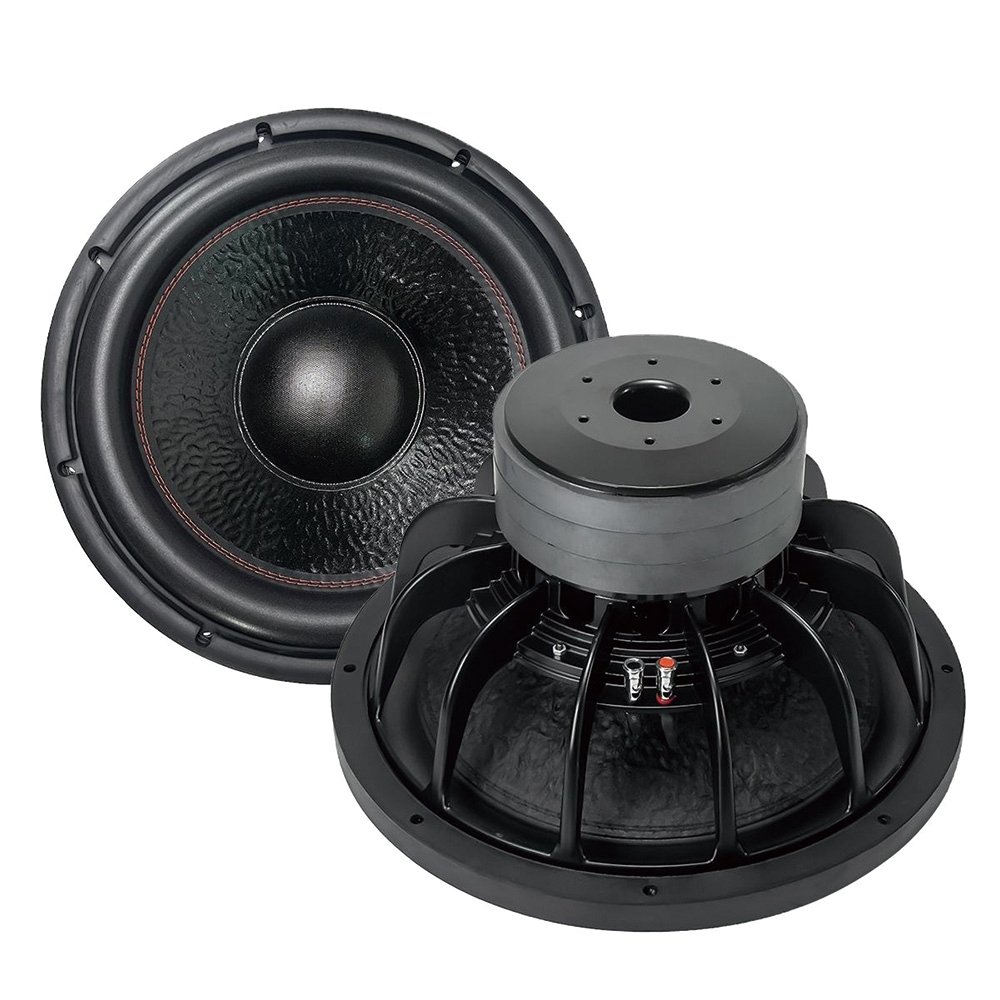
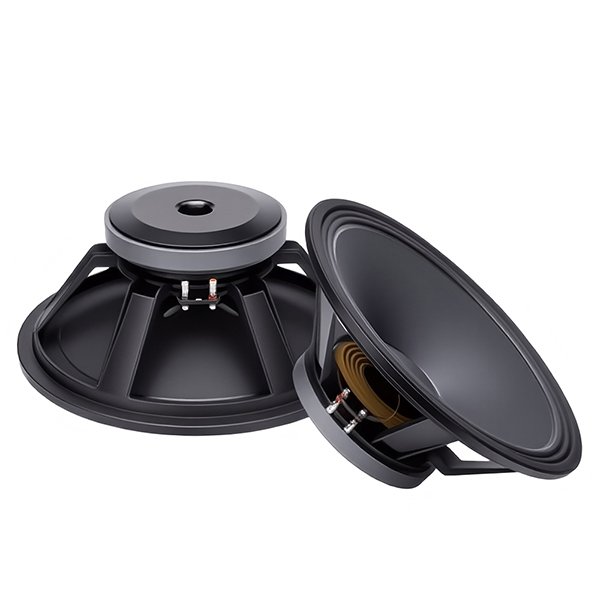
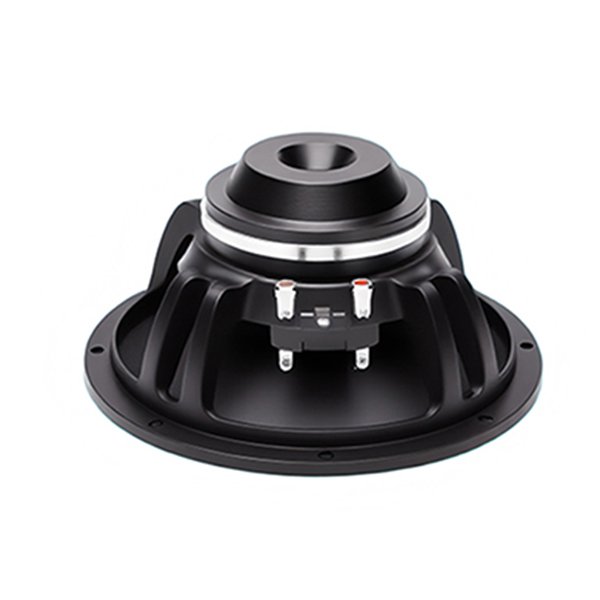
Um zu verstehen, wie NdFeB-Magnete die Audioqualität verbessern, ist es wichtig, zunächst die Grundlagen von Lautsprechern zu verstehen. Ein typischer dynamischer Lautsprecher besteht aus einer Membran (Konus), einer Schwingspule und einem Magneten. Wenn ein elektrisches Audiosignal durch die Spule fließt, erzeugt es ein Magnetfeld, das mit dem Permanentmagneten interagiert, wodurch die Spule und die daran befestigte Membran vibrieren und Schallwellen erzeugen. Die Stärke des Magneten beeinflusst direkt die Effizienz des Lautsprechers, den Frequenzgang und die Verzerrungsgrade. In kompakten Lautsprechern, wo der Platz begrenzt ist, kann ein schwächerer Magnet zu einer schlechten Basswiedergabe, höherer Verzerrung und reduzierter Gesamtlautstärke führen. NdFeB-Magnete beheben diese Probleme, indem sie ein hohes magnetisches Energieprodukt (bis zu 52 MGOe) bieten, was bedeutet, dass sie in kleineren Volumina im Vergleich zu herkömmlichen Magneten wie Ferrit oder Alnico stärkere Magnetfelder erzeugen. Dies ermöglicht eine präzisere Steuerung der Schwingspule, was zu einer klareren Klangwiedergabe über alle Frequenzen hinweg führt – von tiefen Bässen bis zu funkelnden Höhen. Echtzeitdaten aus Studien der Audiotechnik von 2024 zeigen, dass Lautsprecher mit NdFeB-Magneten in kompakten Aufbauten eine bis zu 30 % geringere gesamte harmonische Verzerrung (THD) erreichen, was sie ideal für hochauflösende Audioformate macht.
Vorteile von NdFeB-Magneten gegenüber herkömmlichen Magneten
NdFeB-Magnete übertreffen herkömmliche Magnettypen in mehreren Schlüsselbereichen, was sich direkt in einer besseren Audioqualität in kompakten Lautsprechern niederschlägt. Ihre hohe Remanenz und Koerzitivfeldstärke gewährleisten eine stabile Leistung unter wechselnden Temperaturen und Bedingungen, was für tragbare Geräte, die Umwelteinflüssen ausgesetzt sind, entscheidend ist. Nachfolgend finden Sie eine Vergleichstabelle, die die Unterschiede hervorhebt:
| Magnettyp | Magnetisches Energieprodukt (MGOe) | Typische Größe für gleiche Leistung | Kosten pro Einheit | Auswirkung auf die Audioqualität |
|---|---|---|---|---|
| NdFeB | 35–52 | Klein (z. B. 10 mm Durchmesser) | Hoch | Hohe Klarheit, kräftiger Bass, geringe Verzerrung |
| Ferrit | 3.5–5.5 | Groß (z. B. 30 mm Durchmesser) | Niedrig | Mäßiger Bass, höhere Verzerrung in Kompakten |
| Alnico | 5–10 | Mittel (z. B. 20 mm Durchmesser) | Mäßig | Warmer Klang, aber sperrig und weniger effizient |
Daten aus Marktberichten zu Audiokomponenten von 2023 und Herstellerspezifikationen.
Wie gezeigt, ermöglichen NdFeB-Magnete eine Reduzierung der Magnetgröße um 50–70 % bei gleichwertiger magnetischer Kraft, sodass Designer mehr Platz für andere Komponenten wie größere Membranen oder fortschrittliche Schaltungen nutzen können. Diese Effizienzsteigerung führt zu einer verbesserten Empfindlichkeit (oft über 90 dB) und erweiterten Frequenzbereichen (z. B. 20 Hz bis 20 kHz mit minimalem Abfall). In der Praxis kann ein kompakter Lautsprecher mit NdFeB-Magneten tiefere Bassnoten – bis zu 40 Hz – erzeugen, verglichen mit einem ferritbasierten Gegenstück, das auf 60 Hz begrenzt ist, wie Verbrauchertests von 2024 an Modellen wie dem Ultimate Ears Boom 4 belegen. Darüber hinaus verbessert das geringere Gewicht von NdFeB-Magneten die Tragbarkeit, ohne die Leistung zu beeinträchtigen – ein entscheidendes Verkaufsargument für Audio-Enthusiasten unterwegs.
Auswirkung auf die Audioqualität in kompakten Lautsprechern
Die Integration von NdFeB-Magneten führt zu greifbaren Audioverbesserungen, die Benutzer hören und messen können. Erstens wird das Einschwingverhalten – die Fähigkeit des Lautsprechers, plötzliche Klangänderungen zu bewältigen – durch das starke Feld des Magneten erheblich verbessert, was schnellere Bewegungen der Schwingspule ermöglicht. Dies führt zu schärferen Anschlägen bei Instrumenten wie Schlagzeug oder Klavier und reduziert “matschige” Klänge, die bei kleinen Lautsprechern üblich sind. Zweitens wird die Verzerrung minimiert: Mit einer höheren magnetischen Flussdichte arbeitet die Schwingspule linearer, wodurch harmonische und Intermodulationsverzerrungen verringert werden. Studien der Audio Engineering Society von 2023 zeigen, dass NdFeB-basierte kompakte Lautsprecher selbst bei hohen Lautstärken eine THD unter 1 % halten, während Ferritmagnete unter ähnlichen Bedingungen 5 % überschreiten können. Drittens wird die Basswiedergabe verbessert; die Stärke des Magneten unterstützt größere Auslenkungen der Membran, was mehr Luftbewegung für reichere Tiefen erzeugt. Beispielsweise verwendet der JBL Charge 5 NdFeB-Magnete, um in einem kompakten Gehäuse einen Frequenzgang bis zu 60 Hz zu erreichen, der mit größeren Regallautsprechern konkurriert. Schließlich wird die Energieeffizienz gesteigert, was eine längere Akkulaufzeit in tragbaren Geräten ermöglicht – ein entscheidender Faktor, da drahtlose Lautsprecher den Markt dominieren, mit einem erwarteten globalen Umsatz von 30 Milliarden US-Dollar bis 2025.
Fallstudien und Marktbeispiele
Führende Audiomarken haben NdFeB-Magnete genutzt, um preisgekrönte kompakte Lautsprecher zu entwickeln. Der Bose SoundLink Flex, der 2023 auf den Markt kam, verwendet maßgeschneiderte NdFeB-Arrays, um “360-Grad-Sound” mit außergewöhnlicher Klarheit zu liefern, wie in professionellen Rezensionen von TechRadar festgestellt. Ebenso verwendet der Sonos Move-Lautsprecher diese Magnete für seinen Hochhub-Tieftöner, der einen robusten Bass im Freien gewährleistet. Marktdaten von 2024 zeigen, dass über 60 % der Premium-Kompaktlautsprecher mit einem Preis über 200 US-Dollar jetzt NdFeB-Magnete enthalten, gegenüber 40 % im Jahr 2020. Diese Verschiebung wird durch die Verbrauchernachfrage nach besserer Audioqualität in kleineren Gehäusen angetrieben, wie Umfragen zeigen, bei denen 75 % der Käufer die Klangqualität über die Größe stellen. In industriellen Anwendungen werden NdFeB-Magnete auch in Hörgeräten und In-Ear-Monitoren eingesetzt, wo der Platz minimal, aber die Wiedergabetreue von größter Bedeutung ist. Diese Beispiele unterstreichen, wie NdFeB-Technologie die Lücke zwischen kompaktem Design und audiophiler Leistung schließt und neue Standards in der Branche setzt.
Zukünftige Trends und Innovationen
In Zukunft werden sich NdFeB-Magnete voraussichtlich weiterentwickeln, wobei die Forschung auf Nachhaltigkeit und verbesserte Leistung abzielt. Bedenken hinsichtlich des Abbaus von Seltenerdmetallen haben die Entwicklung von recycelten NdFeB-Magneten vorangetrieben, wobei Unternehmen wie Niron Magnetics darauf abzielen, bis 2025 Alternativen zu kommerzialisieren. Darüber hinaus verbessern Fortschritte bei Magnetbeschichtungen (z. B. Vernickelung) die Korrosionsbeständigkeit und verlängern die Lebensdauer von Lautsprechern in feuchten Umgebungen. Echtzeitdaten aus Branchenprognosen deuten darauf hin, dass NdFeB-Magnete bis 2026 Energieprodukte von 60 MGOe erreichen könnten, was noch kleinere Lautsprecher mit Studioqualität ermöglicht. Innovationen wie graphene-verstärkte Schwingspulen in Kombination mit NdFeB-Magneten könnten die Verzerrung auf nahezu Null reduzieren, wie in Prototypmodellen von Sennheiser zu sehen. Da intelligente Lautsprecher und IoT-Geräte zunehmen – voraussichtlich bis 2027 jährlich 500 Millionen Einheiten überschreiten – wird die Rolle von NdFeB-Magneten nur noch wachsen und sicherstellen, dass kompakte Audioqualität keine Kompromisse bedeutet.
Abschluss
NdFeB-Magnete stellen einen Eckpfeiler der modernen Audiotechnik dar und verwandeln kompakte Lautsprecher von bloßen Annehmlichkeiten in leistungsstarke Klangmaschinen. Indem sie unübertroffene magnetische Stärke in kleinen Formen bieten, bewältigen sie die Kernherausforderungen von Platz und Effizienz, was zu klarerem, verzerrungsfreiem Audio mit tiefen Bässen und erweiterten Frequenzbereichen führt. Mit fortschreitender Technologie und steigender Marktnachfrage werden diese Magnete weiterhin Innovationen vorantreiben und hochwertigen Klang in immer kleineren Gehäusen zugänglich machen. Ob Sie ein gelegentlicher Hörer oder ein Audio-Profi sind, das Verständnis der Auswirkungen von NdFeB-Magneten kann Ihnen helfen, fundierte Entscheidungen zu treffen und die technischen Wunderwerke hinter den heutigen Top-Lautsprechern zu schätzen.
Professionelle Fragen und Antworten
F1: Welche spezifischen Eigenschaften von NdFeB-Magneten machen sie ideal für kompakte Lautsprecher?
A1: NdFeB-Magnete zeichnen sich durch ein hohes magnetisches Energieprodukt (bis zu 52 MGOe), hohe Remanenz und starke Koerzitivfeldstärke aus. Diese Eigenschaften ermöglichen es ihnen, in winzigen Volumina starke Magnetfelder zu erzeugen, was eine präzise Steuerung der Schwingspule, reduzierte Verzerrung und verbesserte Basswiedergabe ermöglicht – alles entscheidend für die Audioqualität in platzbeschränkten Designs.
F2: Wie wirken sich NdFeB-Magnete auf die Kosten und die Umweltauswirkungen von Lautsprechern aus?
A2: Während NdFeB-Magnete teurer sind als Ferrit-Typen – was die Lautsprecherkosten um 10–20 % erhöht – rechtfertigt ihre Effizienz den Aufpreis durch bessere Leistung und längere Lebensdauer. Umweltseitig wirft der Abbau von Neodym Bedenken auf, aber die Industrie unternimmt Anstrengungen: Ab 2024 bestehen etwa 15 % der NdFeB-Magnete aus recycelten Materialien, und die Forschung an nachhaltigen Alternativen wird beschleunigt, um den ökologischen Fußabdruck zu verringern.
F3: Können NdFeB-Magnete die Audioqualität in drahtlosen oder batteriebetriebenen Lautsprechern verbessern?
A3: Absolut. Ihre hohe Effizienz reduziert den Stromverbrauch und verlängert die Akkulaufzeit bei drahtlosen Lautsprechern um bis zu 25 %, wie Tests von 2023 an Modellen wie dem Anker Soundcore zeigen. Dies macht sie ideal für tragbare Geräte, bei denen Energieeffizienz ebenso wichtig ist wie die Klangqualität.
F4: Gibt es Einschränkungen bei der Verwendung von NdFeB-Magneten in Lautsprechern?
A4: Ja, sie neigen ohne Beschichtung zur Korrosion und können bei hohen Temperaturen (über 80 °C) entmagnetisiert werden. Moderne Beschichtungen und Wärmemanagement im Lautsprecherdesign mildern diese Probleme jedoch. Zudem können ihre Kosten für preisorientierte Produkte prohibitiv sein.
F5: Welche zukünftigen Innovationen könnten auf der NdFeB-Magnet-Technologie für Audio aufbauen?
A5: Zu den aufkommenden Trends gehören Hybridmagnete, die NdFeB mit anderen Materialien kombinieren, um eine noch höhere Leistung zu erzielen, KI-optimierte Magnetformen für maßgeschneiderte Klangprofile und die Integration mit intelligenten Materialien für adaptive Audiosysteme. Bis 2025 könnten wir “magnetlose” Lautsprecher mit alternativen Technologien sehen, aber NdFeB wird aufgrund seiner bewährten Vorteile wahrscheinlich in Premiumsegmenten dominierend bleiben.