
The automotive audio landscape has undergone a seismic shift. No longer an afterthought, in-car sound is a critical component of the overall driving experience, a key differentiator for automakers, and a focal point of innovation. At the heart of any premium automotive audio system lies the speaker driver unit—the component that literally moves air to create sound. Selecting the right supplier for these crucial elements is a decision that balances physics, material science, consumer psychology, and complex supply chain logistics. This article explores the leading speaker driver unit suppliers shaping the sound of modern mobility.
The Evolving Soundscape: Market Drivers and Technological Imperatives
The demand for higher-fidelity automotive audio is being driven by powerful macro-trends. Firstly, the rise of electric vehicles (EVs) has created a quieter cabin environment, eliminating traditional internal combustion engine (ICE) noise. This acoustic blank canvas allows—and demands—higher-resolution audio, as every detail and imperfection becomes audible. Secondly, consumers, accustomed to high-quality personal audio from brands like Apple, Sony, and Sennheiser, now expect a commensurate experience in their vehicles.
Furthermore, the vehicle itself is transforming into a “third living space,” a hub for entertainment, productivity, and relaxation. This has led to the integration of sophisticated multimedia systems, gaming capabilities, and enhanced video streaming, all of which require robust, multi-channel audio systems to match. According to a 2023 report by Market Research Future, the global automotive audio market is projected to grow from USD 4.5 billion in 2022 to over USD 6.8 billion by 2030, at a CAGR of approximately 5.8%. This growth is underpinned by the increasing adoption of premium audio systems in mid-range vehicles and the relentless innovation from suppliers.
Technologically, the imperative is towards greater efficiency, lighter weight, and more robust performance in challenging automotive environments. Key focuses include:
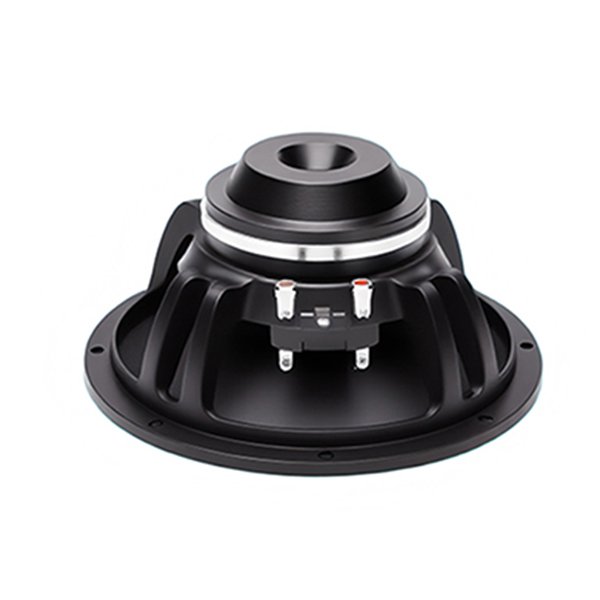
- Neodymium Magnet Systems: For higher magnetic strength in smaller, lighter packages.
- Advanced Diaphragm Materials: Combining materials like cellulose pulp, polypropylene, and composites with mica or glass fibers for optimal stiffness, damping, and low mass.
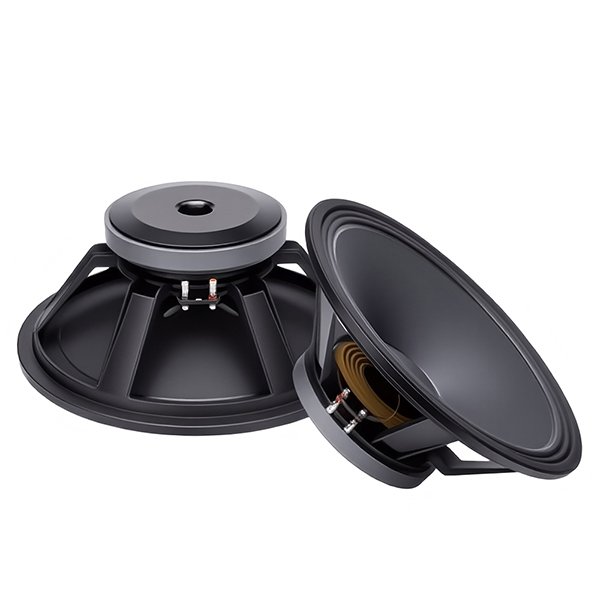
- Multi-Driver Configurations: Strategic use of specialized tweeters, midrange drivers, and woofers (often with butyl rubber surrounds) to cover the entire audible spectrum accurately.
- Integration with DSP: Drivers are increasingly designed in tandem with sophisticated Digital Signal Processing (DSP) algorithms that perform time alignment, crossover filtering, and cabin equalization.
Leaders in the Field: A Breakdown of Top Automotive Speaker Driver Suppliers
The market is served by a mix of dedicated audio component giants, vertically integrated audio system brands, and specialist manufacturers. Here are some of the most influential players.
1. Panasonic Automotive Systems: A titan in automotive electronics, Panasonic is a vertically integrated powerhouse. It doesn’t just supply drivers; it designs and manufactures complete audio systems for some of the world’s most prestigious brands. Their strength lies in deep OEM relationships and system-level integration, ensuring the speakers, amplifiers, and head units work in perfect harmony. They are a key supplier to Tesla, providing immersive audio systems that are consistently highly reviewed.
2. Harman International (A Samsung Company): Harman is synonymous with premium automotive audio through its iconic brands: JBL, Harman Kardon, AKG, and Mark Levinson. As a full-system provider, Harman controls the entire signal chain. Their driver technology often features innovations like edge-driven textile dome tweeters for smooth high-frequency response and carbon-filled polypropylene cones for midrange clarity. Their QuantumLogic Surround و Clari-Fi restoration technologies are software solutions that depend on capable, high-excursion drivers to realize their full potential.
3. Bosch: Known for its broad automotive portfolio, Bosch’s expertise in MEMS (Micro-Electro-Mechanical Systems) and precision engineering extends into audio. Bosch speakers often emphasize reliability, durability, and value, serving a wide spectrum of the automotive market. They are particularly focused on integrating audio systems with other vehicle domains, such as safety (e.g., using audio speakers for Active Noise Cancellation and even as emergency alert systems for pedestrians in EVs).
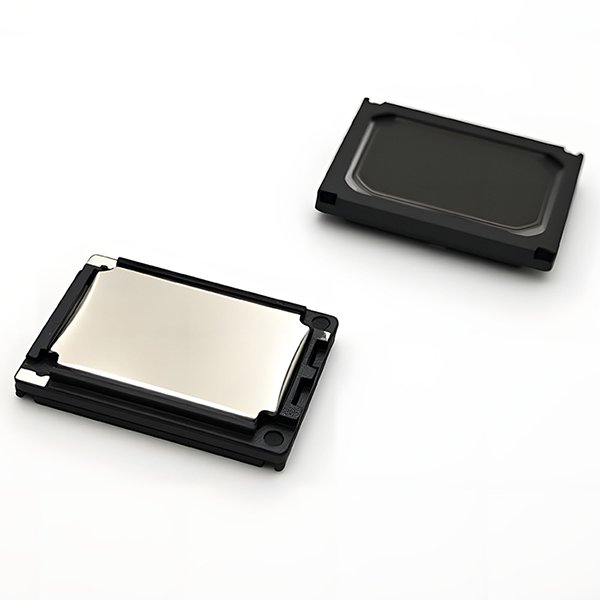
4. Foster Electric: A Japanese specialist and a true hidden champion in the global audio component industry. Foster is a pure-play component manufacturer, supplying high-performance speaker drivers to a vast array of system integrators and automakers who may not have their own in-house branding. They are renowned for their engineering excellence, consistency, and ability to produce drivers for exceptionally demanding applications, including ultra-thin designs for doors and pillars where space is at a premium.
5. Bose Corporation: A pioneer in bringing branded premium audio to mass-market automobiles, Bose operates as a systems engineering company. Their approach is holistic, starting with acoustic measurements of the specific vehicle cabin and designing every component—from proprietary drivers to amplifiers and signal processing—as a matched set. Bose innovations like Centerpoint virtual surround technology and their use of opposing woofers to cancel vibration rely on custom-designed, purpose-built driver units.
6. Alpine (A member of the Alps Alpine Group): While known for aftermarket head units, Alpine is a significant OEM supplier of complete audio systems. They leverage their motorsports and high-performance audio heritage to develop drivers capable of handling high power levels with low distortion. Alpine’s focus on “sound realism” drives their driver material research, particularly in creating rigid yet lightweight cones for accurate transient response.
Critical Performance Parameters: Evaluating Driver Unit Specifications
When engineers evaluate speaker drivers, they look beyond brand names to a set of core performance parameters. The following table outlines key specifications and their practical implications for automotive audio.
| Parameter | What It Measures | Why It Matters in Automotive Audio |
|---|---|---|
| Frequency Response | The range of frequencies (Hz to kHz) a driver can reproduce at a given output level (e.g., +/- 3dB). | A wide and flat response ensures full-range sound. In practice, systems use crossovers; a woofer may handle 40Hz-2kHz, a tweeter 2kHz-20kHz. |
| Sensitivity (dB @ 1W/1m) | The sound pressure level (SPL) produced with 1 watt of input power, measured at 1 meter. | High sensitivity (e.g., >90dB) means louder sound with less amplifier power, crucial for efficient vehicle electrical systems. |
| Power Handling (RMS) | The continuous power in watts a driver can handle without thermal or mechanical failure. | Determines the necessary amplifier output and overall system headroom for clean, dynamic peaks without distortion. |
| Impedance (Ohms) | The nominal electrical resistance of the voice coil, typically 2, 4, or 8 ohms. | Must match the amplifier’s stable operating load. Lower impedance (2-4 ohms) is common in cars to extract more power from low-voltage amplifiers. |
| التشوه التوافقي الكلي (THD) | The percentage of unwanted harmonic frequencies added to the original signal during playback. | Lower THD (<1% at reference level) means cleaner, more accurate sound, critical for vocal clarity and instrumental realism. |
| Qts, Fs, and Vas (Thiele/Small) | Parameters defining the electromechanical properties of the driver’s suspension and motor system. | Used to design optimal enclosures. In automotive applications, doors and panels are the enclosure, making these parameters vital for predicting in-situ performance. |
The Future of Automotive Audio: Emerging Trends and Supplier Strategies
The road ahead is rich with innovation. Suppliers are not just improving drivers but reimagining the acoustic ecosystem of the vehicle.
1. Sustainable Materials: Driven by ESG (Environmental, Social, and Governance) goals, suppliers are actively developing drivers using recycled plastics, natural fibers (like bamboo pulp or kenaf), and bio-based polymers for diaphragms and baskets without compromising performance.
2. Exciters and Surface Sound: To maximize cabin space and enable new interior designs, suppliers like Bose with their UltraNearfield technology and others are refining exciter-based systems. These devices turn large interior panels (headliners, pillars) into speaker diaphragms themselves, creating immersive, spatially precise sound zones for each occupant.
3. Integrated Audio & Wellness: The confluence of audio and occupant wellness is a frontier. Future systems will use speakers and microphones for Active Noise Cancellation (ANC) targeted at road noise, wind noise, and even specific tire harmonics. Furthermore, bespoke soundscapes—combining music, targeted frequency tones, and synthesized sounds—will be used to enhance alertness, promote relaxation, or mask unwanted noises.
4. Branded Audio Proliferation: The trend of co-branding with audio legends continues beyond the traditional premium segment. We now see brands like Sonos, Dynaudio, and even Bowers & Wilkins entering the automotive space. This pushes specialized driver manufacturers to create unique, signature transducer technologies that embody the sonic character of these consumer audio brands within the challenging automotive environment.
In conclusion, the selection of speaker driver unit suppliers is a strategic decision central to defining a vehicle’s acoustic personality. From vertically integrated system masters like Panasonic and Harman to specialist component engineers like Foster, the leaders are those who can merge material science, acoustic engineering, and software integration. As cars evolve into autonomous, electric, and connected living spaces, the companies that can deliver not just sound, but meaningful auditory experiences, will remain at the forefront of this dynamic and essential industry.
Professional Q&A: Speaker Driver Units in Automotive Applications
Q1: How do automotive speaker suppliers balance the need for high power handling with the limited electrical power available in a vehicle, especially in EVs?
أ: This is a core engineering challenge. Suppliers tackle it through a multi-pronged approach: First, they maximize sensitivity using powerful neodymium magnets and optimized motor structures to get more acoustic output per watt of input. Second, they work on thermal management, using materials like aluminum voice coil formers and advanced adhesives that can withstand higher temperatures, allowing the driver to dissipate heat more effectively. Third, system-level integration with highly efficient Class-D amplifiers is critical. These amplifiers can deliver high power with minimal electrical draw and heat generation, making them ideal for the constrained 12V/48V systems in EVs where preserving main battery range is paramount.
Q2: What are the key certification or performance standards that top-tier automotive speaker drivers must meet?
أ: Beyond basic electrical safety standards (e.g., ISO 26262 for functional safety where applicable), the most rigorous tests are for environmental and lifetime durability. Key standards include:
- Temperature Cycling: Testing from extreme cold (-40°C) to extreme heat (+85°C+).
- Thermal Shock & Humidity Resistance: Enduring rapid temperature changes and high-humidity environments (e.g., 85°C with 85% relative humidity).
- Mechanical Vibration & Shock: Surviving the constant vibrations of a moving vehicle and sudden impacts (potholes).
- UV and Chemical Resistance: Ensuring materials don’t degrade from sunlight or common interior cleaners.
- Longevity Testing: Drivers are often tested for thousands of hours at elevated power levels and temperatures to simulate a vehicle’s entire lifespan. OEMs have their own proprietary “dust and debris” tests for speakers mounted in doors. Meeting these standards is non-negotiable for any serious supplier.
Q3: For an automaker, what are the pros and cons of sourcing from a full-system provider (like Harman) versus a component specialist (like Foster)?
أ: This is a fundamental strategic choice.
- Full-System Provider (Harman, Bose, Panasonic):
- Pros: Simplified procurement, guaranteed system performance and brand association, deep integration with vehicle infotainment and noise management systems, single point of accountability.
- Cons: Potential for vendor lock-in, may be a higher-cost solution, the automaker may have less direct control over the specific component-level design.
- Component Specialist (Foster, Peerless, etc.):
- Pros: Often provides greater design flexibility and potential cost savings at the component level. Allows the automaker or their chosen system integrator to “mix and match” best-in-class components (drivers from one, amplifier from another, software from a third).
- Cons: Requires in-house acoustic engineering expertise to integrate components effectively. Places the performance validation and warranty responsibility on the automaker/integrator. Can lead to a more complex supply chain.
The choice often depends on the automaker’s internal capabilities, brand strategy (e.g., leveraging a well-known audio marquee), and the desired level of control over the final acoustic signature.