
The world of audio is built on a simple premise: translating electrical signals into the sound that moves us. Yet, the journey from a designer’s sketch to a finished speaker on your shelf is a complex symphony of engineering, materials science, and economics. For brands, retailers, and informed consumers, understanding the multifaceted cost factors in speaker manufacturing is crucial. It demystifies price tags, explains quality differentials, and highlights where value is engineered. This deep dive explores the primary cost drivers—from raw materials to global logistics—shaping the modern speaker market.
1. Core Material Costs: The Foundation of Sound
The bill of materials (BOM) often constitutes 30-50% of a speaker’s final manufacturing cost. This is the physical essence of the product, where quality and cost are inextricably linked.
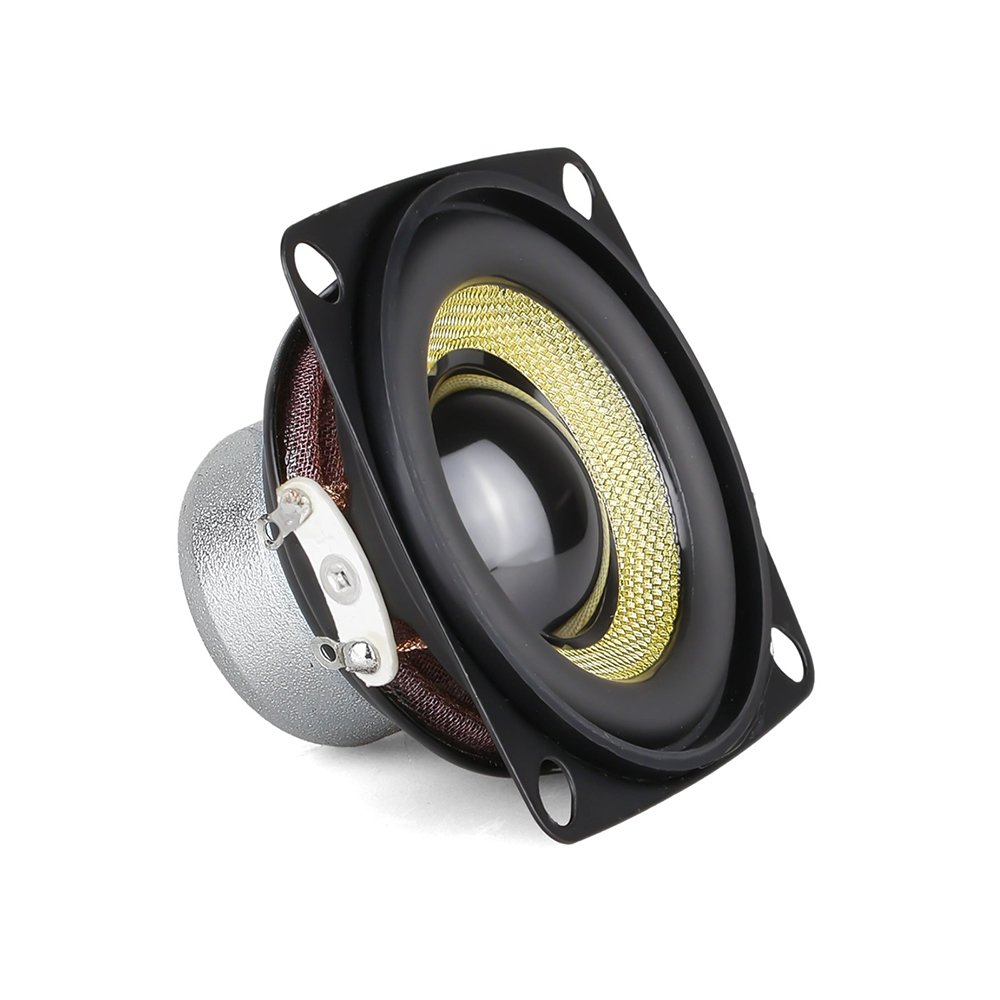
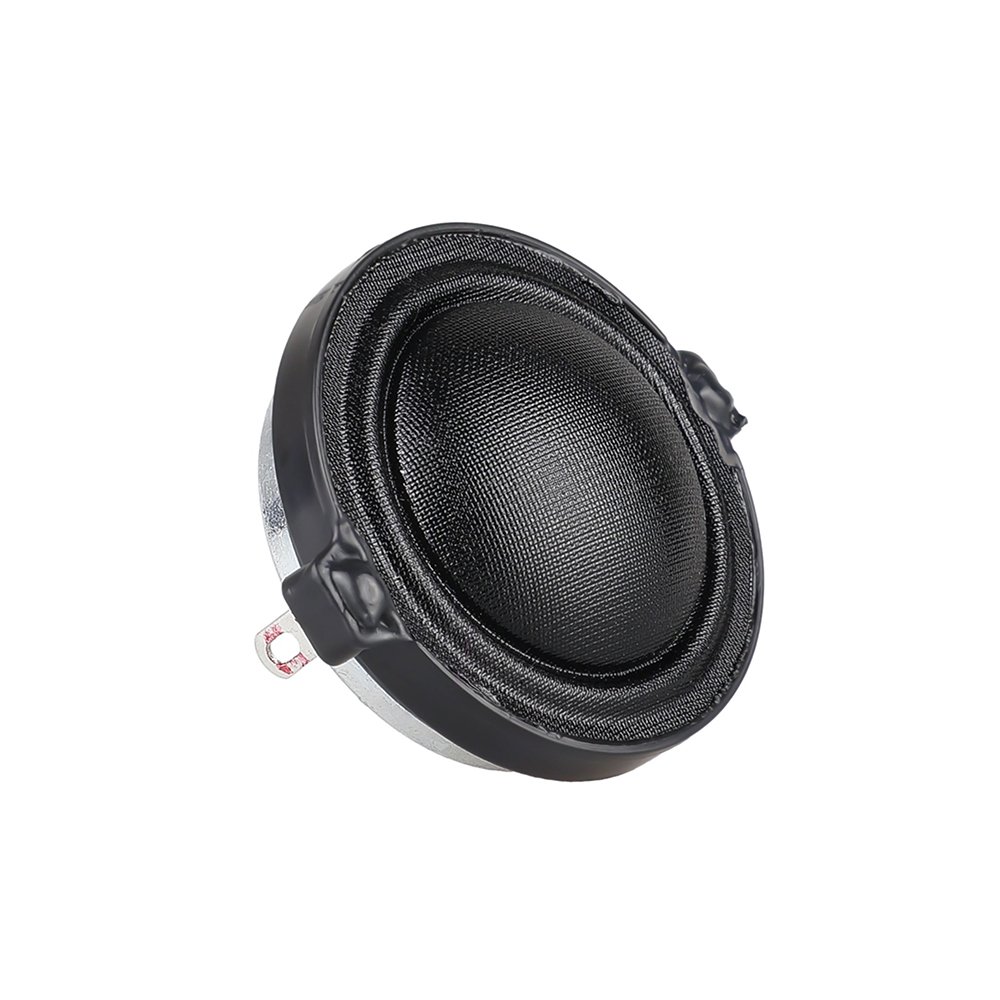
Driver Components: The heart of any speaker. Costs vary dramatically:
- Cones/Diaphragms: Paper pulp remains cost-effective, but advanced materials like polypropylene, aluminum, woven carbon fiber, or ceramic can increase costs tenfold. For high-end tweeters, materials like beryllium or diamond-coated domes command premium prices due to their exceptional stiffness and sonic properties.
- Magnets: The shift from standard ferrite magnets to neodymium (rare-earth) significantly impacts cost. While neodymium magnets are smaller and more powerful (benefiting compact designs), their price is volatile, tied to geopolitical factors and mining supply. A large, high-quality magnet assembly for a woofer is a major cost item.
- Voice Coils: Copper is standard, but aluminum (lighter, cheaper) or copper-clad aluminum (CCA) are alternatives. Larger coil windings and high-temperature materials like Kapton formers add expense but improve power handling.
Enclosure (Cabinet): This is far more than a box. It must be acoustically inert.
- Materials: Medium-Density Fiberboard (MDF) is the industry standard for its density and low resonance. Higher-end speakers use layered Baltic birch plywood or even machined solid wood. The push for portability drives use of molded plastics or composites, whose per-unit cost is lower but requires expensive initial tooling.
- Construction: A simple glued rectangle is cheap. Complex, curved, or braced cabinets require advanced CNC machining, skilled labor, and generate more waste, increasing cost exponentially. Finish adds another layer: vinyl wrap is economical; real wood veneers, high-gloss piano lacquer, or automotive-grade paints involve extensive, hand-applied labor.
Crossovers and Electronics: The speaker’s “brain.”
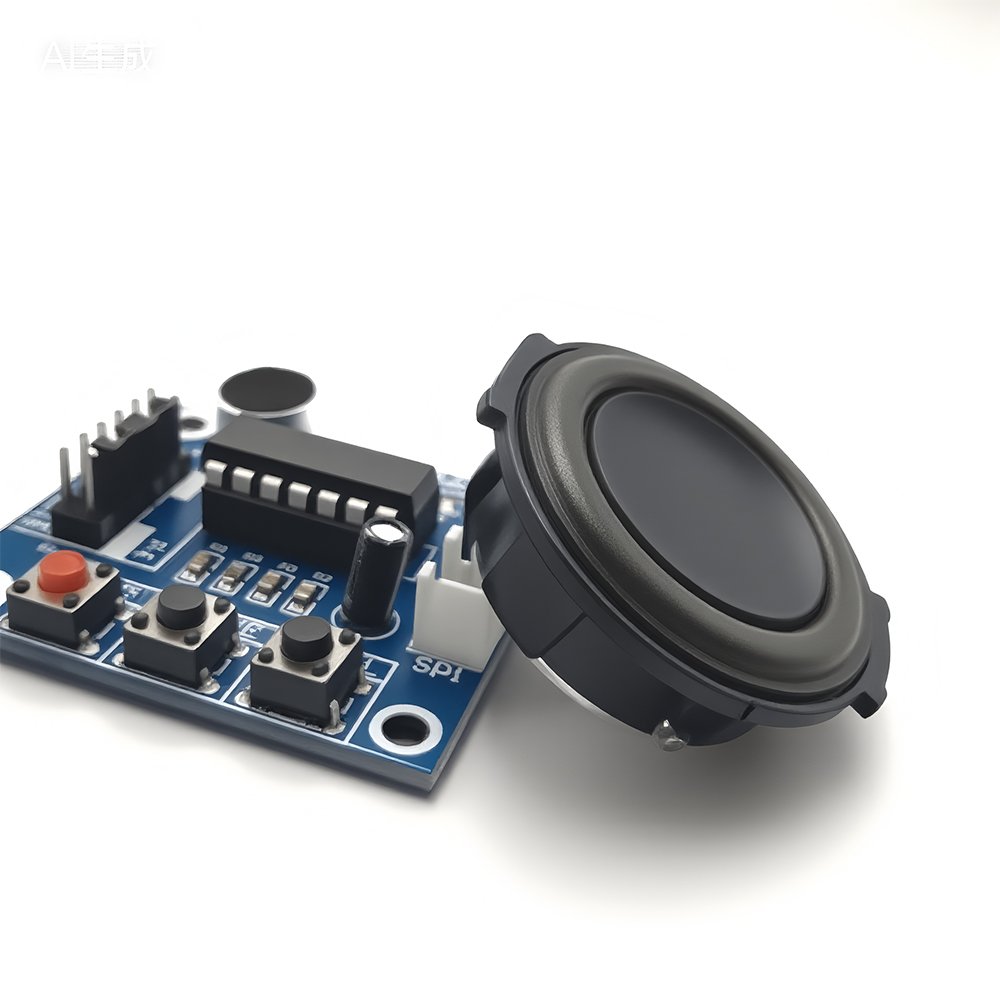
- Components: A basic crossover with a few capacitors and inductors is cheap. High-fidelity models use precision-grade, matched components (e.g., film capacitors, air-core inductors), whose cost can be 50-100x higher. For powered speakers, add the cost of amplifier modules, DACs, DSP chips, and power supplies—where chip shortages and semiconductor pricing directly affect BOM.
Table 1: Comparative Cost & Impact of Common Driver Materials
| عنصر | Material Options | Relative Cost | Primary Sonic/Performance Impact |
| :— | :— | :— | :— |
| Woofer Cone | Paper Pulp | Low | Natural sound, good damping, but can be inconsistent. |
| | Polypropylene | Low-Medium | Consistent, good damping, widely used in mid-range. |
| | Woven Carbon Fiber | High | Extremely stiff, low distortion, detailed bass. |
| Tweeter Dome | Soft Fabric (Silk, etc.) | Low-Medium | Smooth, detailed high-end. |
| | Aluminum/Magnesium | Medium | Detailed, but can be bright; requires careful design. |
| | Beryllium | Very High | Exceptional stiffness-to-weight, ultra-detailed, extended frequency response. |
| Magnet | Standard Ferrite | Low | Large and heavy for given magnetic force. |
| | Neodymium | High (Volatile) | Small, powerful, enables compact, efficient designs. |
2. Research, Development, and Acoustic Engineering
Before the first part is cut, significant investment flows into R&D. This is a fixed cost amortized over the production run, making it a critical factor in per-unit pricing, especially for low-volume, high-end models.
- Acoustic Design & Simulation: Engineers use sophisticated software (e.g., Finite Element Analysis, computational fluid dynamics) to model driver behavior, cabinet resonance, and port tuning. These software licenses and expert time are costly.
- Prototyping and Testing: Countless physical prototypes are built, measured in anechoic chambers, and subjected to rigorous listening tests. This iterative process consumes materials and hundreds of hours of skilled labor.
- Industrial Design & User Experience: The speaker’s aesthetic and interface design—from the feel of a grille to the click of a knob—requires design talent and usability testing. For smart speakers, UI/UX and app development add substantial software engineering costs.
3. Production, Labor, and Overhead
The transformation of materials into a finished product incurs its own set of costs, heavily influenced by geographic location and scale.
- Labor Costs: This is the most geographically variable factor. Manufacturing in China, Vietnam, or Eastern Europe offers lower hourly wages than in the US, Canada, or Western Europe. However, “hand-built” premium lines often leverage skilled craftspeople in higher-cost regions as a value proposition.
- Tooling and Automation: Injection molds for plastic parts or driver baskets can cost tens to hundreds of thousands of dollars. High-volume lines use automation (robotic arms, automated assembly lines) to reduce per-unit labor cost, but the capital expenditure is enormous. Low-volume, high-end speakers rely more on manual assembly and finishing.
- Quality Control (QC): A rigorous QC process, testing every unit for performance and defects, adds cost but is essential for brand reputation. This includes both electronic measurement and final auditory inspection.
4. Advanced Technologies and Features
Modern speakers are increasingly “smart,” integrating features that significantly add to the BOM and development cost.
- Amplification (Powered Speakers): Integrating a quality Class-D amplifier module, switch-mode power supply, and thermal management adds $20-$200+ to the BOM.
- Digital Signal Processing (DSP): DSP chips and the software to program them allow for room correction, precise crossover slopes, and driver optimization. This is now a standard cost in the mid-to-high tier.
- Wireless Connectivity: Licensing fees for technologies like Bluetooth (especially high-quality codecs like aptX Adaptive or LDAC) and Wi-Fi (AirPlay 2, Chromecast built-in, proprietary multi-room systems) add up. Each chipset (Bluetooth/Wi-Fi module) also adds to the BOM. Voice assistant integration (Amazon Alexa, Google Assistant) involves further licensing and certification costs.
- Sustainability & Compliance: Costs for RoHS (Restriction of Hazardous Substances), REACH, and other environmental compliance are baked in. Sourcing sustainable materials or designing for recyclability can also increase upfront costs.
5. Regulatory Compliance, Testing, and Certification
A speaker cannot be sold globally without passing stringent safety and emissions standards.
- Safety Certifications: UL (USA), CE (Europe), KC (Korea), etc., require testing by certified laboratories—a process costing thousands of dollars per model.
- Wireless Regulations: FCC (USA), IC (Canada), CE-RED (Europe) certifications for wireless emissions are mandatory and costly.
- Intellectual Property (IP) Licensing: This includes fees for patented acoustic technologies (e.g., certain waveguide designs) and audio codecs (Dolby Atmos, DTS:X for home theater).
6. Logistics, Marketing, and Margin Stack
The final cost to the consumer includes much more than just making the product.
- Shipping and Logistics: In 2024, while container shipping rates have normalized from pandemic highs, geopolitical tensions and canal disruptions keep logistics a volatile cost factor. Shipping heavy, bulky speakers by sea and air is expensive, as is domestic freight to distributors and retailers.
- Import Duties and Taxes: Tariffs vary by country and product category. For example, US tariffs on speakers imported from China directly impact the landed cost for American brands.
- Marketing and Distribution: Brand advertising, influencer partnerships, trade shows, and retailer margins (typically 30-50%) are all added to the manufacturer’s selling price to arrive at the MSRP (Manufacturer’s Suggested Retail Price).
- Warranty and Support: Budgeting for after-sales support and potential warranty claims (typically 1-5% of revenue) is a necessary operational cost.
Professional Q&A: Navigating Speaker Manufacturing Costs
Q1: With the volatility of neodymium prices, how are manufacturers adapting?
A1: Many are adopting a hybrid strategy: 1) Diversifying Supply Chains: Sourcing from multiple regions beyond China, such as Vietnam or new rare-earth processing facilities in the US and Australia. 2) Design Flexibility: Creating driver designs that can work adequately with both ferrite and neodymium magnets, allowing them to switch based on price and availability. 3) Efficiency Engineering: Using advanced motor design simulations to extract maximum performance from smaller or lower-grade magnets, optimizing the cost-to-performance ratio.
Q2: Is “hand-built” in a high-cost country always a marker of higher quality and cost?
A2: Generally, yes, but with nuance. Hand-building allows for meticulous quality control, precise assembly (e.g., glue application, driver alignment), and the use of labor-intensive finishing techniques. This inherently raises cost. The quality payoff is often in consistency, attention to detail, and the ability to implement complex designs that are not automation-friendly. However, a well-engineered, automated process in a premium factory can produce exceptionally consistent and high-quality results, sometimes at a lower final cost. The “hand-built” claim is often a marker of low-volume, artisan production, which commands a price premium.
Q3: What is the single most effective way manufacturers reduce costs without drastically compromising sound quality?
A3: Design for Manufacturing (DFM) and scaling volume. The most significant cost savings come from optimizing the design from the start for efficient production: simplifying cabinet shapes to reduce CNC time, standardizing driver components across a product line, and minimizing unique parts. Secondly, achieving higher sales volume allows the amortization of high fixed costs (R&D, tooling) over more units, dramatically lowering the cost per unit. This is why a speaker from a large, mainstream brand can offer surprising performance at a lower price than a boutique brand—economies of scale and world-class DFM.
Q4: How much do licensing fees for wireless tech add to the final consumer price?
A4: It’s a layered addition. A basic Bluetooth speaker might pay a modest fee to the Bluetooth SIG. However, a premium wireless speaker with Wi-Fi, support for high-resolution codecs (e.g., aptX HD, LDAC), and multi-room technology like Sonos or Apple AirPlay 2 can have combined licensing fees that add $5-$25+ to the BOM. These costs are then multiplied through the margin stack (manufacturer to distributor to retailer), potentially adding $15-$75 or more to the final retail price compared to an otherwise identical non-wireless model. This is a key reason “smart” features command a premium.