
في عالم تكنولوجيا الصوت الديناميكي، يستمر الطلب على مكبرات الصوت المصممة حسب الطلب - بدءًا من إعدادات المسرح المنزلي المخصصة وحتى التركيبات المؤسسية ذات العلامات التجارية وأنظمة الصوت المتخصصة للسيارات - في النمو. ومع ذلك، يتطلب الانتقال من مفهوم مكبر صوت فريد إلى منتج ملموس التعامل مع الحقائق العملية للتصنيع، حيث يُعد الحد الأدنى لكمية الطلب (MOQ) أحد أهم المداخل وأكثرها سوء فهم في كثير من الأحيان. سيرشدك هذا الدليل الشامل خلال كل ما تحتاج معرفته حول الحد الأدنى لكمية الطلب لمكبرات الصوت المخصصة، مما يمكنك من اتخاذ قرارات مستنيرة وفعالة من حيث التكلفة لمشروعك، سواء كنت رائد أعمال أو مهندس صوت أو متخصص مشتريات.
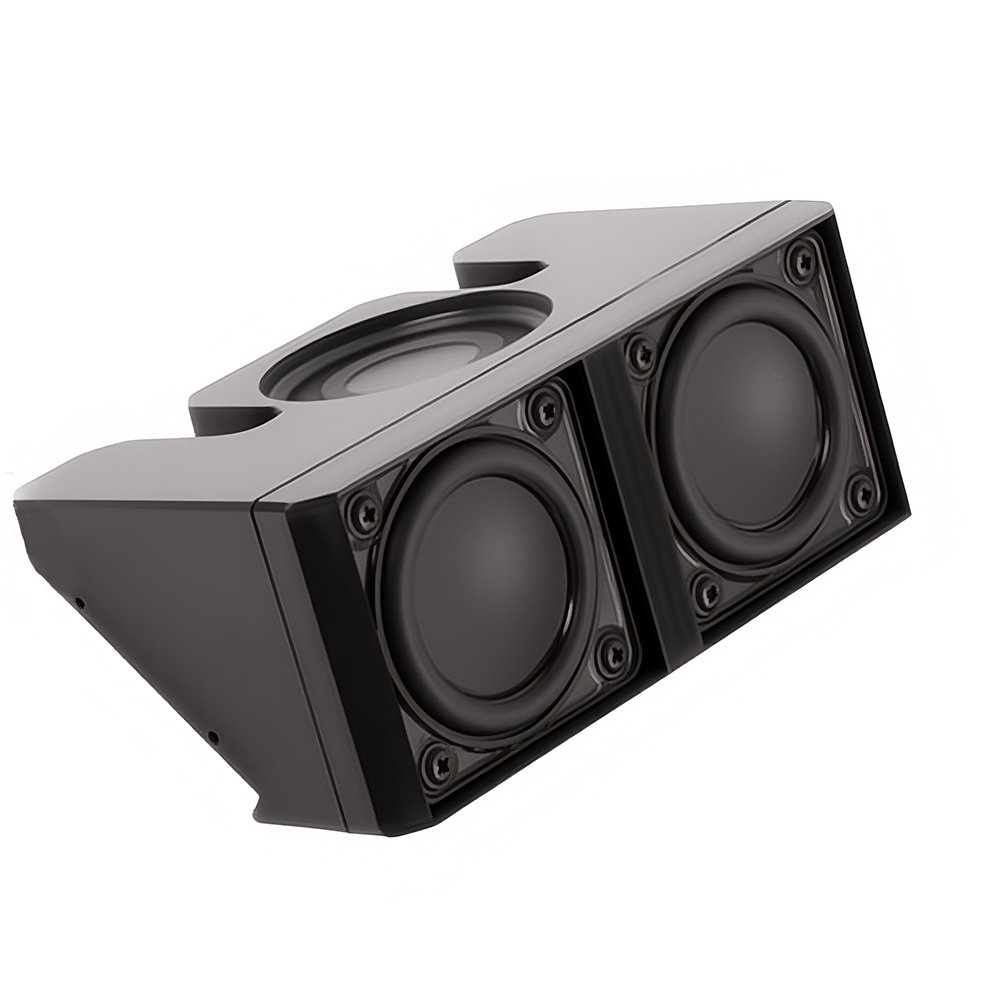
فهم الحد الأدنى لكمية الطلب (MOQ): أساس التصنيع المخصص
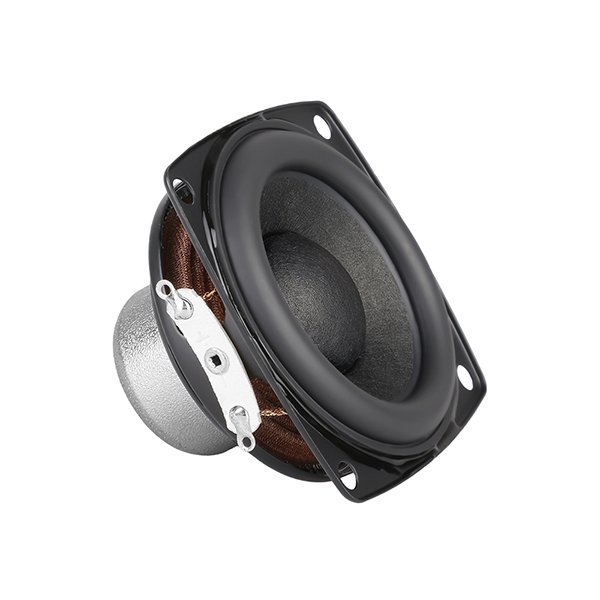
في جوهره، يُعد الحد الأدنى لكمية الطلب (MOQ) الحد الأدنى لكمية الطلب (MOQ) هو أصغر عدد من الوحدات التي يرغب المصنع في إنتاجها لطلب مخصص واحد. إنه ليس عائقًا تعسفيًا، بل ضرورة مالية للمصنعين. يتضمن إعداد خط إنتاج لمكبر صوت مخصص تكاليف ثابتة كبيرة: وقت هندسي للتصميم الصوتي وشبكات التقسيم، وبرمجة ومعايرة الآلات، وإنشاء قوالب مخصصة للهياكل والمحركات، وتوريد مكونات متخصصة. يتم توزيع هذه التكاليف على عدد الوحدات المنتجة. لا يمكن للحجم المنخفض ببساطة استيعاب هذا الاستثمار المسبق، مما يجعل سعر الوحدة مرتفعًا بشكل مانع.
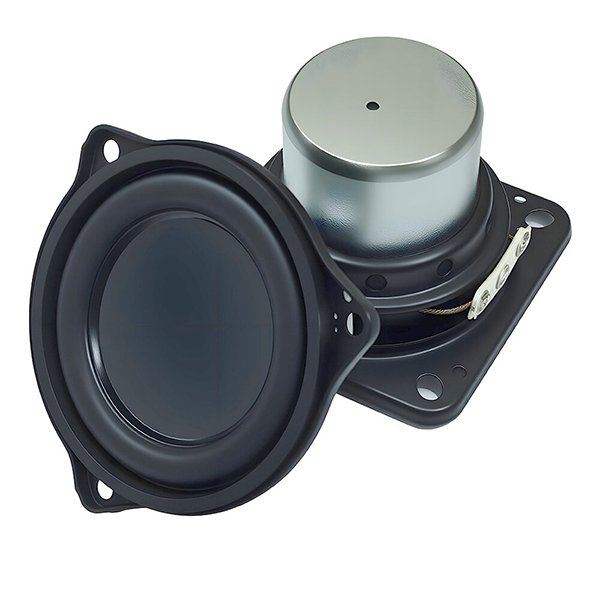
بالنسبة لمكبرات الصوت المخصصة، توجد مستويات متعددة للحد الأدنى لكمية الطلب (MOQ):
- الحد الأدنى لكمية الطلب على مستوى المكونات: يُطبق على الأجزاء المخصصة مثل الإطارات المختومة أو المصبوبة، ومواد المخروط المحددة، وملفات الصوت، والشبكات ذات العلامات التجارية.
- الحد الأدنى لكمية الطلب على مستوى التجميع: التجميع النهائي والاختبار وتغليف وحدة مكبر الصوت الكاملة.
- الحد الأدنى لكمية الطلب الإجمالي للمشروع: يُحدد عادةً بأعلى حد أدنى لكمية الطلب بين المكونات المخصصة، وغالبًا ما يكون قالب الهيكل أو تجميع المحرك.
فهم هذا التقسيم أمر بالغ الأهمية. قد تجد مصنعًا لديه حد أدنى منخفض لكمية الطلب للتجميع النهائي، ولكن إذا كان تصميمك يتطلب محركًا بحجم فريد مع حد أدنى مرتفع لكمية الطلب للمكونات، يصبح هذا الرقم الحاكم لمشروعك.
العوامل الرئيسية المؤثرة على الحد الأدنى لكمية الطلب لمكبرات الصوت المخصصة
الحد الأدنى لكمية الطلب لمشروع مكبر الصوت الخاص بك ليس رقمًا ثابتًا؛ إنه متغير يتأثر بخياراتك المحددة وقدرات المصنع. تشمل المحددات الرئيسية:
- درجة التخصيص: مكبر الصوت الذي يستخدم محركات جاهزة بالكامل في صندوق بقشرة خشبية مخصصة سيكون له حد أدنى لكمية الطلب أقل بكثير من مكبر يتطلب محركًا بأداة جديدة مع مخروط مركب ملكي وإطار من الألومنيوم المصبوب. كلما زادت العناصر التي تتطلب أدوات جديدة (قوالب، ركائز، أختام)، زاد الحد الأدنى لكمية الطلب.
- تعقيد المحرك: قلب مكبر الصوت. الأحجام القياسية (مثل مكبر الصوت الجهير 6.5 بوصة) والمواد لها حد أدنى أقل لكمية الطلب. الأحجام المخصصة، والمغناطيس النيوديميوم، ومعايير Thiele/Small المحددة، والمواد الغريبة (مثل الأغشية المصنوعة من البريليوم) تزيد من الحد الأدنى لكمية الطلب بشكل كبير.
- تصميم الهيكل والمواد: هيكل MDF مستطيل بسيط له تكاليف أدوات أقل. الهياكل المنحنية، أو العبوات البلاستيكية المقولبة بالحقن، أو الهياكل التي تستخدم مواد غير قياسية مثل خشب البتولا البلطيقي أو الألومنيوم تتطلب قوالب باهظة الثمن، مما يرفع الحد الأدنى لكمية الطلب.
- حجم المصنع وتركيزه: مصنع كبير ومؤتمت يخدم علامات تجارية عالمية قد يكون لديه حد أدنى لكمية الطلب بالآلاف. ورشة عمل أصغر “يدوية” متخصصة في مكبرات الصوت الفاخرة قد تستوعب حدًا أدنى لكمية الطلب يصل إلى 50-100 زوج، وإن كان بسعر أعلى لكل وحدة.
- معايير الجودة وبروتوكولات الاختبار: المصنعون الذين يلتزمون بمعايير اختبار صارمة (مثل استجابة التردد الكاملة في غرفة الصدى، وتحليل التشويه، واختبار المتانة طويل الأمد) يدمجون تكاليف ضمان الجودة هذه في عتبة الحد الأدنى لكمية الطلب الخاصة بهم.
معايير الحد الأدنى لكمية الطلب في الصناعة (بيانات 2024)
يوضح الجدول التالي كيف يمكن أن يختلف الحد الأدنى لكمية الطلب بناءً على نطاق المشروع ونوع المصنع.
| مستوى المشروع | مستوى التخصيص النموذجي | نطاق الحد الأدنى لكمية الطلب المقدر (وحدات) | المحرك الرئيسي للتكلفة |
|---|---|---|---|
| مستوى الدخول / معدّل قياسي | تشطيب/شبكة مخصصة على نموذج مكبر صوت قياسي؛ خيارات العلامة البيضاء OEM. | 100 – 500 زوج | التغليف، العلامات التجارية، أدوات التجميل البسيطة. |
| المستوى المتوسط / شبه مخصص | تصميم هيكل مخصص مع محركات جاهزة مختارة وشبكات تقسيم. | 300 – 1,000 زوج | أدوات الهيكل (برمجة CNC، ركائز)، شراء دفعة من المكونات القياسية. |
| المستوى العالي / مخصص بالكامل | تصميم ملكي بالكامل: محركات مخصصة، هيكل، وشبكة تقسيم. | 1,000 – 5,000+ زوج | أدوات المحرك (قوالب للإطار، المخروط، مجموعة المغناطيس)، إنتاج لوحات الدوائر المطبوعة المعقدة للتقسيم. |
| المستوى الحرفي / الفاخر | مصنوع يدويًا، مواد فائقة الجودة، إصدارات محدودة. | 10 – 50 زوج | حرفية كثيفة العمالة، الحد الأدنى لشراء المواد الغريبة. |
استراتيجيات تحسين مشروعك للحصول على حد أدنى مناسب للكمية المطلوبة (MOQ)
قد يكون الحد الأدنى المرتفع للكمية المطلوبة (MOQ) عائقًا أمام المشروع، لكن التخطيط الاستراتيجي يمكنه غالبًا جعله في متناول اليد.
- اعتماد التصميم المعياري: هل يمكن تصميم المشغل المخصص ليتناسب مع حجم إطار قياسي؟ هل يمكن للخزانة استخدام نسخة معدلة من قالب موجود؟ العمل ضمن بعض القيود القياسية يقلل بشكل كبير من تكاليف القوالب والحد الأدنى للكمية المطلوبة (MOQ).
- الإطلاق المرحلي: بدلاً من إنتاج جميع موديلات السماعات في تشكيلة كاملة دفعة واحدة، ابدأ بالموديل الأكثر أهمية (مثل سماعة الرف) لتلبية الحد الأدنى الأولي للكمية المطلوبة (MOQ). استخدم الإيرادات والتحقق من السوق لتمويل الموديلات اللاحقة (القناة المركزية، مضخم الصوت).
- توحيد المكونات: استخدم نفس المشغل المخصص عبر عدة موديلات سماعات في تشكيلتك. هذا يزيد من الحجم الإجمالي لذلك المكون، مما قد يخفض الحد الأدنى الفعلي للكمية المطلوبة (MOQ) والتكلفة لكل وحدة.
- استكشاف التوريد المختلط: فكر في توريد المكونات المخصصة ذات الحد الأدنى المرتفع للكمية المطلوبة (MIQ) (مثل المشغلات) من مصنع متخصص وشحنها إلى منشأة تجميع منفصلة ذات حد أدنى أقل للكمية المطلوبة (MOQ) للتجميع. هذا يضيف تعقيدًا لوجستيًا لكنه يمكن أن يخفض الالتزام الأولي بالوحدات.
- التواصل الشفاف: قدم ورقة مواصفات (SPEC) واضحة ومفصلة للمصنعين المحتملين. الطلبات الغامضة تؤدي إلى تقديرات عالية للطوارئ. إظهار مشروع احترافي ومدروس جيدًا يزيد من ثقة المصنع، مما يؤدي أحيانًا إلى شروط أكثر مرونة.
معادلة التكلفة الحقيقية: الحد الأدنى للكمية المطلوبة (MOQ) مقابل سعر الوحدة مقابل إجمالي الاستثمار
لا ينبغي أن يطغى السعي للحصول على حد أدنى منخفض للكمية المطلوبة (MOQ) على تحليل التكلفة الإجمالية. قد يكون لدى مصنع يقدم حدًا أدنى للكمية المطلوبة (MOQ) يبلغ 100 وحدة سعر وحدة أعلى بنسبة 40% من مصنع لديه حد أدنى للكمية المطلوبة (MOQ) يبلغ 1000 وحدة.
تحليل السيناريو:
- المصنع أ: الحد الأدنى للكمية المطلوبة (MOQ): 100 وحدة | سعر الوحدة: 120 دولارًا إجمالي تكلفة المشروع: 12,000 دولار
- المصنع ب: الحد الأدنى للكمية المطلوبة (MOQ): 1000 وحدة | سعر الوحدة: 75 دولارًا إجمالي تكلفة المشروع: 75,000 دولار
بينما يكون الإنفاق النقدي الأولي للمصنع أ أقل، يقدم المصنع ب تكلفة وحدة أفضل بكثير، وهو أمر حاسم للربحية والقدرة التنافسية في السوق. يعتمد القرار على رأس مالك، وسعة التخزين، وثقة توقعات المبيعات، واستراتيجية الوصول إلى السوق. في بعض الأحيان، يمكن أن تساعد الشراكة مع المستثمرين أو استخدام حملات الطلب المسبق في سد فجوة رأس المال للوصول إلى مستوى أعلى من الحد الأدنى للكمية المطلوبة (MQ) بتكلفة أقل.
المستقبل والخطوات العملية الأولى
يتطور مشهد تصنيع السماعات المخصصة. التقدم في الطباعة ثلاثية الأبعاد للنماذج الأولية والإنتاج القصير للأجزاء المعقدة مثل أدلة الموجات أو مكونات المشغلات بدأ في خفض الحواجز أمام الدفعات الصغيرة جدًا. علاوة على ذلك، أدى نمو إنترنت الأشياء الصوتي والسماعات الذكية إلى خلق نظام بيئي لموردي المكونات المعيارية، مما قد يقلل من تكاليف التخصيص.
خطواتك الفورية يجب أن تكون:
- إنهاء مواصفات التصميم الخاصة بك: احصل على رسومات مفصلة بأبعاد وأهداف أداء محددة.
- إعداد طلب عرض أسعار (RFQ) احترافي: يشمل المواصفات، وسعر الهدف، والجدول الزمني المطلوب، والكميات السنوية المتوقعة.
- البحث عن المصنعين بذكاء: استخدم منصات مثل Alibaba أو Thomasnet أو الإحالات الصناعية. ركز على الموردين ذوي الخبرة القابلة للتحقق في فئة السماعات الخاصة بك (مثل الصوت المنزلي، الصوت الاحترافي، الصوت للسيارات).
- طلب تكاليف النمذجة الأولية: أي مصنع ذو سمعة جيدة سيقدم خدمة النمذجة الأولية (بتكلفة) قبل الالتزام بالإنتاج الضخم. هذا أمر غير قابل للتفاوض لضمان الجودة.
- التخطيط للامتثال: ضع في الاعتبار التكاليف وتأثيرات الحد الأدنى للكمية المطلوبة (MOQ) للشهادات الضرورية مثل FCC أو CE أو RoHS، والتي قد تتطلب دفعات إنتاج مخصصة للاختبار.
أسئلة وأجوبة احترافية حول الحد الأدنى للكمية المطلوبة (MOQ) للسماعات المخصصة
س: هل يمكنني التفاوض على الحد الأدنى للكمية المطلوبة (MOQ) مع المصنع؟
أ: نعم، التفاوض ممكن دائمًا، لكنه مقايضة. يمكنك عرض سعر أعلى لكل وحدة، أو الالتزام بحجم طلبات مستقبلية في عقد، أو تقليل مستويات التخصيص. الحجة الأكثر إقناعًا هي إظهار مسار واضح لطلبات أكبر ومتكررة.
س: كيف أثرت حالة سلسلة التوريد العالمية بعد عام 2020 على الحد الأدنى للكمية المطلوبة (MOQ) للسماعات؟
أ: بينما تراجعت الاضطرابات، لا يزال التركيز على مرونة سلسلة التوريد قائمًا. يحتفظ العديد من المصنعين الآن بمخزون احتياطي أعلى من المواد الخام (مثل المغناطيس، البلاستيك، أشباه الموصلات للسماعات النشطة)، مما قد يزيد من قاعدة تكاليفهم. لتعويض ذلك، رفع البعض الحد الأدنى للكمية المطلوبة (MOQ) لضمان كفاءة الإنتاج. على النقيض، هناك اتجاه متزايد نحو الإقليمية—التوريد من مصانع أقرب—والتي قد يكون لها هياكل حد أدنى للكمية المطلوبة (MOQ) مختلفة عن مراكز التصنيع الآسيوية التقليدية.
س: هل يختلف الحد الأدنى للكمية المطلوبة (MOQ) للسماعات اللاسلكية/بلوتوث عن سماعات Hi-Fi السلبية؟
أ: بشكل كبير. تتضمن السماعات اللاسلكية إلكترونيات إضافية (لوحات PCBA، بطاريات، وحدات بلوتوث/واي فاي) يتم توريدها من سلاسل توريد مختلفة. غالبًا ما يتم تحديد الحد الأدنى للكمية المطلوبة (MOQ) بواسطة المكون الإلكتروني ذي أعلى حد أدنى للكمية المطلوبة (MOQ) (غالبًا PCBA المخصص أو شريحة معينة)، والذي يمكن أن يكون أكثر تقلبًا. سيقوم المصنع الماهر بتوحيد الحد الأدنى للكمية المطلوبة (MOQ) للتجميعات الصوتية والإلكترونية.
س: ما هو وقت التسليم النموذجي من الطلب إلى التسليم لسماعة مخصصة عند الحد الأدنى للكمية المطلوبة (MOQ)؟
أ: باستثناء النمذجة الأولية (التي قد تستغرق 60-90 يومًا)، تتراوح أوقات التسليم للإنتاج لطلب الحد الأدنى للكمية المطلوبة (MOQ) الأولي في عام 2024 عادةً من من 90 إلى 120 يومًا. يشمل ذلك توريد المواد الخام (خاصة للمكونات المخصصة)، وجدولة خط الإنتاج، والتجميع، والاختبارات الصارمة (اختبار التشغيل، ومراقبة الجودة)، والشحن. قد تستغرق المشاريع المعقدة أو تلك التي تتم خلال مواسم الذروة (الربع الثالث/الربع الرابع) وقتًا أطول. يُرجى دائمًا تضمين هذا الجدول الزمني في خطة إطلاق منتجك.
س: هل من الممكن البدء بدفعة “إثبات المفهوم” بأقل من الحد الأدنى الرسمي لكمية الطلب (MOQ)؟
أ: تقدم بعض المصانع “دفعة تطوير” أو “تشغيل ما قبل الإنتاج” بكميات أقل من الحد الأدنى التجاري القياسي لكمية الطلب. ستكون تكلفة الوحدة أعلى بشكل كبير، لأنها لا تستوعب تكاليف القوالب بشكل فعال، لكنها تسمح باختبار السوق، أو تلبية طلبات التمويل الجماعي، أو الحصول على تقييمات مبكرة. يُعد هذا حلاً وسطًا قيّمًا بين النموذج الأولي الفردي والالتزام بالإنتاج الضخم الكامل.