
تخيل أنك تستمع إلى ألبومك المفضل عبر زوج من السماعات الراقية. المسار الأول مثالي—جهير عميق ورنان، ترددات عليا فائقة الوضوح، ومجال صوتي يمنحك إحساسًا بالغمر. تنتقل إلى زوج آخر، نفس الطراز من نفس العلامة التجارية، وتجد شيئًا مختلفًا بشكل خفي. الجهير يبدو أضعف قليلاً، والمدى الأوسط أجوف بعض الشيء. هذا ليس عيبًا في التصميم أو منتجًا معطوبًا؛ بل هو الشبح الكامن في آلة صناعة الصوت بأكملها: عدم الاتساق في تصنيع وحدات السماعات المحركة.
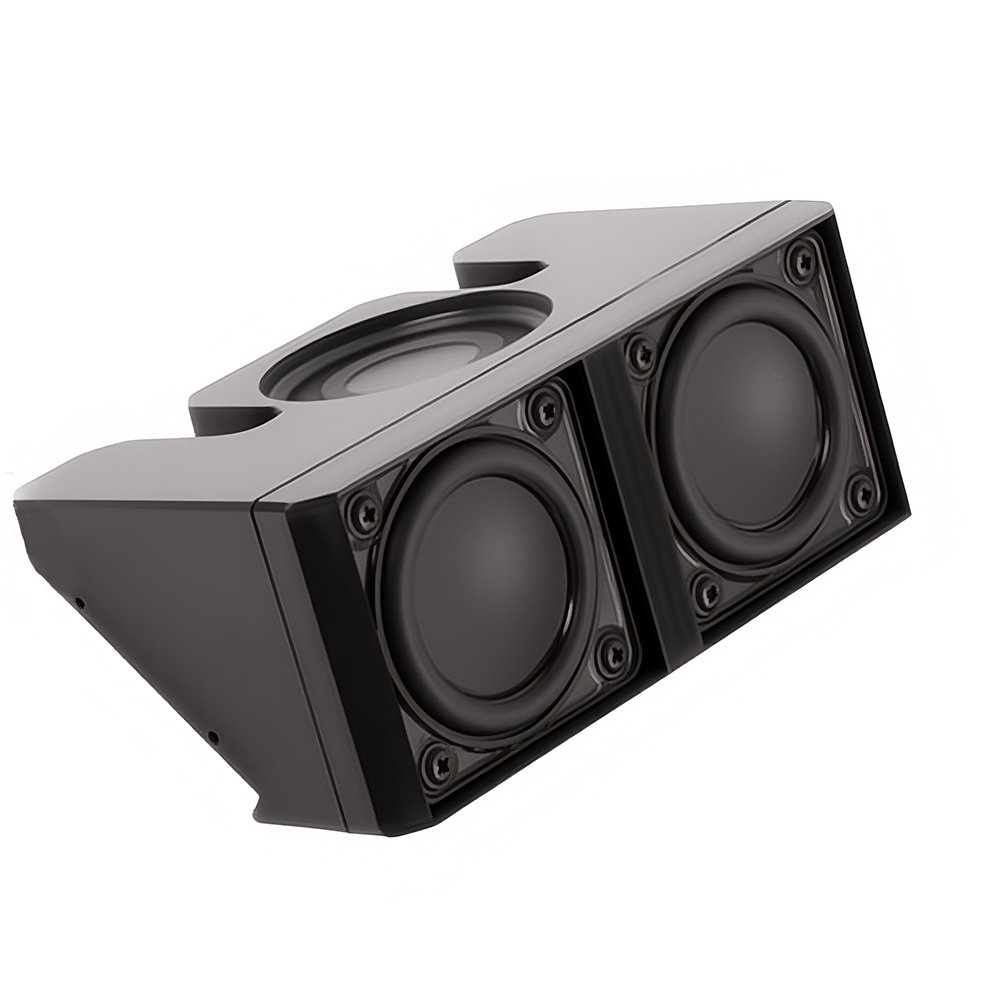
بالنسبة لموردي هذه المكونات الحيوية—المحولات التي تحول الإشارات الكهربائية إلى صوت—فإن تحقيق الاتساق والحفاظ عليه ليس مجرد هدف جودة؛ بل هو تحدٍ وجودي. يقع هذا التحدي عند تقاطع علم المواد المتقدم، والهندسة الدقيقة، والتحكم الدقيق في العمليات. بينما يحتل الابتكار في تقنيات المحركات عناوين الأخبار، فإن السعي الدؤوب وغير البراق نحو التوحيد بين الوحدات هو ما يحدد حقًا مكانة المورد المتميز ويحدد أداء المنتج الصوتي النهائي.
جوهر المشكلة: المواد، التفاوتات المسموحة، والعوامل البشرية
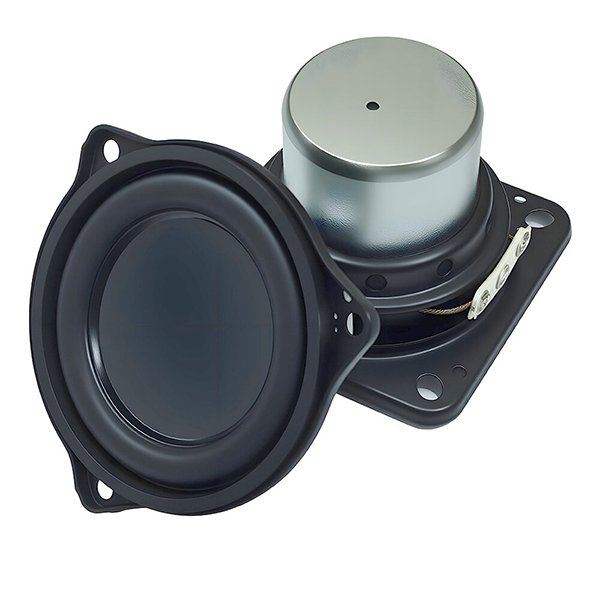
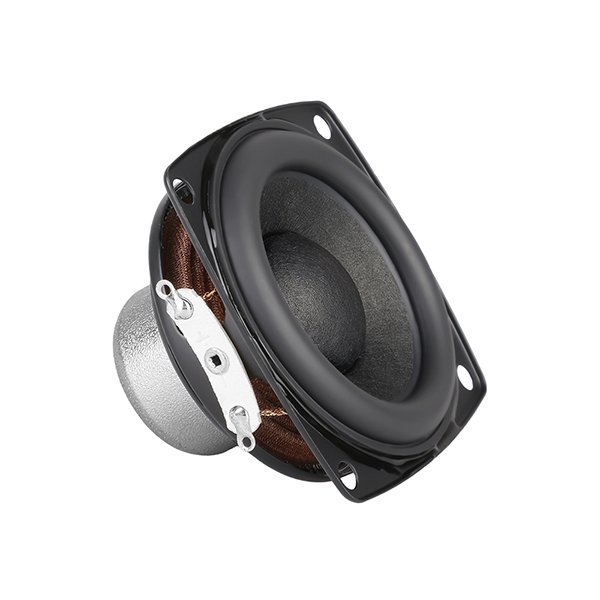
وحدة السماعة المحركة هي جهاز بسيط في ظاهره. في جوهرها، تتكون من مجموعة مغناطيس، ملف صوتي، غشاء (مخروطي، مقبب، إلخ)، ونظام تعليق (عنكبوتي وحافة). ومع ذلك، فإن كل عنصر من هذه العناصر هو مصدر محتمل للتباين.
علم المواد ليس علمًا دقيقًا: خصائص المواد الرئيسية متغيرة بطبيعتها. على سبيل المثال، كثافة التدفق المغناطيسي لمغناطيس النيوديميوم يمكن أن تختلف بين الدفعات. كما أن صلابة وكثافة وخصائص التخميد لمواد الغشاء—سواء كانت لب الورق، أو البولي بروبيلين، أو المركبات المتقدمة مثل PEN أو البريليوم—تتأثر بالظروف البيئية أثناء الإنتاج وعدم اتساق مصادر التوريد. حتى المواد اللاصقة المستخدمة في تجميع هذه الأجزاء لها أوقات معالجة وقوى ربط يمكن أن تتقلب مع الرطوبة ودرجة الحرارة.
تفاوتات مجهرية، تأثير هائل: يجب أن يكون الملف الصوتي متمركزًا تمامًا في الفجوة المغناطيسية، مع تفاوتات تُقاس غالبًا بالميكرومتر (µm). انحراف بضعة ميكرونات فقط يمكن أن يسبب احتكاكًا وطنينًا، مما يشوه الصوت. محاذاة الغشاء، واتساق تطبيق المادة اللاصقة للملف، والتوتر الدقيق للعنكبوت—كل هذه الاختلافات “المجهرية” تتراكم لتنتج فروقًا قابلة للقياس في معاملات ثيل-سمول (مثل تردد الرنين Fs, ، معامل الجودة الكلي Qts, ، والامتثال المكافئ Vas). هذه المعاملات تتنبأ مباشرة بأداء المحرك في الترددات المنخفضة وتفاعله مع العلبة الصوتية.
العنصر البشري في عالم عالي الدقة: على الرغم من زيادة الأتمتة، فإن العديد من الخطوات الحرجة، مثل التجميع النهائي، والفحص، وحتى بعض عمليات اللف، قد تشمل مشغلين بشريين. هذا يُدخل احتمالية التباين في التقنية، والضغط المطبق، والمحاذاة. قدرة المورد على تدريب الموظفين وتصميم عمليات مقاومة للأخطاء (poka-yoke) أمر بالغ الأهمية.
يلخص الجدول أدناه المتغيرات الرئيسية في عملية تصنيع المحركات وتأثيرها على الاتساق:
| متغير التصنيع | التأثير على أداء المحرك واتساقه |
|---|---|
| تباين كثافة التدفق المغناطيسي | يغير قوة المحرك (ناتج BL)، مما يؤثر على الحساسية واستجابة الجهير. |
| اتساق لف الملف الصوتي | يؤثر على المعاوقة الكهربائية، وتحمل الطاقة، والأداء الحراري. |
| كثافة/صلابة مادة الغشاء | يغير أنماط التكسر واستجابة التردد، خاصة في المدى الأوسط. |
| وقت وكمية معالجة المادة اللاصقة | يؤثر على التخميد، والعمر الافتراضي، ويمكن أن يسبب تباينًا في الكتلة. |
| تمركز الملف الصوتي في الفجوة | يسبب تشويهًا، واحتكاكًا وطنينًا، وانخفاضًا في القدرة على الحركة. |
| صلابة نظام التعليق (العنكبوتي/الحافة) | يغير مباشرة Fs و Qms, ، مما يغير ضبط الترددات المنخفضة. |
العواقب عالية المخاطر لعدم الاتساق
التأثيرات المتتابعة لعدم اتساق المحركات محسوسة عبر سلسلة التوريد الصوتية بأكملها، بتكاليف مالية وسمعية خطيرة.
بالنسبة لصانع المعدات الأصلية (OEM) (علامة السماعات/السماعات الرأسية):
- تباين أداء المنتج: المنتجات النهائية من نفس دفعة الإنتاج يمكن أن يكون لها اختلافات مسموعة، مما يؤدي إلى معدل أعلى من مرتجعات العملاء والمراجعات السلبية.
- زيادة تكاليف الإنتاج: للتعويض عن التباين، قد يحتاج صانعو المعدات الأصلية إلى تنفيذ اختبار بنسبة 100% و“الفرز” (تصنيف المحركات إلى أزواج متطابقة الأداء)، وهي عملية بطيئة ومكلفة. أشار تقرير صادر عن جمعية الهندسة الصوتية في عام 2024 إلى أن ما يصل إلى 15% من وقت خط التجميع للسماعات الرأسية الفاخرة يُخصص لمطابقة المحركات وإعادة العمل لضمان الجودة بسبب تباين الموردين.
- حل وسط في التصميم: يجب على المهندسين تصميم الدوائر والعلب لتكون متسامحة مع نطاق أداء أوسع، مما قد يضحي بأداء الذروة من أجل تحسين الإنتاجية.
بالنسبة للمورد:
- تآكل الثقة وفقدان العقود: عدم الاتساق هو أسرع طريقة لخسارة الأعمال مع العلامات التجارية الكبرى. غالبًا ما تتضمن العقود معايير صارمة لمستوى الجودة المقبول (AQL) مع عقوبات شديدة لعدم الامتثال.
- الخردة وإعادة العمل: الوحدات الفاشلة تعني هدرًا في المواد والعمالة، مما يؤثر مباشرة على النتيجة النهائية.
- خنق الابتكار: 本可用于新材料或新设计研发的资源,反而被投入到解决基础质量控制问题中。.
对于终端消费者:
- “抽奖”效应: 客户体验变成了一场赌博。他们可能收到一双表现出色的“黄金”产品,也可能收到一双平庸的产品,从而削弱品牌忠诚度。.
- 价值受损: 不一致性贬低了高保真音频的整个价值主张,而高保真音频本应基于精确且可重复的声音再现。.
实现一致性的路径:技术、流程与文化
领先的供应商从多个方面攻克一致性挑战,将他们的运营从手工作坊转变为数据驱动的精密工厂。.
1. 先进工艺自动化与机器人技术: 自动化重复性和关键任务至关重要。用于点胶的机械臂确保每次胶珠大小和位置一致;配备激光测量反馈的自动音圈绕线机保证匝数、层对齐和张力的一致性;用于电机结构(导磁板和导磁柱)的CNC加工确保亚微米级公差。.
2. 在线实时测量与AI驱动的质量保证: 范式正在从“最终测试”转向“每一步测量”。激光扫描仪测量振膜轮廓;计算机视觉系统在组装前后检查音圈对齐;自动测试夹具测量每个下线单元的Thiele-Small参数和频率响应。 每个单元 下线时均经过检测。如Tymphany和Peerless by Tymphany等行业领导者所示,最新趋势是使用机器学习算法分析海量生产数据。这些AI系统能够基于早期测量预测最终性能,并识别工艺变量与结果之间人类工程师可能忽略的微妙关联,从而实现预防性修正。.
3. 统计过程控制(SPC)与可追溯性: SPC并非新概念,但其与现代传感器和制造执行系统(MES)的结合则是新的。每个关键组件都可贴有条形码或RFID标签,关联到其来源批次、加工机器和操作员。如果检测到偏差, Fs 系统可追溯到特定批次的定心支片材料或工厂车间特定时间的环境湿度变化。根据2023年亚洲扬声器单元制造中心的基准研究,顶级供应商对关键组件的可追溯性超过95%,而普通供应商则低于60%。.
4. 供应商合作与联合工程: 最优秀的OEM厂商不仅仅是采购扬声器单元,而是与供应商共同开发。这包括共享详细的目标性能窗口、合作选择材料,并通常资助或共同投资供应商的精密制造设备。这种深度合作使激励措施保持一致,使一致性成为共同资助的使命,而非采购要求。.
未来:一致性作为创新的平台
最终,攻克一致性并非终点,而是基础平台。一旦供应商掌握了可预测、可重复的生产,就能释放真正的创新。.
- 大规模定制: 在完美的过程控制下,经济地生产小批量高度专业化的扬声器单元(例如用于助听器、特定VR/AR头显或专业录音室监听音箱)成为可能。.
- 新材料应用: 当基础工艺稳定时,集成石墨烯复合材料或超材料等新型材料的风险大大降低。工程师可以隔离新材料本身的变量。.
- “数字孪生”扬声器单元: 每个物理扬声器单元可附带其测量性能的精确数字模型,使OEM厂商能够使用数字信号处理(DSP)以前所未有的精度定制声音特性,将微小的物理差异转化为可通过软件修正的非问题。.
对于扬声器单元供应商而言,追求一致性是一场持续的工程马拉松,而非短跑。它需要投资尖端技术、培养痴迷于数据和细节的文化,并致力于与合作伙伴深度协作。在高保真音频世界中,追求完美本身就是产品,掌握一致性的供应商不仅交付组件,更交付信任,并因此成为整个行业交响乐中无声且不可或缺的指挥家。.
关于扬声器单元一致性的专业问答
问题1:对于音频产品OEM厂商,在潜在扬声器单元供应商的质量控制报告中,应重点审查哪些关键指标?
أ: 不要只看标准的“合格/不合格”率。要求提供以下数据: Cp/Cpk(过程能力指数) 针对关键参数,如 Fs, Re(直流电阻) 和灵敏度。Cp/Cpk > 1.33 表示过程能力良好。要求提供这些参数分布的直方图——您需要的是紧凑的正态分布。此外,询问他们的 AQL(可接受质量水平) 抽样计划以及他们在 PPM(百万分之缺陷率). 方面的记录。2024年的实时数据显示,精英供应商在关键性能参数上的PPM率已低于500。.
问题2:DSP和有源音箱的兴起如何改变了一致性挑战?
أ: DSP是一把双刃剑。一方面,它提供了强大的工具来修正某些扬声器单元差异(例如,通过均衡器平滑频率响应偏差)。这允许OEM厂商使用公差稍宽的扬声器单元。然而,它增加了 电气参数一致性 的重要性(尤其是 Re(直流电阻) و Le(电感) ),因为这些参数直接影响放大器和DSP算法的性能。不一致的 Re(直流电阻) 电感可能导致多单元有源系统中的热管理和功率分配问题。因此,挑战从纯粹的声学一致性转变为 电声可预测性。.
问题3:哪种新兴技术最有希望解决材料变异问题?
أ: 增材制造(3D打印) 用于关键组件正获得显著关注。虽然尚无法大规模生产所有部件,但它在制造高度一致、复杂的电机结构甚至具有梯度特性的振膜方面显示出巨大潜力。通过根据数字文件逐层构建部件,它消除了传统注塑或冲压工艺引入的许多变异。公司如 ARE (خبراء إعادة إنتاج الصوت) يقودون ريادة استخدام المغناطيسات والملفات المطبوعة. يشير منحنى التبني الصناعي في الوقت الفعلي إلى أنه خلال 5-7 سنوات، ستنتقل عناصر المحركات المطبوعة من النماذج الأولية المتخصصة إلى الإنتاج الضخم للقطاعات الفاخرة.