
بالنسبة للعلامات التجارية الصوتية العالمية، والمتكاملين، وعشاق الصوت المتميزين، فإن الحصول على مكبرات الصوت من المصانع الصينية يمثل فرصة كبيرة للجودة والابتكار والقيمة. ومع ذلك، فإن المشهد التصنيعي الواسع - الذي يتراوح بين مصنعي المعدات الأصلية الرائدين عالميًا وورش العمل دون المستوى - يتطلب نهج تقييم صارم وقائم على المعرفة. إن تجاوز السعر وحده لتقييم الجودة الحقيقية هو ما يميز الشراكات الناجحة طويلة الأمد عن الأخطاء المكلفة.
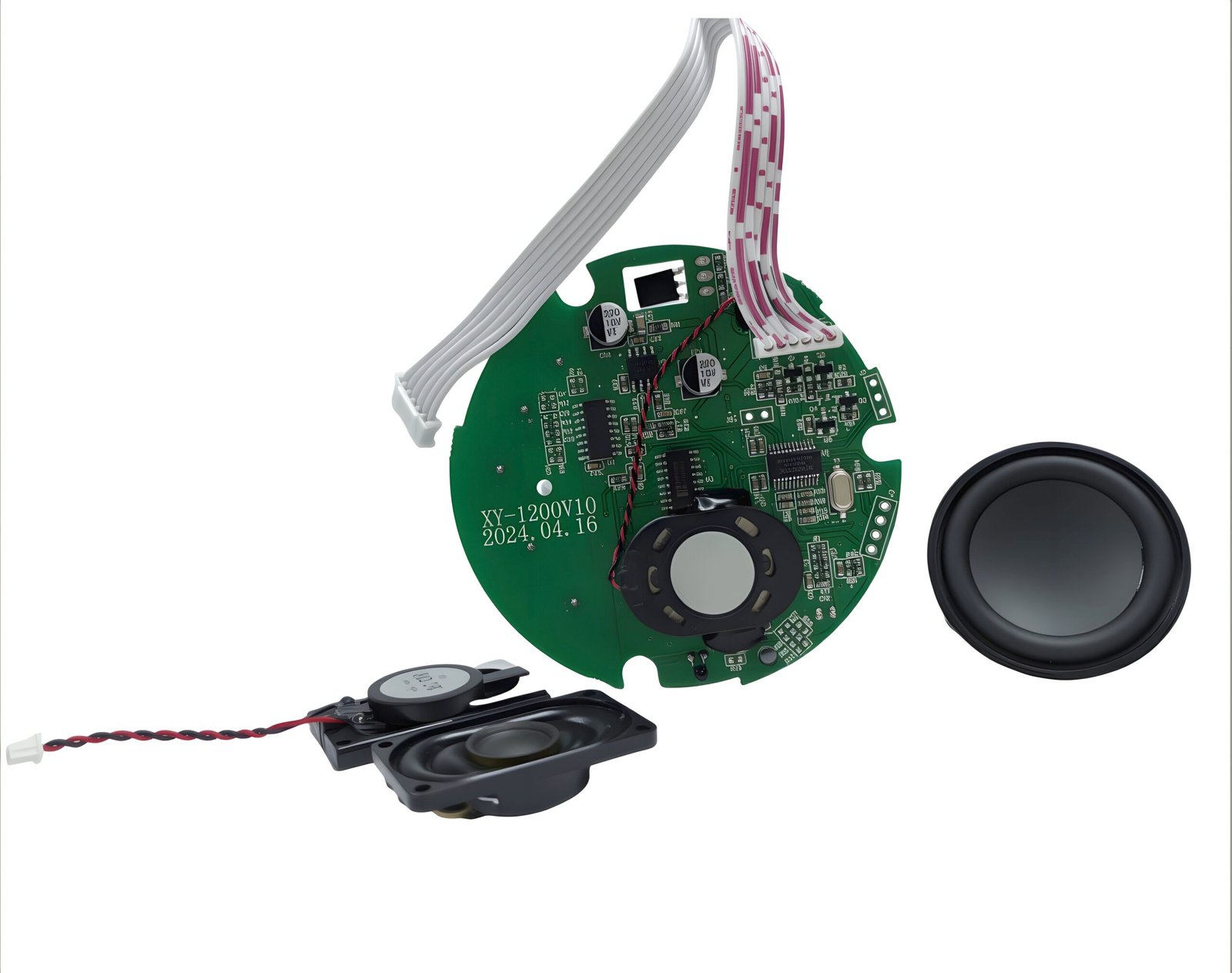
يقدم هذا الدليل إطارًا شاملاً، يمزج بين المعايير الفنية، ومراجعات العمليات، والرؤية الاستراتيجية، لمساعدتك في تقييم جودة مكبر الصوت بدقة من أي مصنع صيني.
مقاييس الأداء الأساسية: الأساس الكمي للجودة
قبل زيارة المصنع أو حتى طلب العينات، حدد معاييرك الكمية. يعتمد أداء مكبر الصوت عالي الجودة على معايير هندسية قابلة للقياس. فيما يلي المقاييس غير القابلة للتفاوض التي يجب طلبها والتحقق منها.
استجابة التردد والسلاسة: هذا الرسم البياني هو “بصمة” مكبر الصوت. اطلب قياسًا في غرفة عديمة الصدى بمتوسط 1/24 أوكتاف. ابحث عن نطاق تردد واسع قابل للاستخدام (مثل 45 هرتز - 20 كيلو هرتز ±3 ديسيبل لمكبر رف)، ولكن الأهم هو تقييم السلاسة. تشير القمم أو الانخفاضات الحادة (>5 ديسيبل) ضمن المدى المتوسط (300 هرتز - 3 كيلو هرتز) إلى رنين أو ضعف في تكامل المحركات وتؤدي إلى إجهاد السمع. الاستجابة السلسة والممتدة هي الأهم.
التشوه (THD و IMD): التشوه التوافقي الكلي (THD) والتشوه البيني (IMD) يكشفان عن خطية مكبر الصوت ووضوحه تحت الحمل. اطلب رسومًا بيانية للتشوه عبر التردد وعند مستويات طاقة متعددة (مثل 1 واط، 10 واط). تحافظ المحركات عالية الجودة على THD أقل من 1% في النطاق المتوسط الحرج، حتى عند المخرجات الأعلى. يشير التشوه المتزايد أسفل تردد ضبط المنفذ أو عند الترددات العالية إلى قيود في المكونات.
الحساسية وأقصى مستوى ضغط صوتي (SPL): الحساسية (ديسيبل @ 1 واط/1 متر) تشير إلى الكفاءة. الحساسية الأعلى (مثل 90 ديسيبل+) تتطلب طاقة مضخم أقل. ومع ذلك، اربط هذا بـ أقصى مستوى ضغط صوتي (SPL). سيوفر المصنع عالي الجودة بيانات محسوبة و/أو مقاسة لأقصى SPL، توضح مدى ارتفاع الصوت الذي يمكن لمكبر الصوت تشغيله قبل أن يصبح الضغط أو التشوه مفرطًا (مثل 105 ديسيبل SPL مستمر).
منحنى المعاوقة وأدنى معاوقة: يخبرك منحنى المعاوقة عن السلوك الكهربائي لمكبر الصوت وتعقيده بالنسبة للمضخم. المنحنى المعتدل والمُدار جيدًا (أدنى معاوقة تبقى فوق، على سبيل المثال، 3.5-4 أوم لمكبر “4 أوم”) هو علامة على تصميم كروس أوفر كفؤ. الانخفاض إلى معاوقة منخفضة جدًا (مثل أقل من 2.5 أوم) يمكن أن يضغط على المضخمات.
جدول بيانات الأداء الرئيسي (معايير نموذجية لفئات مختلفة):
| مؤشر الأداء | مستوى الدخول (مثل 50-150 دولارًا للزوج) | متوسط / محترف (مثل 300-800 دولار للزوج) | عالي الجودة / مرجع OEM (مثل 1000+ دولار للزوج) |
|---|---|---|---|
| استجابة التردد | 80 هرتز - 18 كيلو هرتز ±6 ديسيبل | 55 هرتز - 20 كيلو هرتز ±3 ديسيبل | 40 هرتز - 25 كيلو هرتز ±2 ديسيبل (غرفة عديمة الصدى) |
| THD @ 90 ديسيبل، 300 هرتز | < 3% | < 1.5% | < 0.8% |
| الحساسية النموذجية | 84-87 ديسيبل | 87-90 ديسيبل | 88-92 ديسيبل |
| أدنى معاوقة | قد تنخفض إلى 3.2 أوم | عادة > 4 أوم | مُدارة بعناية، > 4.5 أوم |
| طاقة المضخم الموصى بها | 20-75 واط | 40-150 واط | 50-250+ واط |
| تركيز البناء الرئيسي | تجميع فعال من حيث التكلفة | أداء/سعر محسّن | دقة، مواد استثنائية، تحسين |
مراجعة المصنع: تقييم القدرة، العملية، و“الإحساس البديهي”
بيانات الأداء تروي نصف القصة فقط. الغوص العميق، سواء فعليًا أو افتراضيًا، في المصنع ضروري لتقييم العمليات العمليات التي تخلق جودة متسقة.
1. القدرة الهندسية والبحث والتطوير: لا تلتقِ بفريق المبيعات فقط. أصر على الاجتماع مع مهندس الصوت الرئيسي. ناقش فلسفة التصميم الخاصة بهم، وأدوات المحاكاة (مثل Klippel، COMSOL، تحليل العناصر المحدودة)، وبروتوكولات الاختبار. فريق البحث والتطوير القوي يحل المشكلات بشكل استباقي بدلاً من مجرد نسخ التصاميم المرجعية.
2. خط الإنتاج ومحطات مراقبة الجودة: راقب خط التجميع. ابحث عن:
- حماية التفريغ الكهروستاتيكي (ESD): هل العمال مؤرضون عند التعامل مع المحركات والكروس أوفر؟
- تجميع الكروس أوفر: هل يتم اللحام يدويًا على قالب تثبيت أم أنها عملية غير قياسية وفوضوية؟ هل تتوفر مكونات عالية الجودة ومستقرة حرارياً (مثل المكثفات الفيلمية، ملفات الحث ذات القلب الهوائي) كخيارات إضافية؟
- المواد اللاصقة والختم: هل يتم استخدام كمية محددة ومتسقة من المادة اللاصقة لحشيات المشغلات وتقوية الهيكل؟
- الاختبار أثناء خط الإنتاج: هل توجد محطات اختبار آلية أو شبه آلية (مثل الاستماع إلى مسح موجة جيبية، فحص المعاوقة) لـ كل وحدة قبل التعبئة؟ هذا عامل تمييز رئيسي.
- تدقيق المنتجات النهائية (FGA): ما هي النسبة المئوية للوحدات التي تخضع لتدقيق عشوائي نهائي، وبأي معيار؟
3. غرفة الاستماع ومختبر القياسات: وجود غرفة استماع مخصصة ومعالجة بشكل صحيح (وليس مكتب الرئيس التنفيذي) يُظهر التزامًا بالتحقق الذاتي. والأكثر أهمية هو وجود 消声室 نظام قياس شبه لاسلكي متقدم (مثل ماسح المجال القريب من Klippel). إذا كانوا يعتمدون فقط على القياسات “داخل الغرفة”، فإن بياناتهم غير موثوقة للتقييم الأساسي.
4. شفافية سلسلة التوريد: استفسر عن مصادر المكونات الرئيسية. هل يلفون ملفات الصوت الخاصة بهم؟ هل يحصلون على الأغشية من موردين متخصصين؟ هل يتحكمون في تجميع المغناطيس؟ تشير الشفافية هنا إلى استقرار سلسلة التوريد والتحكم في الجودة على الملكية الفكرية الأساسية.
المشهد المتطور: الذكاء الاصطناعي، الاستدامة، وحقائق ما بعد الجائحة
معايير التقييم ليست ثابتة. المصانع الصينية الرائدة هي في طليعة العديد من الاتجاهات الرئيسية التي تشكل الجودة الآن.
الإنتاج ومراقبة الجودة المعتمدان على الذكاء الاصطناعي: تستخدم المرافق المتطورة الآن الرؤية الآلية لفحص سلامة المخاريط، وصلات اللحام، وتشطيبات الهياكل بثبات فائق. يستخدم البعض خوارزميات الذكاء الاصطناعي لتحليل آلاف مجموعات بيانات القياس للتنبؤ بنقاط الفشل وضبط التصاميم بدقة. استفسر عما إذا كانوا يستخدمون مثل هذه التقنيات.
الابتكار في المواد والاستدامة: ترتبط الجودة بشكل متزايد بالمواد المتقدمة، وغالبًا المستدامة. ابحث عن استخدام:
- المركبات الحيوية: أغشية مصنوعة من لب الخيزران، الكتان، أو السليلوز المعاد تدويره.
- عمليات منخفضة ثاني أكسيد الكربون: مصانع حاصلة على شهادة ISO 14001 ولديها سياسات واضحة لتقليل المركبات العضوية المتطايرة (VOCs) في المواد اللاصقة والتشطيبات.
- التغليف: تحول من البلاستيك الرغوي إلى اللب المقولب المصنوع من الورق المعاد تدويره.
الخدمات اللوجستية والاختبارات بعد الجائحة: أزمة سلسلة التوريد في 2021-2023 فصلت المرن عن الهش. قيّم استراتيجية المخزون الخاصة بهم للعناصر طويلة الأمد (مثل مكبرات الصوت للسماعات النشطة). هل لديهم خطط طوارئ؟ علاوة على ذلك، اطلب اختبار فيديو في الوقت الفعلي لعيناتك. أصبحت هذه ممارسة قياسية وتظهر القدرة على التكيف والالتزام بالتحقق الشفاف للعملاء عن بُعد.
الشراكة الاستراتيجية مقابل المعاملة التجارية: غالبًا ما تنشأ أعلى جودة من شراكة، وليس من شراء لمرة واحدة. قيّم استعدادهم للمشاركة في مشاريع التطوير المشترك (JD) ، وتقديم خيارات حصرية للقوالب/الأدوات (مولات/تولينج) لتصميمك، وتوفير محاسبة التكاليف المفتوحة (Open-Book Costing) شفافة للمشاريع المعقدة. هذا النهج التعاوني هو سمة مميزة لمصنع من الدرجة الأولى.
الخلاصة
تقييم جودة مصنع مكبرات الصوت الصيني هو تمرين متعدد الأبعاد. يتطلب موازنة بيانات الأداء الصلبة والمتحقق منها مع تدقيق واضح للعمليات، وثقافة الهندسة، والمبادرات المستقبلية التي تدعم التصنيع. من خلال تطبيق هذا الإطار - مع إعطاء الأولوية لكل من "ماذا" (الأداء القابل للقياس) و 音频信号 “كيف”.
أسئلة وأجوبة احترافية
(سلامة التصنيع) - يمكنك تجاوز سرد “السعر الصيني” السلعي. يمكنك بدلاً من ذلك تحديد المصانع والشراكة معها التي تنافس المعايير العالمية وغالبًا ما تتجاوزها، مما يفتح الباب أمام منتجات صوتية استثنائية مبنية على أساس من الجودة الحقيقية والقابلة للإثبات. الهدف ليس العثور على أرخص مورد، بل تحديد الشريك الأكثر قدرة وموثوقية لرؤية علامتك التجارية وجودتك المحددة.
أ: س1: العديد من المصانع تقدم رسومًا بيانية لاستجابة التردد "داخل الغرفة". هل هذه مقبولة لتقييم الجودة؟.
لا، إنها عديمة الفائدة تقريبًا للتقييم الموضوعي للمشغلات والأنظمة. القياسات داخل الغرفة تهيمن عليها أنماط الغرفة، والانعكاسات، وموضع الميكروفون، مما يدفن الاستجابة اللاسلكية الحقيقية للسماعة. أصر دائمًا على القياسات شبه اللاسلكية أو في غرفة عديمة الصدى، ويفضل أن يكون ذلك مع مخطط انحلال طيفي/شلالي لرؤية الرنينات. المصنع الذي يفتقر إلى هذه القدرة لا يمكنه التحقق بدقة من تصاميمه الخاصة.
أ: س2: ما مدى أهمية نظام محلل Klippel، وهل يجب أن أستبعد المصانع التي لا تمتلكه؟.
نظام Klippel (خاصة ماسح المجال القريب - NFS) هو المعيار الذهبي الحالي للقياسات عالية الدقة، والتشويه، والمعلمات غير الخطية. على الرغم من أنه ليس مطلبًا مطلقًا، إلا أن وجوده يشير إلى استثمار من الدرجة الأولى في البحث والتطوير. بالنسبة للمشاريع عالية الحجم والحساسة للتكلفة، قد تكون بيانات الغرفة التقليدية كافية. ومع ذلك، بالنسبة للتصاميم عالية الأداء، يمكن للمصنع الذي يستخدم Klippel تحسين المشغلات والأنظمة إلى مستوى لا يمكن تحقيقه بالمعدات القياسية، مما يحل مشاكل مثل تعديل التدفق المغناطيسي أو أنماط الانهيار قبل الإنتاج.
أ: س3: مع ارتفاع تكاليف العمالة، هل لا تزال المصانع الصينية تنافسية من حيث الجودة للصوتيات عالية الجودة؟ بالتأكيد، لكن عرض القيمة قد تغير. لم تعد المنافسة قائمة على التكلفة فقط بل على. العديد من العلامات التجارية الغربية الراقية تصنع الآن منتجاتها في الصين نظرًا لوجود سلسلة توريد متخصصة (للمغناطيسات، ملفات الصوت، المواد المركبة المتقدمة)، كما أن مستوى الأتمتة في المصانع المتطورة يضمن اتساقًا في الجودة غالبًا ما يكون أعلى من الورش اليدوية في أماكن أخرى. ينصب تركيز المشتري على تحديد المصانع التي تستثمر هوامش أرباحها في البحث والتطوير والهندسة الدقيقة، وليس فقط في التجميع منخفض الأجر.
السؤال الرابع: ما هي العلامة التحذيرية الأكثر دلالة أثناء جولة في المصنع؟
أ: وجود محطة مراقبة جودة (QC) غير منظمة أو غائبة أثناء خط الإنتاج. إذا لم يخضع كل مكبر صوت فردي لفحص أساسي للوظائف والأداء (مثل مسح صوتي مبرمج يستمع إليه مشغل مدرب أو فحص آلي للممانعة والاستجابة) قبل التعبئة، فإن المصنع يعطي الأولوية للإنتاجية على حساب الجودة المتسقة. وهذا يضمن تقريبًا وجود تباين بين الوحدات وارتفاع معدل العيوب (وحدات غير صالحة للاستخدام فور وصولها). الجودة المتسقة هي عملية وليست صدفة.. If every single speaker does not undergo a basic functional and performance check (e.g., a programmed audio sweep listened to by a trained operator or an automated impedance/response check) before packaging, the factory is prioritizing throughput over consistent quality. This almost guarantees unit-to-unit variation and a higher defective rate (dead on arrival units). Consistent quality is a process, not an accident.