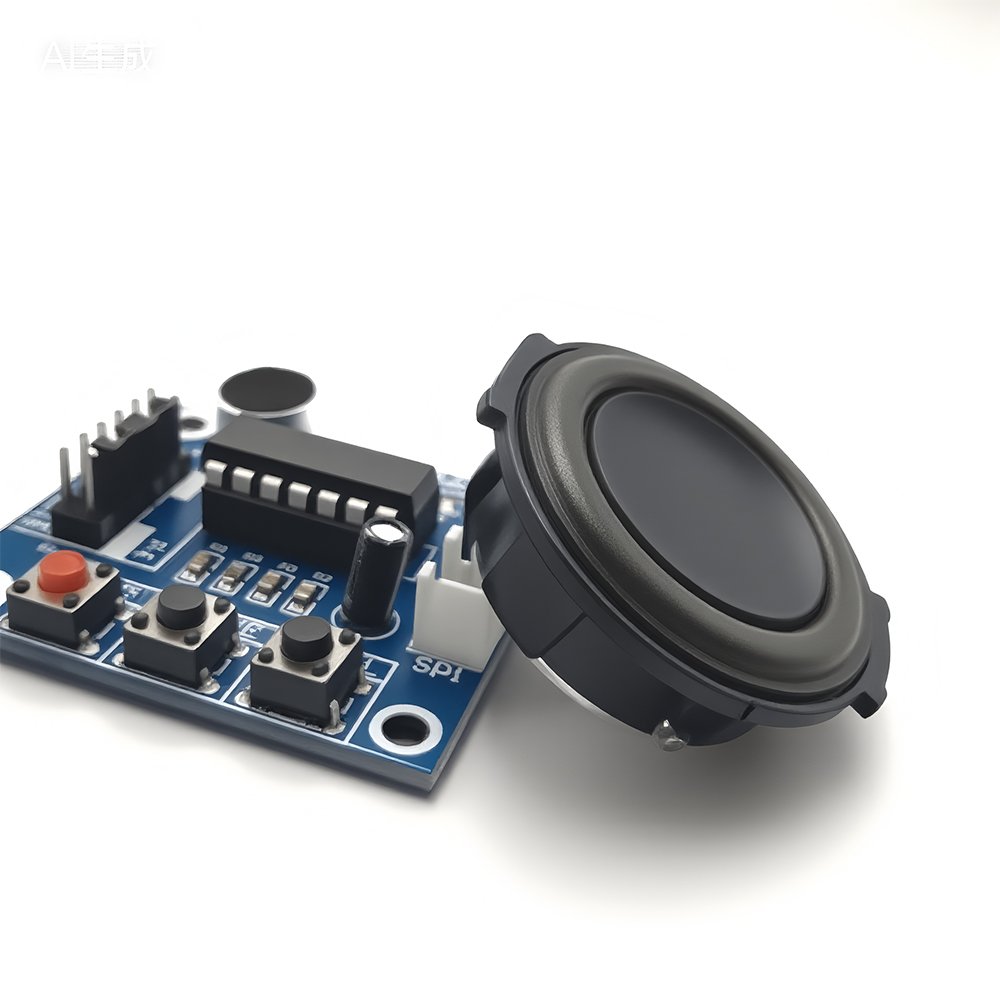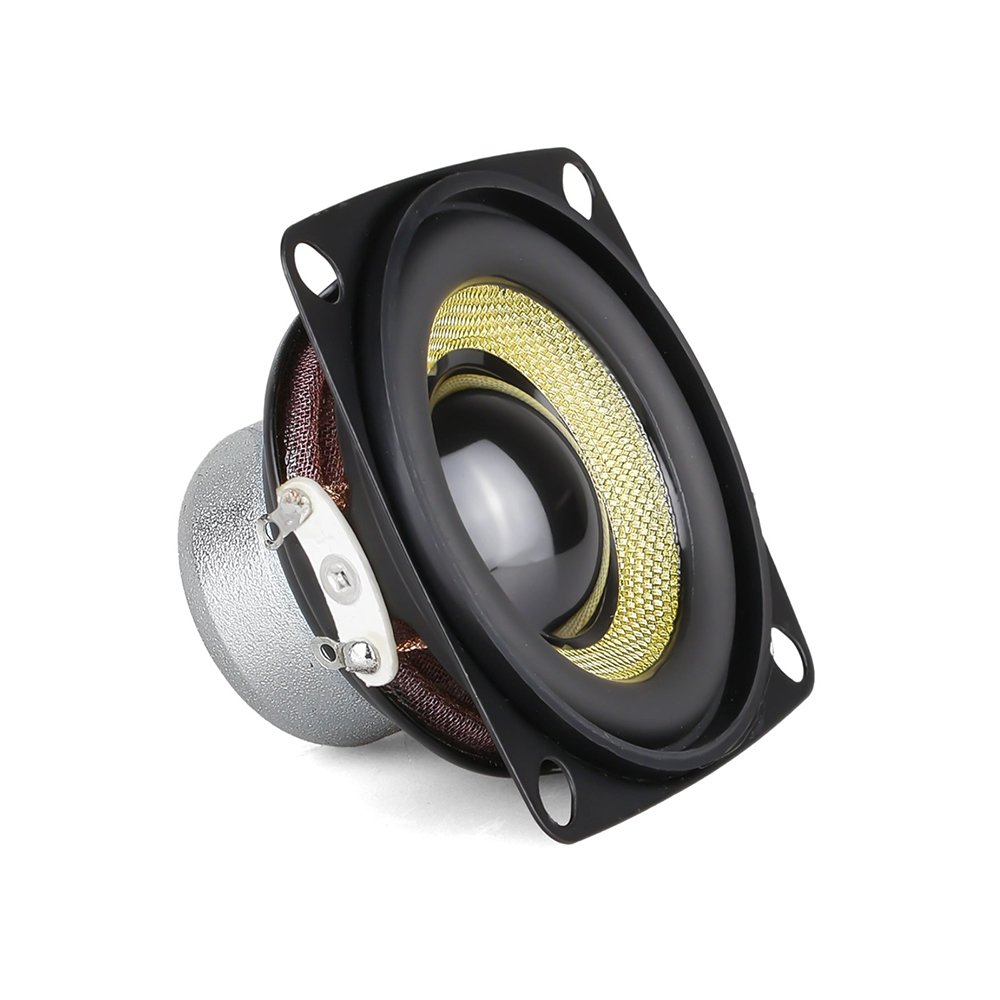
مكبرات الصوت المصنوعة من النيوديميوم-الحديد-البورون (NdFeB)—وهو مصطلح يتردد صداه في صناعات الهندسة الصوتية والإلكترونيات الاستهلاكية—يمثل قفزة كبيرة في تكنولوجيا مكبرات الصوت. في جوهرها، تستخدم هذه المكبرات مغناطيسات مصنوعة من سبيكة من النيوديميوم (Nd) والحديد (Fe) والبورون (B), ، لتشكل أقوى المغناطيسات الدائمة المتاحة تجارياً اليوم. منذ تطويرها في الثمانينيات، أحدثت مغناطيسات النيوديميوم ثورة في تصميم مكبرات الصوت، مما أتاح وحدات تشغيل أصغر حجماً وأخف وزناً وأكثر كفاءة بشكل كبير تقدم جودة صوت استثنائية. من شاشات الاستوديو عالية الجودة ومعدات الصوت الاحترافية إلى سماعات الرأس المدمجة والهواتف الذكية وأنظمة الصوت في السيارات، أصبحت مغناطيسات NdFeB الخيار المفضل للمصنعين الذين يسعون إلى دفع حدود الأداء الصوتي ضمن قيود التصميم الحديثة.
تتناول هذه المقالة العلم والمزايا والأسباب المقنعة وراء التبني الواسع النطاق لتكنولوجيا مكبرات الصوت NdFeB في الصناعة.
العلم وراء مغناطيسات NdFeB: قوة مغناطيسية لا مثيل لها
لفهم سبب تفوق مكبرات الصوت NdFeB، يجب علينا أولاً استكشاف علم المواد. تنتمي مغناطيسات النيوديميوم إلى عائلة المغناطيسات الأرضية النادرة ، المعروفة بمنتج طاقتها المغناطيسية العالي للغاية، والذي يُرمز له بـ (BH)max. يقيس هذا المقياس كثافة الطاقة المغناطيسية التي يمكن للمادة تخزينها، ويرتبط ارتباطاً مباشراً بقوتها.
الخصائص الرئيسية لمغناطيسات NdFeB:
- قوة مغناطيسية استثنائية: يمكن لمغناطيسات NdFeB توليد مجال مغناطيسي أقوى بكثير من مغناطيسات الفريت (السيراميك) أو ألنيكو بنفس الحجم. وهي عادةً ما تكون أقوى من 5 إلى 10 مرات من مغناطيسات الفريت القياسية. هذه القوة الهائلة هي السمة المميزة لها.
- قوة إكراه عالية: يشير هذا إلى مقاومة المغناطيس لإزالة المغناطيسية بواسطة المجالات المغناطيسية الخارجية أو درجات الحرارة. تُظهر سبائك NdFeB الحديثة عالية الجودة قوة إكراه ممتازة، مما يضمن استقراراً طويل الأمد.
- التركيب المادي: يؤدي السبك الدقيق للنيوديميوم مع الحديد والبورون إلى إنشاء بنية بلورية رباعية الزوايا (Nd2Fe14B) توفر محاذاة مثالية للمجال المغناطيسي.
لماذا تهم القوة في مكبرات الصوت:
في وحدة تشغيل مكبر الصوت الديناميكي، تُنشئ مجموعة المغناطيس (التي تتضمن قطعة القطب المركزي واللوحة الأمامية والمغناطيس نفسه) مجالاً مغناطيسياً مركزاً ومتماثلاً في فجوة ملف الصوت لوحدة التشغيل. عندما يمر تيار الإشارة الصوتية عبر ملف الصوت، يتفاعل مع هذا المجال المغناطيسي، مما يتسبب في حركة الملف (والغشاء/المخروط الملحق به) لإنتاج الصوت.
A كثافة المجال المغناطيسي الأعلى (B) في هذه الفجوة تترجم مباشرة إلى قوة أكبر (F) على ملف الصوت لمقدار معين من التيار الكهربائي (I)، كما هو موصوف بقانون قوة لورنتز (F = B I L). وهذا يعني:
- حساسية/كفاءة أعلى: يحول مكبر الصوت الطاقة الكهربائية إلى طاقة صوتية بشكل أكثر فعالية، منتجاً صوتاً أعلى باستخدام طاقة مضخم أقل.
- تحكم أفضل واستجابة عابرة: يتمتع النظام الحركي بتحكم أكبر في حركة الغشاء، مما يؤدي إلى جهير أكثر إحكاماً ودقة وإعادة إنتاج أوضح للنبضات الصوتية السريعة (مثل ضربات الطبول).
- يوفر المجال المغناطيسي القوي تحكمًا أفضل في الملف الصوتي، مما يسمح له بالبدء في التحرك والتوقف بدقة أكبر. ينتج عن هذا استجابة عابرة أكثر إحكامًا—"الفرقعة" لطبل الفخ أو الهجوم الدقيق لنغمة البيانو يتم تقديمها بوضوح وتعريف أكبر، مما يقلل من الضبابية عند الأحجام العالية. مجال مغناطيسي قوي ومتماثل في الفجوة يقلل من السلوك غير الخطي، مما يخفض التشوه التوافقي والتشوه البيني.
المزايا الرئيسية التي تدفع تفضيل المصنعين
لا يتبنى المصنعون تقنيات جديدة دون أسباب مقنعة. إن التحول من مغناطيسات الفريت التقليدية إلى مغناطيسات NdFeB مدفوع بسلسلة من الفوائد المترابطة التي تتوافق تماماً مع متطلبات السوق الحديثة.
1. التصغير والتصميم خفيف الوزن
الميزة الأكثر وضوحاً هي التخفيض الكبير في الحجم والوزن. لتحقيق قوة المجال المغناطيسي المطلوبة، يمكن للمصمم استخدام مغناطيس NdFeB صغير وخفيف الوزن بدلاً من مغناطيس فريت كبير وثقيل. هذا أمر بالغ الأهمية من أجل:
- الأجهزة المحمولة: تتطلب الهواتف الذكية ومكبرات الصوت بتقنية البلوتوث والأجهزة اللوحية وسماعات الرأس صوتاً قوياً من مكونات متناهية الصغر.
- الصوت في السيارات: توفير المساحة والوزن أمر بالغ الأهمية في تصميم المركبات، بينما يتوقع المستهلكون صوتاً متميزاً وقوياً.
- أنظمة متعددة الوحدات: في مكبرات الصوت التي تحتوي على وحدات تشغيل متعددة (مكبرات الترددات العالية والمتوسطة والمنخفضة)، يسمح استخدام مغناطيسات NdFeB المدمجة بوضع وحدات التشغيل بشكل أقرب وأمثل وشبكات تقاطع معقدة دون الحاجة إلى غلاف ضخم.
2. أداء صوتي وكفاءة فائقة
كما أوضحت الفيزياء، فإن النظام الحركي القوي يحقق تحسينات صوتية ملموسة:
- استجابة ترددية أوسع: يمكن للمصممين إنشاء وحدات تشغيل أكثر خطية عبر نطاق ترددي أوسع.
- استهلاك طاقة أقل: الكفاءة الأعلى ضرورية للأجهزة التي تعمل بالبطاريات، مما يطيل وقت التشغيل. في الأنظمة المنزلية أو الاحترافية، يعني ذلك توليد حرارة أقل ومضخمات أصغر وأكثر كفاءة.
- نطاق ديناميكي محسّن: القدرة على تشغيل المقاطع الصوتية الهادئة جداً والعالية جداً بوضوح تتعزز بفضل النظام الحركي سريع الاستجابة والقوي.
3. مرونة وتناسق محسّنان في التصميم
الحجم الصغير لمغناطيس النيوديميوم-الحديد-البورون (NdFeB) يتيح أشكالاً هندسية مبتكرة للمحركات وخيارات تركيب متعددة. على سبيل المثال، تمكن من استخدام تصاميم الملف الصوتي المعلق تحت الفجوة (حيث يكون الملف أقصر من الفجوة المغناطيسية) لتحقيق أداء خطي استثنائي في التطبيقات عالية الجودة. علاوة على ذلك، تسمح عملية تصنيع مغناطيس NdFeB الملبد بخصائص مغناطيسية دقيقة ومتسقة عبر ملايين الوحدات، مما يضمن أداءً موثوقاً للمنتج.
تحليل مقارن لمواد مغناطيس السماعات الشائعة:
| ميزة | NdFeB (النيوديميوم) | فريت (سيراميك) | ألنيكو |
|---|---|---|---|
| 磁强度 | عالية جدًا (بقايا مغناطيسية 1.0-1.4 تسلا) | منخفضة إلى معتدلة (0.2-0.4 تسلا) | معتدلة (0.7-1.1 تسلا) |
| التكلفة | أعلى (تخضع لتقلبات سوق العناصر الأرضية النادرة) | منخفض جدًا | عالي |
| الوزن | خفيف جداً | ثقيل | معتدل |
| 耐腐蚀性 | منخفضة | ممتازة | جيدة |
| | ضعيفة (تتطلب طلاء) | ممتازة | يضيف خطوة تصنيع بسيطة دون عقوبة في الأداء. | | جيد (درجات حرارة تصل إلى 220 درجة مئوية متاحة) | ممتازة | ممتازة |
| خطر إزالة المغناطيسية | معتدل (الدرجات ذات القسرية العالية تخفف من ذلك) | 低 | معتدل (يمكن إزالة مغناطيسيته) |
| التطبيقات الأساسية | سماعات الرأس الفاخرة، شاشات الاستوديو، الأجهزة المحمولة، السيارات | أنظمة Hi-Fi منخفضة/متوسطة المدى، سماعات PA، مكبرات الصوت | سماعات الجيتار الكلاسيكية، بعض أنظمة Hi-Fi |
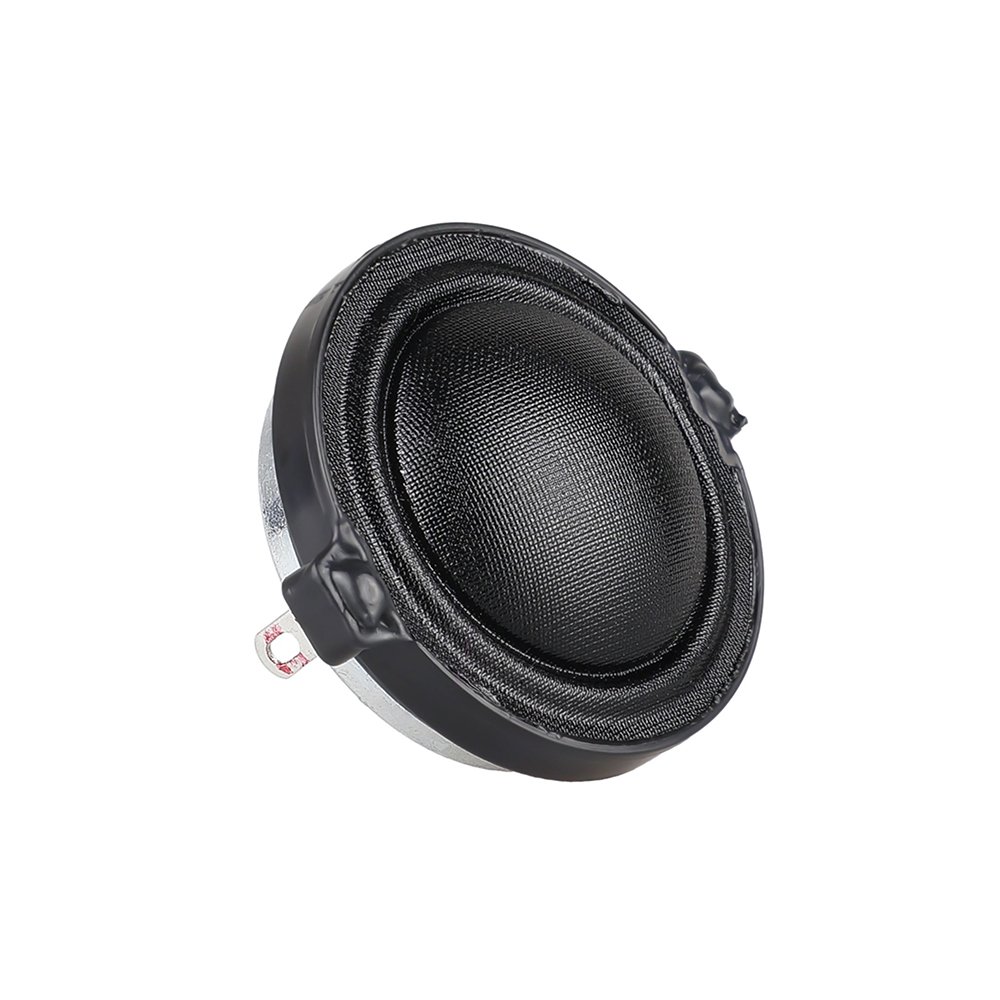
معالجة التحديات: التكلفة، التآكل، ودرجة الحرارة
على الرغم من مزاياها، فإن مغناطيس NdFeB لا يخلو من العيوب. تتضمن خيارات التصنيع المدروسة تخفيف هذه التحديات.
تقلب التكلفة والإمدادات: النيوديميوم عنصر أرضي نادر، حيث يسيطر تاريخياً عدد قليل من الدول على جزء كبير من الإمدادات العالمية. يمكن أن تكون الأسعار متقلبة. يخفف المصنعون من ذلك عن طريق:
- استخدام NdFeB المربوط (مسحوق مغناطيسي في مادة رابطة بوليمرية) للأشكال الصغيرة جداً والمعقدة بتكلفة أقل.
- التوريد الاستراتيجي وتطوير السبائك لتقليل الاعتماد على العناصر الأكثر تقلباً.
- استخدام NdFeB بشكل انتقائي (مثل المكبرات العالية والمتوسطة) مع استخدام الفريت في مكبرات الصوت الكبيرة حيث يكون الحجم أقل أهمية، مما يخلق أنظمة هجينة.
تآكل: NdFeB النقي عرضة للأكسدة والتآكل. يتم حل ذلك صناعياً من خلال تطبيق طلاءات واقية قوية، عادةً طلاء متعدد الطبقات من النيكل-النحاس-النيكل أو طلاء إيبوكسي/بوليمر، مما يضمن طول العمر حتى في البيئات الرطبة.
الحساسية لدرجة الحرارة: مغناطيس NdFeB من الدرجة القياسية N يمكن أن يبدأ في فقدان القوة عند درجات حرارة أعلى من 80 درجة مئوية. بالنسبة للتطبيقات عالية الطاقة، يحدد المصنعون درجات حرارة عالية (مثل SH، UH، EH) المطعمة بعناصر مثل الديسبروسيوم (Dy) والتيربيوم (Tb). يمكن لهذه الدرجات العمل بشكل موثوق عند 150-220 درجة مئوية، مما يجعلها مناسبة لمكبرات الصوت الفرعية عالية الطاقة في السيارات والمحركات الاحترافية.
اتجاهات السوق ورؤى البيانات في الوقت الفعلي
يرتبط اعتماد مغناطيس NdFeB في السماعات ارتباطاً وثيقاً باتجاهات الإلكترونيات والسيارات الأوسع. وفقاً لتحليل السوق الأخير (2023-2024)، فإن سوق مغناطيس النيوديميوم-الحديد-البورون العالمي من المتوقع أن ينمو بمعدل نمو سنوي مركب يبلغ حوالي 8-10%, ، مدفوعاً بـ:
- انفجار الصوت اللاسلكي: تستمر أسواق سماعات الرأس TWS (الصوت اللاسلكي الحقيقي) وسماعات البلوتوث المحمولة في التوسع، مما يتطلب أداءً عالياً لكل غرام لا يمكن أن يوفره سوى NdFeB.
- كهربة المركبات: كل مركبة كهربائية (EV) تتميز بنظام صوتي متطور متعدد السماعات. تعتمد العلامات التجارية الفاخرة مثل Tesla وBang & Olufsen (في Audi) وBurmester (في Mercedes-Benz) بشكل كبير على سماعات قائمة على NdFeB لتقديم صوت غامر دون التأثير سلباً على مدى المركبة بوزن زائد.
- السعي نحو الصوت عالي الدقة: التحول الاستهلاكي نحو خدمات بث الموسيقى عالية الدقة (مثل Tidal وApple Lossless) يخلق طلباً على معدات التشغيل (سماعات الرأس، السماعات) القادرة على إظهار هذه التفاصيل، مما يفضل محركات NdFeB عالية الأداء.
- جهود الاستدامة: الأبحاث في إعادة التدوير وإعادة المعالجة لمغناطيس NdFeB من الإلكترونيات منتهية الصلاحية يتزايد، بهدف خلق اقتصاد دائري أكثر للعناصر الأرضية النادرة وتخفيف المخاطر طويلة الأجل المتعلقة بالإمدادات والبيئة.
الخلاصة: الخيار الواضح للصوت الحديث
سؤال لماذا يفضل المصنعون سماعات NdFeB له إجابة قاطعة: إنها تقدم توازناً لا مثيل له بين الأداء الاستثنائي، التصغير، والكفاءة، مما يتماشى تماماً مع مسار التكنولوجيا الحديثة. 尽管成本和材料供应需要谨慎管理,但在声学保真度、设计自由度和能效方面的优势如此显著,以至于钕铁硼已成为几乎所有类别高端音频的基准标准。.
从无线耳塞中的微型驱动器到豪华汽车中的强劲低音扬声器,这种强力磁铁的影响力不可否认。随着材料科学的发展以弥补其弱点,以及紧凑型高保真声音市场的增长,钕铁硼作为当代扬声器设计基石的角色不仅是首选——它几乎是必不可少的。.
关于钕铁硼扬声器的专业问答
问题1:钕铁硼扬声器是否总是优于铁氧体扬声器?
أ: 并非 绝对意义上 总是如此,但通常对于以性能为核心的应用而言,答案是肯定的。对于大型固定式家庭影院低音炮(尺寸和重量无关紧要),设计良好的铁氧体磁铁可能更具成本效益且性能出色。然而,在任何尺寸、重量或效率优先的应用中(便携设备、汽车、高灵敏度录音室监听音箱),钕铁硼在客观上更优越。“更好”的选择取决于设计约束和成本目标。.
问题2:使用钕铁硼磁铁如何影响扬声器的整体声音特征?
أ: 磁铁本身并不决定像音色调整或均衡那样的“声音特征”。相反,它实现了更清晰、更准确的声音再现。其主要影响在于技术性能:更低的失真、更高的灵敏度和更好的瞬态响应。设计师可以选择利用这一点来打造中性、准确的监听音箱,或通过振膜材料、箱体等将其塑造为更温暖或更明亮的特征。钕铁硼磁铁为任何声音目标提供了更优越、更可控的基础。.
问题3:鉴于稀土市场的波动性,未来是否有可行的替代方案?
أ: 研究正在进行中,但目前没有直接替代品能与钕铁硼的能量积相媲美。替代方案包括:
- 改进型铁氧体设计: 使用先进几何结构(如弯曲磁铁)以更好地聚焦磁场。.
- 电磁铁: 用于一些高端平面磁性和带式耳机,但需要持续供电。.
- 新型合金: 对其他稀土含量低或无稀土永磁体(如氮化铁)的研究活跃,但大多处于实验室阶段。在可预见的未来,钕铁硼仍将占主导地位,回收利用和供应链多样化将是实现稳定性的关键策略。.
问题4:对于DIY扬声器制作者,何时应考虑使用钕铁硼驱动器?
أ: 在以下情况下考虑使用钕铁硼驱动器:
- 紧凑型书架音箱: 需要在小型箱体中实现强劲驱动单元。.
- 高灵敏度设计: 例如与低功率电子管放大器配合使用。.
- 便携/蓝牙项目: 电池寿命和重量至关重要时。.
- 高性能高音或中音单元: 以实现细节丰富、低失真的高频。.
对于大型落地式扬声器,优质铁氧体低音单元可能提供更高性价比,使您能将预算分配到更高质量的分频元件或箱体材料上。.