
In today’s connected world, the humble speaker has evolved into something far more sophisticated. What began as a simple device for amplifying audio has branched into two distinct categories: the intelligent, voice-activated AI speaker and the reliable, straightforward Bluetooth speaker. Choosing between them is no longer just about sound quality; it’s about deciding what role you want technology to play in your daily life. This comprehensive comparison will dissect their core technologies, features, and ideal use cases, empowering you to make the perfect choice for your needs.
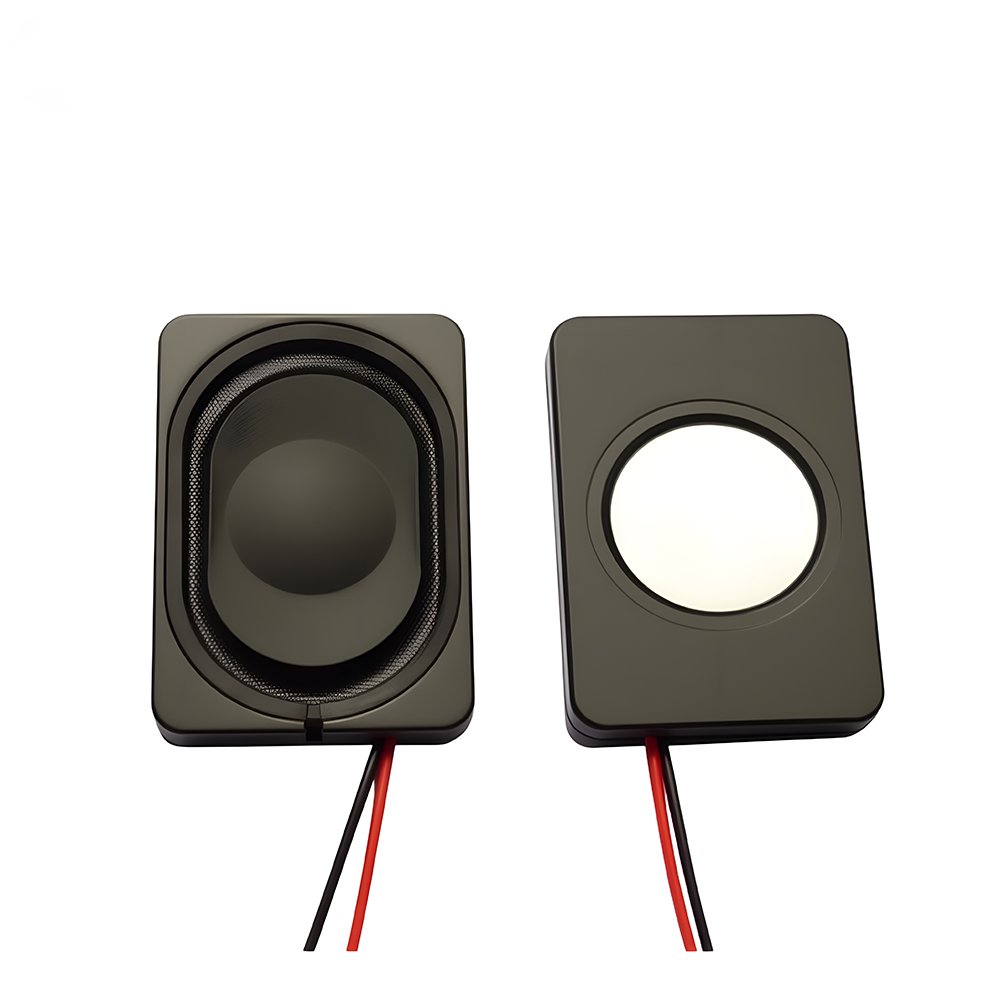
Core Technology & Fundamental Architecture
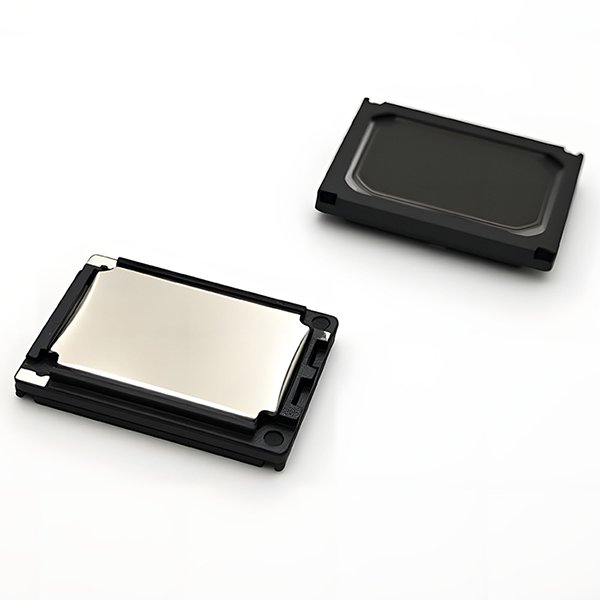
At their heart, these devices are built on entirely different paradigms. A Standard Bluetooth Speaker is designed with a singular, excellent purpose: to be a wireless conduit for audio from a source device. Its architecture is elegantly simple. It contains a Bluetooth receiver module (supporting codecs like SBC, AAC, or aptX for higher quality), a digital-to-analog converter (DAC), an amplifier, and the speaker drivers themselves. Its “intelligence” is minimal, focused on managing the connection and sometimes equalizer settings. It’s a peripheral, entirely dependent on your smartphone, tablet, or computer to tell it what to play.
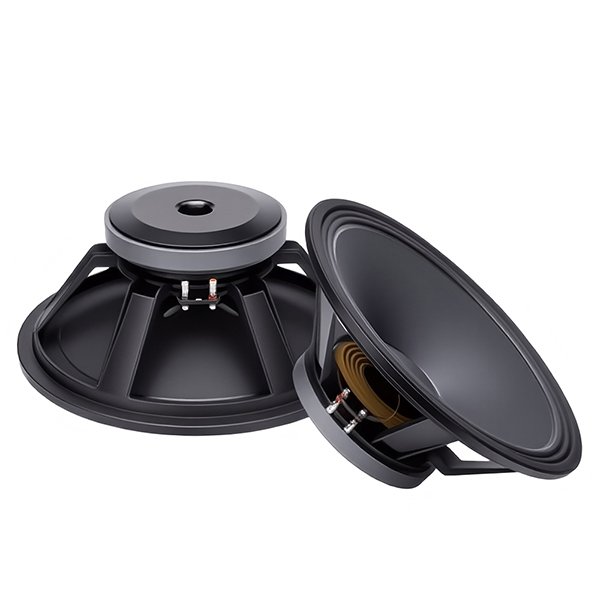
An AI Smart Speaker, in contrast, is a self-contained computing platform. It contains all the components of a Bluetooth speaker but adds a powerful system-on-a-chip (SoC), significant memory, and often multiple microphones with advanced beamforming and noise suppression. Its primary connection is not Bluetooth, but Wi-Fi. This allows it to stream audio directly from the cloud (Spotify, Apple Music, Amazon Music, etc.) and process complex voice commands locally and on remote servers. The AI—like Amazon’s Alexa, Google Assistant, or Apple’s Siri—is embedded into its operating system, enabling it to act on commands, control smart home devices, and answer questions in real-time. Bluetooth on an AI speaker is often a secondary feature for playing audio from non-connected devices.
Feature-by-Feature Breakdown: Convenience vs. Control
This technological divergence manifests in every feature.
Audio Playback & Source:
- Bluetooth Speaker: You are the curator. Playback is initiated and controlled from your phone. Your library, your playlists, your podcasts. The speaker is a dumb pipe for your chosen audio. Sound quality can be exceptionally high in premium models, with brands like JBL, Ultimate Ears, and Sony focusing purely on acoustic engineering.
- AI Speaker: The cloud is the source. You can ask for any song, genre, or radio station by voice. It creates a seamless, hands-free experience, especially for music discovery and casual listening. While audio quality has improved dramatically (see Sonos Era, Apple HomePod), the focus for most is on convenience and multi-room audio (e.g., playing the same song across every speaker in your house) rather than pure audiophile-grade sound.
User Interface & Control:
- Bluetooth Speaker: Tactile buttons (play/pause, volume, skip) are standard. Control is physical and immediate.
- AI Speaker: The primary interface is your voice. Secondary control comes via a companion smartphone app, which is used for setup and more complex configurations. Some models also include touch controls or screens.
Smart Capabilities & Ecosystem:
- Bluetooth Speaker: None. It plays audio. Period.
- AI Speaker: This is its raison d’être. Capabilities include:
- Voice Assistant: Answering questions, setting timers/alarms, reading news/weather, adding to shopping lists.
- Smart Home Hub: Controlling lights, thermostats, locks, and thousands of other compatible IoT devices.
- Routines & Automation: “Good morning” can turn on lights, recite your calendar, and start the coffee maker.
- Communications: Making calls or dropping in on other rooms (within the same ecosystem).
- Multi-Room Audio: Synchronized playback across multiple speakers in different rooms.
Portability & Power:
- Bluetooth Speaker: Built for mobility. Most are battery-powered, rugged, and often water-resistant (IPX7 is common). They are your companions for the beach, hikes, and backyard parties.
- AI Speaker: Primarily stationary. They are almost always plugged into a wall outlet, as the constant Wi-Fi connectivity and “always listening” mode demand continuous power. Portability is limited, though some battery-base options are emerging.
Choosing Your Champion: A Matter of Context and Lifestyle
The choice isn’t about which is universally better, but which is better for you in a specific context.
Choose a Standard Bluetooth Speaker If:
- Your primary use is on-the-go audio—travel, outdoor adventures, moving from room to room.
- You demand the highest possible sound quality for the price in a portable form.
- You value universal compatibility with any Bluetooth device, regardless of OS.
- You have privacy concerns with an always-on microphone.
- You want a simple, no-fuss device with a one-time purchase cost (no potential subscription services).
Choose an AI Smart Speaker If:
- You want a hands-free, voice-controlled assistant at the center of your home.
- You are building or already have a smart home ecosystem (smart lights, plugs, etc.).
- You love the convenience of streaming music directly by just asking for it.
- Multi-room audio is a desired feature for whole-home sound.
- Your listening is mostly stationary—in the kitchen, living room, or home office.
Real-Time Data & Market Context (2024)
The market clearly shows the demand for both. According to recent industry analyses, the global smart speaker market is expected to see steady growth, with penetration in households in North America surpassing 35%. However, the standard Bluetooth speaker market remains massive and resilient, driven by continuous innovation in battery life, durability, and sound quality. The trend is not total replacement, but specialization. Many consumers own both: an AI speaker (or several) for the home and a rugged Bluetooth speaker for life outside.
Feature Comparison Table
| Feature | AI Smart Speaker | Standard Bluetooth Speaker |
|---|---|---|
| Primary Connection | Wi-Fi (Bluetooth often secondary) | Bluetooth |
| Core Function | Voice Assistant, Smart Home Hub, Streaming | Wireless Audio Playback |
| Audio Source | Cloud Streaming Services (direct) | Paired Smartphone/Tablet/Computer |
| Control Method | Voice, Smartphone App | Physical Buttons, Source Device |
| Sound Quality Focus | Good to Very Good, optimized for voice & room-filling | Good to Excellent, often with stronger bass/clarity |
| Portability | Low (mostly plugged-in) | High (battery-powered, rugged) |
| Ecosystem Lock-in | High (Amazon, Google, Apple) | None (works with any Bluetooth device) |
| Smart Home Control | Native & Central | None |
| Power Requirement | Constant (Wall Outlet) | Battery (Rechargeable) |
| Ideal Use Case | Stationary Home Assistant & Music | Mobile, Outdoor, Personal Audio |
Professional Q&A
Q: From an SEO and tech perspective, which product category has more search volume and commercial intent?
A: Search volume is significant for both but differs in intent. “Bluetooth speaker” searches are often high-volume and commercial—users are ready to buy a specific product type. “Smart speaker” or “AI speaker” searches can be both commercial and informational, as users research ecosystem compatibility (Alexa vs. Google) and smart home integration. Long-tail keywords like “best Bluetooth speaker for beach” or “smart speaker that works with Apple HomeKit” capture high purchase intent and are crucial for targeted content.
Q: I’m concerned about privacy with an always-listening AI speaker. Are my concerns valid?
A: Yes, they are entirely valid. These devices are designed to listen for a wake word (“Alexa,” “Hey Google”), but snippets of audio are sometimes recorded and reviewed to improve the service. All major platforms offer privacy controls in their apps, allowing you to review and delete voice history, mute the microphone physically, and opt-out of human review programs. If privacy is paramount, a Bluetooth speaker, which has no need to process your voice, is the more secure choice by design.
Q: Can an AI speaker truly match the audio fidelity of a high-end Bluetooth speaker?
A: The gap has narrowed. High-end AI speakers from Sonos, Apple, and Amazon’s high-end Echo models offer rich, room-filling sound with good clarity and bass. However, dedicated audio brands like Bose, JBL, or Marshall often push the envelope in drivers and tuning within a portable form factor. For critical listening in a fixed location, a great AI speaker may suffice. For an audiophile-grade portable experience or situations where raw acoustic power is key (like a party), a premium Bluetooth speaker often still holds an edge.
Q: What’s the future of this divide? Will they merge into one device?
A: We are already seeing convergence, but not total merger. Many new Bluetooth speakers now include basic voice assistant access (press a button to trigger Siri/Google). Conversely, some AI speakers are adding battery bases. However, the fundamental compromise remains: the always-on, plugged-in nature of a true smart assistant conflicts with the portable, on-the-go essence of a Bluetooth speaker. The future is likely a spectrum of devices, with hybrids serving niche roles, while the core categories continue to optimize for their primary strengths: unparalleled convenience at home versus rugged, high-quality sound anywhere.