
Understanding the Core Technology Divide
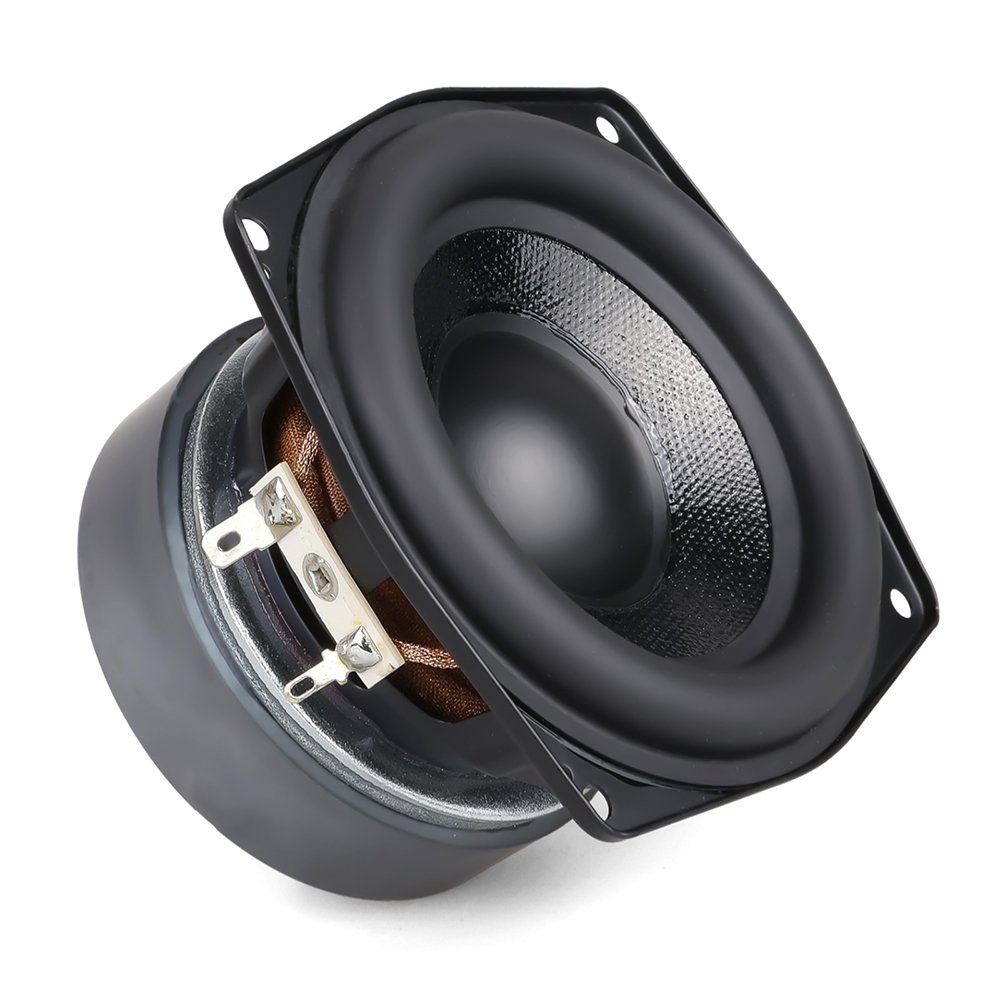
The choice between stocking active (powered) and passive loudspeakers is more than a simple inventory decision—it’s a strategic commitment to a specific segment of the audio market. At its core, the difference lies in amplification integration. Active loudspeakers house built-in amplifiers, meticulously matched to the drivers (woofers, tweeters) by the manufacturer. This integrated approach ensures optimized performance, as seen in models like the QSC K.2 series or Yamaha DXR, which offer precise DSP (Digital Signal Processing) control per component. Passive loudspeakers, like the classic JBL Control 25 or Electro-Voice Everse 8, require external amplification and often separate signal processing. This decoupled system offers unparalleled flexibility but demands deeper technical knowledge for proper component matching.
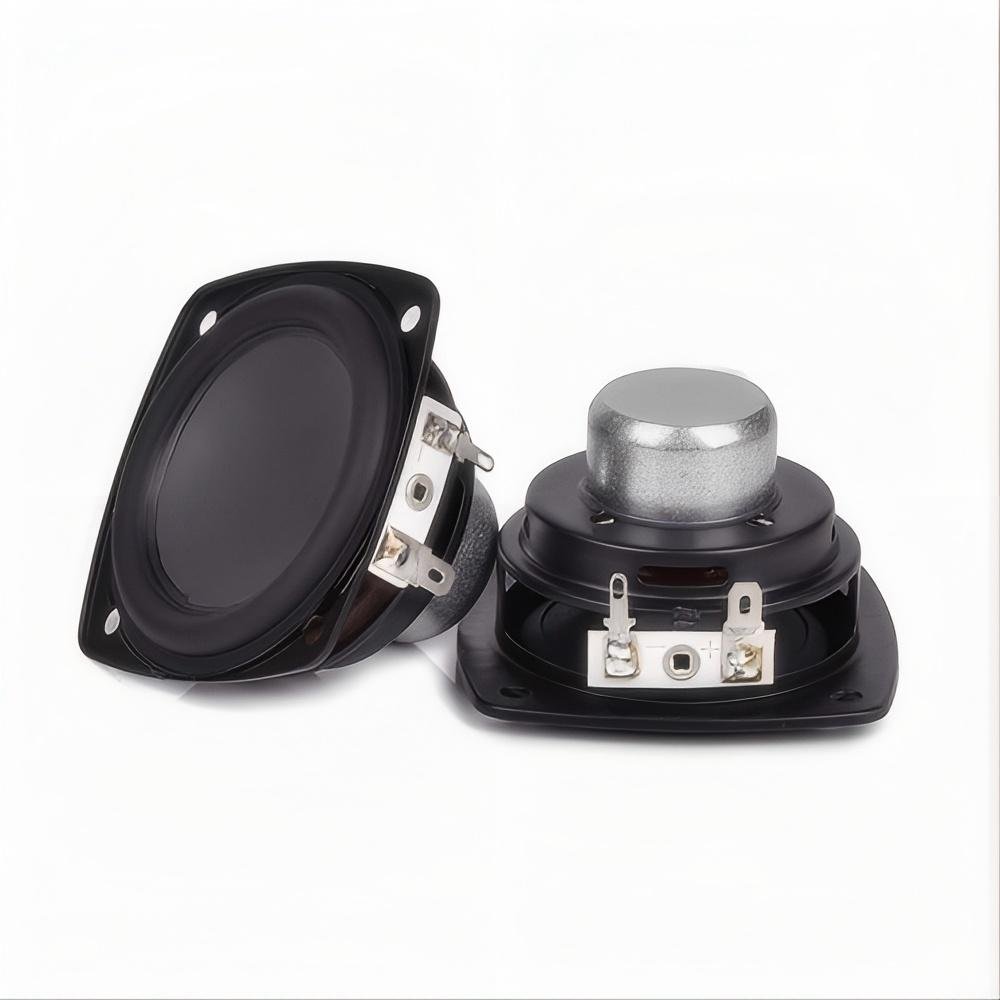
The market reflects a clear trend: according to a 2023 report by Future Market Insights, the active loudspeaker segment holds approximately 62% of the professional audio market share by value, growing at a CAGR of 7.2%, compared to 3.8% for passive systems. This growth is fueled by the “plug-and-play” revolution in mobile DJing, podcasting, and multimedia presentations. However, passive systems maintain a dominant, entrenched position in installed sound applications—house of worship, theater, and large venue installations—where long-term serviceability and centralized amplification are critical. For retailers, this divergence defines your potential customer base: active speakers attract the growing cohort of content creators and mobile professionals, while passive systems serve the traditional AV integrator and touring sound engineer.
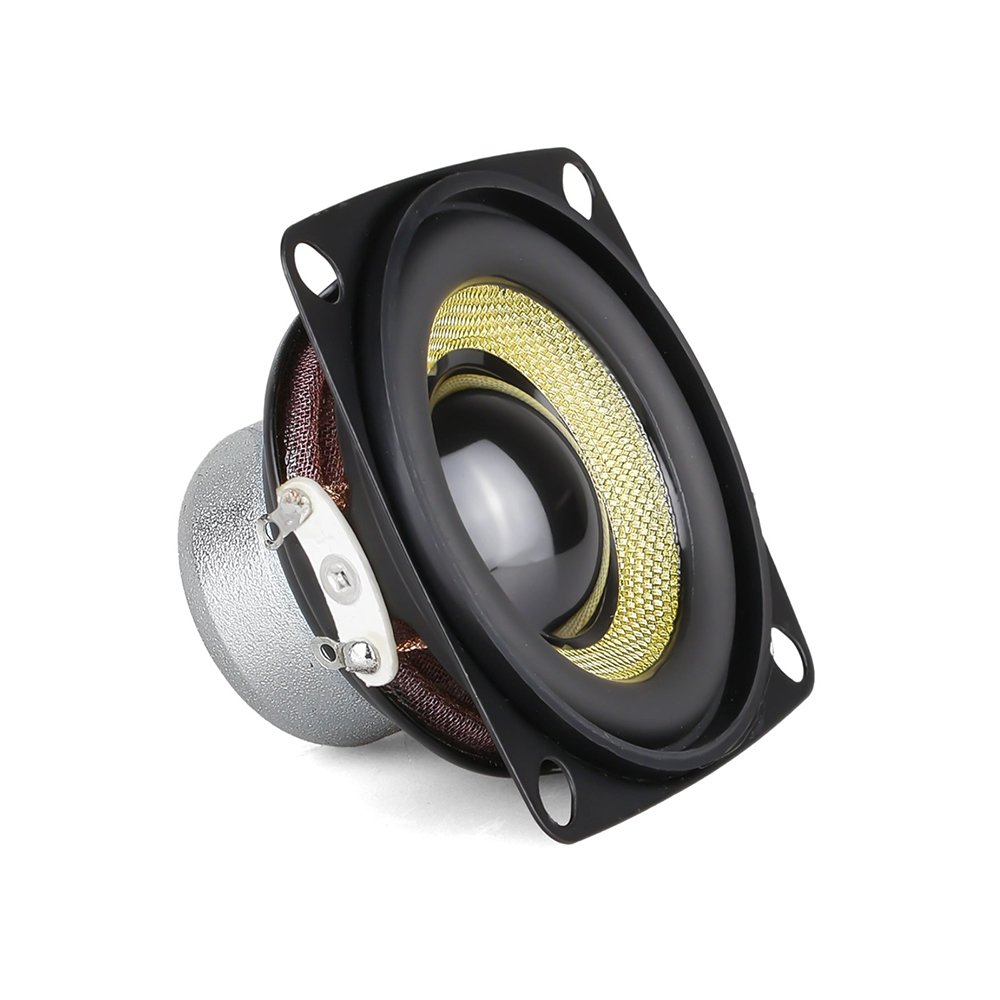
Table: Core Technical & Market Comparison (2024 Data)
| Feature | Active Loudspeakers | Passive Loudspeakers |
| ————————- | —————————————————— | ————————————————- |
| Amplification | Built-in, Bi/Tri-amped per driver | Requires External Power Amp(s) |
| System Complexity | Lower for end-user; integrated setup | Higher; requires component matching |
| Primary Market Segment| Mobile DJs, Content Creators, Portable PA, Multimedia | Installed Sound, Large Venues, High-End Touring |
| Avg. Retail Margin | 28-35% (higher on premium integrated models) | 22-30% (amp + speaker combo can increase total) |
| Service & Repair | Unit-based; often requires factory service | Component-level; field-repairable (crossover, driver) |
| Inventory Turnover | Higher (driven by consumer & prosumer trends) | Steady but slower (project-based sales) |
Application-Based Inventory Strategy: Matching Speaker to Use Case
Your inventory should mirror the needs of your local market. For mobile professionals and modern musicians, active speakers reduce setup time and error. The built-in limiters and presets protect the system from user error—a key selling point. Popular bestsellers like the Bose S1 Pro or Mackie Thump Go offer Bluetooth connectivity and battery options, catering to the gig economy musician. Stocking a range from compact 8-inch models to powerful 15-inch tops, alongside matching active subwoofers, creates compelling bundled packages.
Conversely, installed sound and fixed installations remain the bastion of passive technology. Systems for churches, conference rooms, or restaurants benefit from centralized rack-mounted amplifiers (like Crown or Powersoft) powering multiple passive speakers. This simplifies control, reduces heat/noise at the listening position, and offers superior long-term serviceability. When a driver fails in a passive speaker, it’s a field-replaceable fix. In an active speaker, the entire unit may need to be shipped out, leaving the customer without sound. For inventory, this means stocking reliable, durable passive models from trusted brands like Community, JBL, or RCF, alongside compatible amplification racks.
The live sound and touring market is hybrid. While monitor wedges have largely gone active (e.g., Meyer Sound’s Lina), many large-format front-of-house arrays remain passive due to weight, power distribution, and redundancy benefits. A nuanced inventory strategy for this segment might include high-output passive main speakers and active stage monitors.
Financial & Operational Considerations for Retailers
Profitability extends beyond unit margins. Active loudspeakers typically have a higher per-unit cost and margin but represent a complete sale in one SKU. Their faster turnover can improve cash flow. However, they are more susceptible to technological obsolescence as DSP and connectivity standards evolve (e.g., the shift from analog-only to comprehensive DSP with app control). Passive loudspeakers, with their simpler, longer-lived core technology, can remain in your catalog for a decade. The real profit opportunity lies in selling the system: speakers, amplifier racks, cabling, and processing. This builds larger tickets and fosters long-term client relationships for installation and service.
Logistically, active speakers are more complex to store and handle due to integrated electronics. They may have specific power supply requirements and are generally heavier. Passive speakers are simpler to warehouse but require complementary inventory in amplifiers. A critical factor is manufacturer support. For active models, ensure your suppliers offer strong warranty terms and timely repair services. For passive systems, a deep inventory of common replacement drivers (from brands like B&C or 18 Sound) can be a significant value-added service and revenue stream.
Consider the total addressable market in your area. A university town might demand active speakers for student events and multimedia projects. A region with a booming house of worship construction sector will necessitate a robust passive and installed sound inventory. Real-time sales data from industry distributors like AVDG or BMI suggests that as of Q1 2024, demand for active speakers with advanced networking (like Dante AoIP) is surging in the corporate AV sector, a trend worth factoring into forward stock planning.
The Future-Proof Inventory: Balancing Trends with Timelessness
The audio landscape is being shaped by key trends: connectivity convergence and sustainability. The new generation of active speakers are networked devices, offering audio over IP (AoIP) compatibility, software-based monitoring, and ecosystem integration (e.g., Yamaha’s DCP app). Stocking models with these features positions you as a forward-thinking solutions provider. Conversely, the modularity and longevity of passive systems align with the growing right-to-repair movement and sustainability concerns—a passive speaker cabinet can last 30 years with updated components.
A prudent strategy is a balanced portfolio. Lead with high-demand, high-turnover active models for the prosumer and mobile pro markets. Maintain a curated selection of high-performance passive speakers and amplifiers for the installation and purist segments. Additionally, consider the rise of powered mixers as a bridge product—they pair with passive speakers to create a semi-integrated system, appealing to a cost-conscious segment.
Finally, your inventory is only as good as your expertise. Staff trained to demystify the choice—explaining why a mobile DJ needs an active speaker with a built-in mixer, or why a new church should consider a passive system with a 70V amplifier for future expansion—will outsell a competitor with a mere catalog every time. Your stock should support the narratives that solve your customers’ fundamental problems: reliability, sound quality, and operational simplicity.
Professional Q&A: Inventory Insights
Q1: With the rise of streaming and home-based content creation, which speaker type offers the most stable long-term inventory investment?
A: Active loudspeakers currently show stronger growth tied to this trend. Their all-in-one nature, featuring USB interfaces, built-in DACs, and headphone amps (e.g., models from KRK, PreSonus), perfectly suits the home studio and streamer market. This segment has consistent demand and shorter upgrade cycles. However, a balanced approach is key—the installed commercial AV market, reliant on passive systems, provides stable, project-based revenue that is less susceptible to consumer fads.
Q2: How critical are software and ecosystem considerations when selecting active speaker models to stock?
A: Extremely critical. In 2024, an active speaker is often a software-defined platform. Prioritize brands that offer regular, meaningful firmware updates and have robust, user-friendly control apps (e.g., Harman’s HiQnet, Dynacord’s DXMA). Ecosystems that allow speakers to be integrated with mixers and DSP from the same brand create customer lock-in and repeat business. Avoid stocking “dumb” active speakers with only analog inputs, as they are becoming commoditized.
Q3: For a retailer servicing both one-time buyers and large installers, what’s the optimal inventory ratio between active and passive?
A: There’s no universal ratio, but a data-driven approach is best. Analyze your last 24 months of sales by revenue, not just units. If 70% of your revenue comes from installation projects, your inventory should be weighted 60-70% towards passive systems, amplifiers, and associated components. If walk-in and online sales for portable PA dominate, reverse that ratio. A common successful model is a 60/40 split (active/passive by SKU count), heavily skewed by the market leader brands in each category, allowing for coverage of 80% of typical customer requests.
Q4: What is the single most important technical specification to verify when matching a passive speaker with an amplifier for inventory bundling?
A: Beyond power ratings, impedance compatibility and sensitivity are paramount. Ensure the amplifier’s stable operating impedance matches the speaker’s nominal impedance (e.g., 8 ohms). More importantly, bundle amplifiers that can deliver power cleanly at the speaker’s required level. A speaker with a high sensitivity (e.g., 99 dB SPL) requires less amplifier power than a low-sensitivity model. Bundling should aim for headroom: an amplifier that can deliver 1.5 to 2 times the speaker’s continuous (RMS) power rating at the same impedance, ensuring clean, undistorted sound and longevity for the customer.